Cleveland Clinic clinical trial finds six widely used dietary supplements do not lower cholesterol compared with a low-dose statin or placebo
5 minutes read
- SPORT Trial presented at the American Heart Association Scientific Sessions 2022.
Cleveland, November 2022. Results from a Cleveland Clinic trial show that, compared with a low-dose cholesterol-lowering medication (also known as a statin) or placebo, six dietary supplements commonly taken to improve heart health did not lower “bad cholesterol”. The six supplements studied were fish oil, garlic, cinnamon, turmeric, plant sterols and red yeast rice.
Results from the Supplements, Placebo or Rosuvastatin Study (SPORT) were presented during a late-breaking science session at the American Heart Association Scientific Sessions 2022 and published simultaneously in the Journal of the American College of Cardiology.
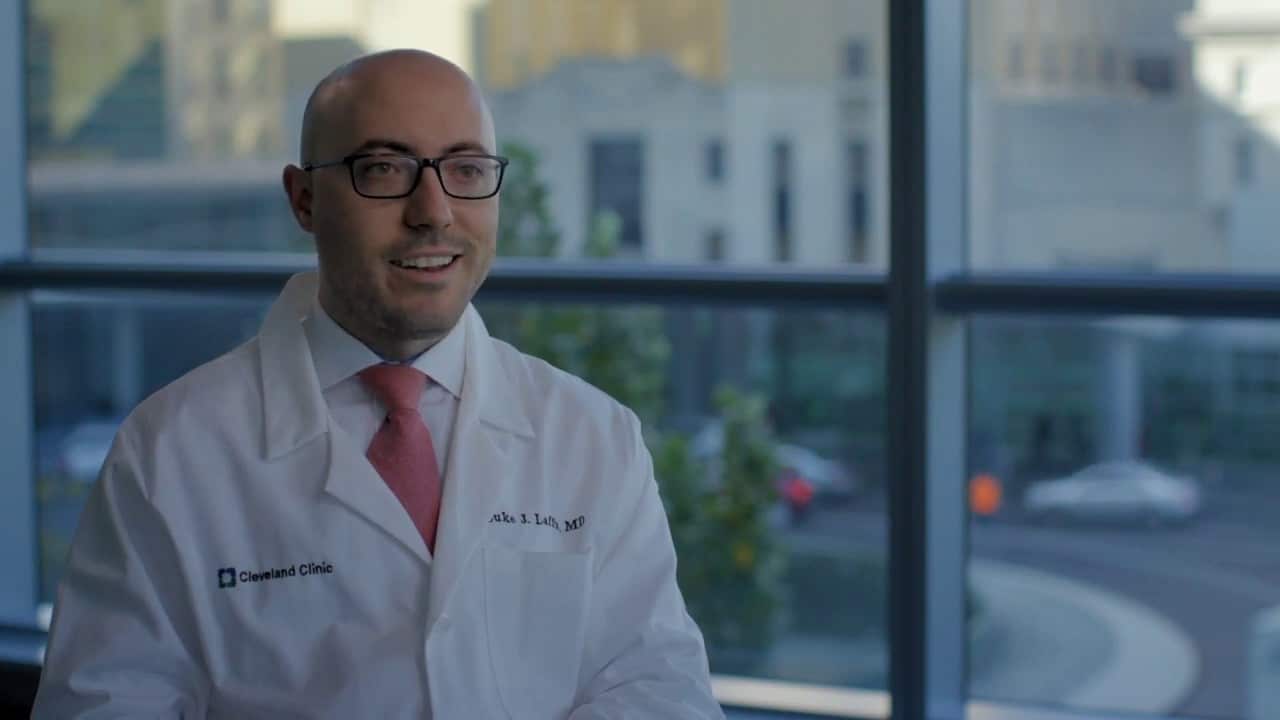
“If you are taking over-the-counter supplements for heart health or to lower cholesterol, you should reconsider the treatment,” said Dr. Luke Laffin, study author and co-director of the Center for Blood Pressure Disorders in Cleveland Clinic’s Heart, Vascular & Thoracic Institute. “Unfortunately, many US consumers believe that cholesterol health supplements are safer than prescription medications and believe supplements are as effective as, or more effective than, statins.”
The marketing of dietary supplements is regulated by the Dietary Supplement Health and Education Act of 1994 and overseen by the US Federal Trade Commission rather than the Food and Drug Administration. Supplements therefore do not need to meet the safety and efficacy standards required for marketing pharmaceutical products.
Elevated low-density lipoprotein (LDL), also known as “bad cholesterol”, is a major cause of coronary heart disease. LDL cholesterol causes fatty deposits to build up inside the arteries, reducing or blocking the flow of blood and oxygen the heart needs. This can lead to a heart attack or stroke. Many studies show that lowering LDL cholesterol reduces the risk of coronary heart disease.
In the single-centre, prospective, randomised clinical trial, researchers analysed health data from 190 adults aged 40 to 75 with no history of cardiovascular disease. Participants were randomly assigned to a low dose of the statin medication rosuvastatin (5 mg daily), placebo, fish oil, cinnamon, garlic, turmeric, plant sterols or red yeast rice. The primary endpoint was the percentage change in LDL cholesterol from baseline for rosuvastatin 5 mg daily compared with placebo and each supplement after 28 days.
The results showed that the percentage reduction in LDL cholesterol with rosuvastatin was greater than with all the supplements and placebo. None of the dietary supplements showed a significant decrease in LDL cholesterol compared with placebo. Rosuvastatin also had a beneficial impact on blood triglycerides and total cholesterol, which helps reduce cardiovascular risk.
The average reduction in LDL cholesterol after 28 days was 37.9% among participants taking the statin, while changes in LDL cholesterol levels among those taking any of the dietary supplements were similar to the placebo group. Participants in the statin group had an average 24% decrease in total cholesterol, while neither the placebo group nor any of the dietary supplements showed any benefit. Rosuvastatin produced a 19% decrease in blood triglycerides compared with placebo, but there was no difference in triglycerides for any of the dietary supplements.
Rates of adverse events were similar across all groups, although numerically higher among participants randomised to plant sterols or red yeast rice. In addition, no significant adverse changes were seen in liver function tests, estimated glomerular filtration rate or blood glucose with rosuvastatin.
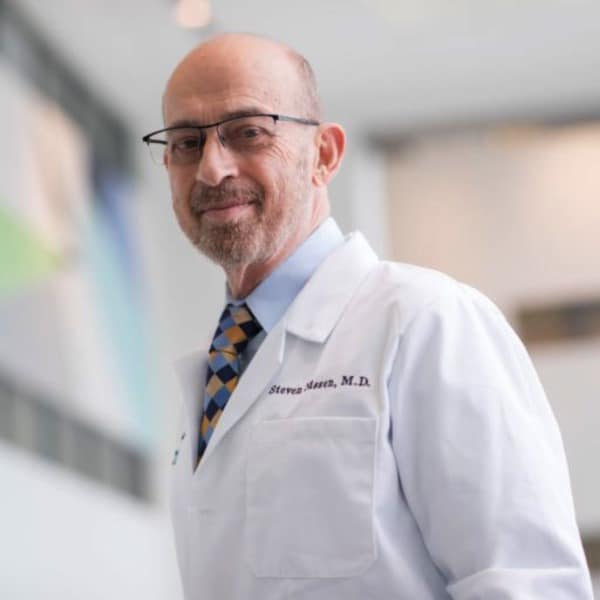
“Dietary supplement sales are estimated at almost $50 billion a year in the United States, and many supplements are marketed as natural alternatives for heart protection and cholesterol management,” said senior author Dr. Steven Nissen, Chief Academic Officer of Cleveland Clinic’s Heart, Vascular & Thoracic Institute. “For managing high cholesterol, supplements are often used by patients instead of statins, in the absence of high-quality data. This represents a major public health concern.”
The SPORT trial was funded by AstraZeneca through an unrestricted grant. Cleveland Clinic has full control over the study methodology, data analysis and discussion of clinical implications.
Dr. Laffin has served as a consultant or steering committee member for Medtronic, Eli Lilly, Mineralys Therapeutics and AstraZeneca. He is also an adviser to LucidAct Health and Gordy Health.
Dr. Nissen has been a consultant for many pharmaceutical companies and has overseen clinical trials for Amgen, AstraZeneca, Cerenis, Eli Lilly, Novartis, Novo Nordisk, The Medicines Company, Orexigen, Takeda and Pfizer. However, he does not accept honoraria, consulting fees or other compensation from commercial entities.

About Cleveland Clinic
Cleveland Clinic is a nonprofit multispecialty academic medical centre that integrates clinical and hospital care with research and education. Located in Cleveland, Ohio, it was founded in 1921 by four renowned physicians with a vision of providing outstanding patient care based on the principles of cooperation, compassion and innovation. Cleveland Clinic has pioneered many medical breakthroughs, including coronary artery bypass surgery and the first face transplant in the United States.
U.S. News & World Report consistently names Cleveland Clinic as one of the nation’s best hospitals in its annual “America’s Best Hospitals” survey. Among Cleveland Clinic’s 72,500 employees worldwide are more than 5,050 salaried physicians and researchers, and 17,800 registered nurses and advanced practice providers, representing 140 medical specialties and subspecialties. Cleveland Clinic is a 6,500-bed health system that includes a 173-acre main campus near downtown Cleveland, 21 hospitals, more than 220 outpatient facilities, and locations in northeast Ohio; southeast Florida; Las Vegas, Nevada; Toronto, Canada; Abu Dhabi, UAE; and London, England.
In 2021, there were 10.2 million outpatient visits, 304,000 hospital admissions and observations, and 259,000 surgeries across Cleveland Clinic’s health system. Patients came for treatment from every state and 185 countries.
Visit us at clevelandclinic.org. Follow us at twitter.com/ClevelandClinic. News and resources available at newsroom.clevelandclinic.org.
Find out more about AF Comunicación Estratégica and its clients
More stories
- Public Health, the Dental Association and ADTS drive medical and dental tourism
- Alejandro Cambiaso presents the Dominican Republic’s health tourism success story in Guatemala and calls for a stronger regional vision for Latin America
- ADTS and AF Comunicación announce the 8th International Health and Wellness Tourism Congress 2027
- Internal Communication as a strategic tool for organisational management