

Cleveland Clinic study reveals new ways the gut microbiome contributes to heart disease risk
4 minutes read
- This study substantially expands the potential links between our diet and how our gut microbiome acts as a filter, affecting our susceptibility to developing different diseases.
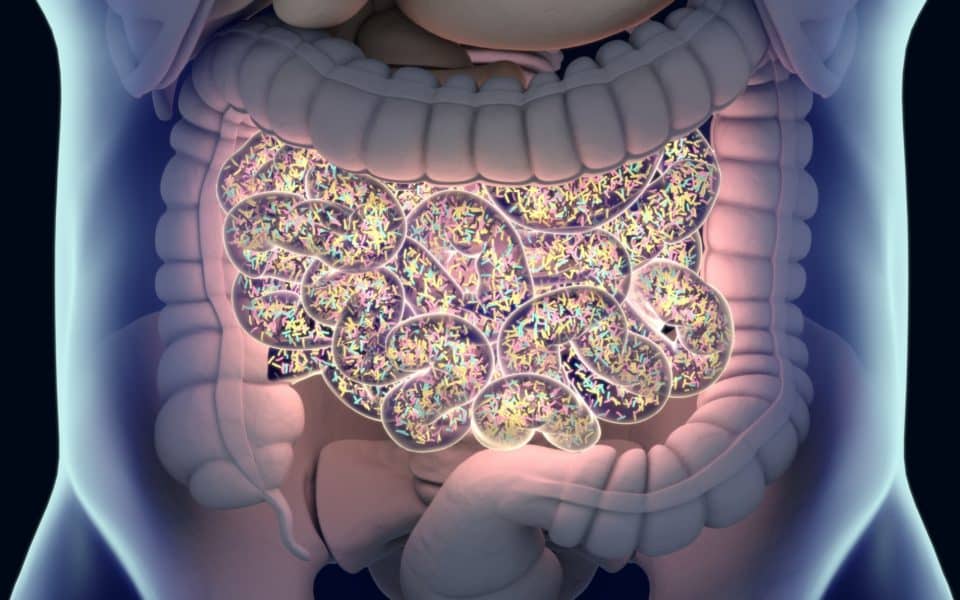
January 2023.- New research at Cleveland Clinic expands the link between what we eat and how the gut microbiome affects our susceptibility to developing different diseases – in this case, how a specific by-product generated by gut microbes is linked to heart failure risk.
Elevated levels of phenylacetylglutamine (PAG), a by-product created when microbes in the gut break down dietary protein, may be directly linked to a higher risk and severity of heart failure, according to findings published in Circulation: Heart Failure.
The new findings improve researchers’ understanding of how the gut microbiome, through PAG levels, is linked to heart disease risk, and suggest potential approaches for modifying PAG-associated risk through interventions such as diet and the use of beta blockers.
Elevated PAG levels were also shown to correspond with types of heart failure. For example, elevated blood PAG was seen in subjects with heart failure with preserved ejection fraction, a condition in which the heart muscle doesn’t relax enough between beats and becomes too stiff, making it less able to fill with and, in turn, pump blood.
“Measuring blood levels of PAG could provide remarkable value in predicting who is at risk of heart failure,” says Dr. Stanley Hazen, chair of the Department of Cardiovascular and Metabolic Sciences at the Lerner Research Institute. “The data build a strong case that making this test available to physicians would add to their arsenal of diagnostic tests for heart failure.”
A team led by Dr. Hazen, who also serves as co-section head of Preventive Cardiology, previously discovered the link between PAG and cardiovascular disease, including the risk of heart attack, stroke and death, in a 2020 study. In that study, PAG was shown to affect the function of adrenergic receptors on platelets, affecting functions such as blood clotting risk.
This new study delved into other potential roles of PAG with a focus on heart failure. The research team found that PAG levels were linked to heart failure risk through data from thousands of patients in two independent study cohorts, one from Europe and one from the United States. In further studies, introducing PAG to heart cells in the lab allowed researchers to better understand the mechanism behind PAG’s association with heart failure and a basis for counteracting its effects.
“This study substantially expands the potential links between our diet and how our gut microbiome acts as a filter of our diet, affecting our susceptibility to developing different diseases,” says Dr. Hazen. “In this case, gut microbes form a metabolite of the amino acid phenylalanine in dietary protein, which adversely affects the function of a beating heart muscle cell.”
Targeting PAG to address a critical health condition
Around 6.2 million American adults have heart failure, a condition in which the heart cannot pump enough blood and oxygen to meet the body’s needs. Existing treatments include lifestyle changes, such as reducing sodium, or medication.
“Despite the latest advances in drug and device therapies, heart failure remains one of the leading causes of death and hospital admissions in the United States and around the world,” says Wai Hong Wilson Tang, director of heart failure and transplant research in the Department of Cardiovascular Medicine at Cleveland Clinic and co-author of the paper. “These studies suggest it is worth exploring a better understanding of how we can modify PAG levels and reduce the risk of heart failure.”
In the initial PAG studies in 2020, Drs. Hazen, Tang and colleagues showed how PAG affects multiple adrenergic receptors on cells, including the beta-adrenergic receptor targeted by beta blockers. Those studies included evidence of using drugs such as carvedilol to counteract the effects of PAG.
One of the next steps Dr. Hazen’s team is focusing on is identifying the bacteria and their enzymes that help produce PAG and developing therapeutic approaches to lower PAG. Dietary interventions could also potentially help reduce risk, says Dr. Hazen.

About Cleveland Clinic
Cleveland Clinic is a nonprofit multispecialty academic medical centre that integrates clinical and hospital care with research and education. Located in Cleveland, Ohio, it was founded in 1921 by four renowned physicians with a vision of providing outstanding patient care based on the principles of cooperation, compassion and innovation. Cleveland Clinic has pioneered many medical breakthroughs, including coronary artery bypass surgery and the first face transplant in the United States.
U.S. News & World Report consistently names Cleveland Clinic as one of the nation’s best hospitals in its annual “America’s Best Hospitals” survey. Among Cleveland Clinic’s 72,500 employees worldwide are more than 5,050 salaried physicians and researchers, and 17,800 registered nurses and advanced practice providers, representing 140 medical specialties and subspecialties. Cleveland Clinic is a 6,500-bed health system that includes a 173-acre main campus near downtown Cleveland, 21 hospitals, more than 220 outpatient facilities, and locations in northeast Ohio; southeast Florida; Las Vegas, Nevada; Toronto, Canada; Abu Dhabi, UAE; and London, England.
In 2021, there were 10.2 million outpatient visits, 304,000 hospital admissions and observations, and 259,000 surgeries across Cleveland Clinic’s health system. Patients came for treatment from every state and 185 countries.
Visit us at clevelandclinic.org. Follow us at twitter.com/ClevelandClinic. News and resources available at newsroom.clevelandclinic.org.
Find out more about AF Comunicación Estratégica and its clients
More stories
- Public Health, the Dental Association and ADTS drive medical and dental tourism
- Alejandro Cambiaso presents the Dominican Republic’s health tourism success story in Guatemala and calls for a stronger regional vision for Latin America
- ADTS and AF Comunicación announce the 8th International Health and Wellness Tourism Congress 2027
- Internal Communication as a strategic tool for organisational management