Does your money last every month?
3 minutes read
- Making a budget, a written plan of income and expenses, is the simplest way to make your money last every month and manage your personal finances better.
The importance of a budget
Many people ask themselves the same question: will my money last? When the main question should be: how can I make what I have be enough? The answer can be simple – make a budget so you don’t fall short and have what you need. But for many it’s not that easy. To create a budget that works and helps you make it through to the end of each month, there are several points to consider.
A budget is simply a written plan of our expenses and income, designed to help us organise our spending each month. Using one, we can learn to manage ourselves better, both in our personal finances and in our business finances if we are entrepreneurs or have been running a business for a while, avoiding unnecessary debt.
The first step is to work out how much money we have. Once that’s clear, we’ll know the limit we can spend. This income can be your salary, an allowance, regular remittances from a relative, extra work or a hobby that earns you money. All sources should be included.
We should write down this income net of taxes or other deductions. That way we’ll know how much money we really have, so we can adjust our expenses better, work out how much we can save and avoid falling short each month, as well as know what we can count on in an emergency or unexpected situation.
The second step is to identify our expenses. We need to list them all, starting with fixed expenses – those we have month after month, such as university, mobile phone, fares or fuel, the electricity bill, telephone and rent, among others.
If some fixed expenses vary from month to month, it’s best to assign them an average figure. Then calculate the non-recurring ones that we can control in some way, such as clothes, trips to the cinema and eating out.
Third, it’s a good idea to add two small accounts: contingencies and savings. One is for emergency expenses and the other to build the habit of saving.
The money we put into these accounts doesn’t have to be much; it depends on how much we earn and what we think we would need in an emergency. Ideally, we should assign 5% of our monthly income to contingencies and at least 10% to savings.
If you’re an entrepreneur or run a business, you can apply this same budgeting approach by making a separate budget for your business; it’s not advisable to mix personal and business expenses.
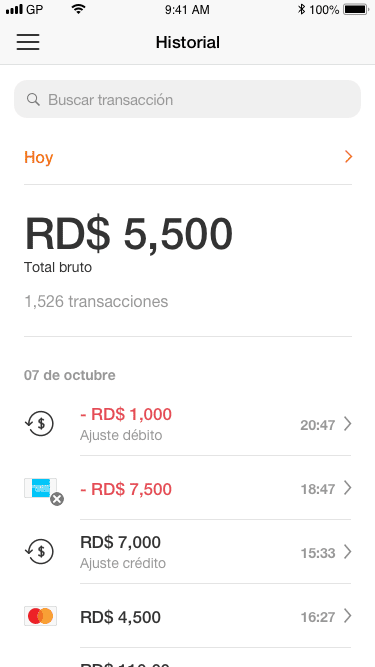
Once we’re clear on how much goes on fixed obligations, contingencies and savings, we need to choose the best way to stay within the budget. One way is to pay all fixed expenses first, put savings in one account and contingencies in another, and for variable spending, make use of technology and deposit these amounts on debit cards so we can make payments digitally.
We recommend visiting www.mio.com.do to find out about an offering that lets you make digital payments at different establishments, and if you run a business, lets you take payments quickly and securely.
About MIO
MIO is a digital platform whose purpose is to empower more than a million people and businesses to take ownership of their finances. With this app, people and businesses can sign up online simply and securely and start taking payments from their mobile phone or tablet, accepting credit and debit cards, among others, in person or remotely.
MIO provides simple payment and financial tools so the community can live to the full. For more information, visit www.mio.com.do
Find out more about AF Comunicación Estratégica and its clients
More stories
- Public Health, the Dental Association and ADTS drive medical and dental tourism
- Alejandro Cambiaso presents the Dominican Republic’s health tourism success story in Guatemala and calls for a stronger regional vision for Latin America
- ADTS and AF Comunicación announce the 8th International Health and Wellness Tourism Congress 2027
- Internal Communication as a strategic tool for organisational management