

Latin America and the Caribbean will need 2.5 million more ICT professionals over the next 5 years
4 minutes read
- At the first LAC ICT Talent Summit, co-organised by Huawei, UNESCO and EFE, leaders from the digital and education sectors stressed that growing the digital talent pool is the foundation of successful digital transformation.
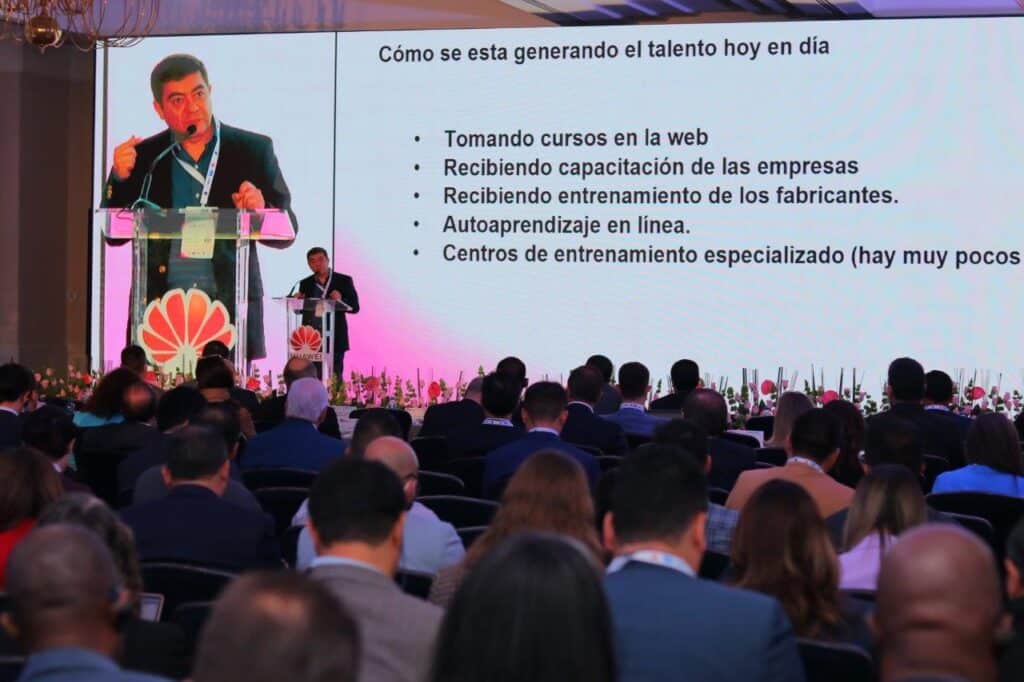
(Mexico City – November) Latin America and the Caribbean will need 2.5 million additional ICT-related professionals by 2026, an industry executive said at the LAC ICT Talent Summit, co-organised by Huawei, UNESCO and EFE, citing research by the international consultancy IDC.
There are an estimated 6.3 million professionals with digital skills to fill essential and emerging roles, according to data shared at the Summit.
The IDC report estimates that by 2026 there will be demand for 2.5 million additional ICT-related professionals, and that demand for new emerging roles focused on digital business will grow faster than for traditional IT jobs.
“We are seeing a rapidly digitalising economy, which means the digital sector not only represents but contributes to and transforms an ever-growing share of overall economic output, and digital talent is the foundation of the digital economy,” said Michael Xue, Vice President of Huawei for Latin America and the Caribbean.
Over two days of discussions, academics, policymakers, business leaders, university students and representatives of international organisations addressed topics such as the present and future of education and technology, digital transformation, the job market for ICT professionals and the challenges the region’s countries face in meeting demand for skilled staff and digital skills.
“The COVID-19 pandemic highlighted the urgent need to close the digital divide and make digital content, technology and connectivity available to all,” said Claudia Uribe, director of UNESCO’s OREALC.
By 2025, the economic impact of the global IT skills gap could reach US$1 trillion, up from the US$775 billion expected by the end of 2022. For Latin America, this impact could amount to almost US$50 billion by 2025, representing at least 1 per cent of regional GDP that year, the IDC report noted.
Guests at the summit forum said these figures would also mean challenges for the region’s countries in capturing growth and realising growth opportunities, and that the only way forward is for all stakeholders to work together to grow the digital talent pool and close digital talent gaps, both in the size of the pool and in skills.
Participants in the conference, which brought together around a hundred experts and 150 students, also discussed the interactions between different parts of the talent ecosystem. Universities and institutes are training our future workforce, and their infrastructure and capabilities will be strengthened through partnerships with the private sector. Companies are hiring people, so they know which specialisms are needed, and at the same time they are training the younger generation. Meanwhile, governments play a key role in promoting best practices and developing policy.
As a global ICT leader, Huawei is both an employer and a developer of one of the world’s largest ICT talent pools. The company has 197,000 employees worldwide, more than half of them in Research and Development.
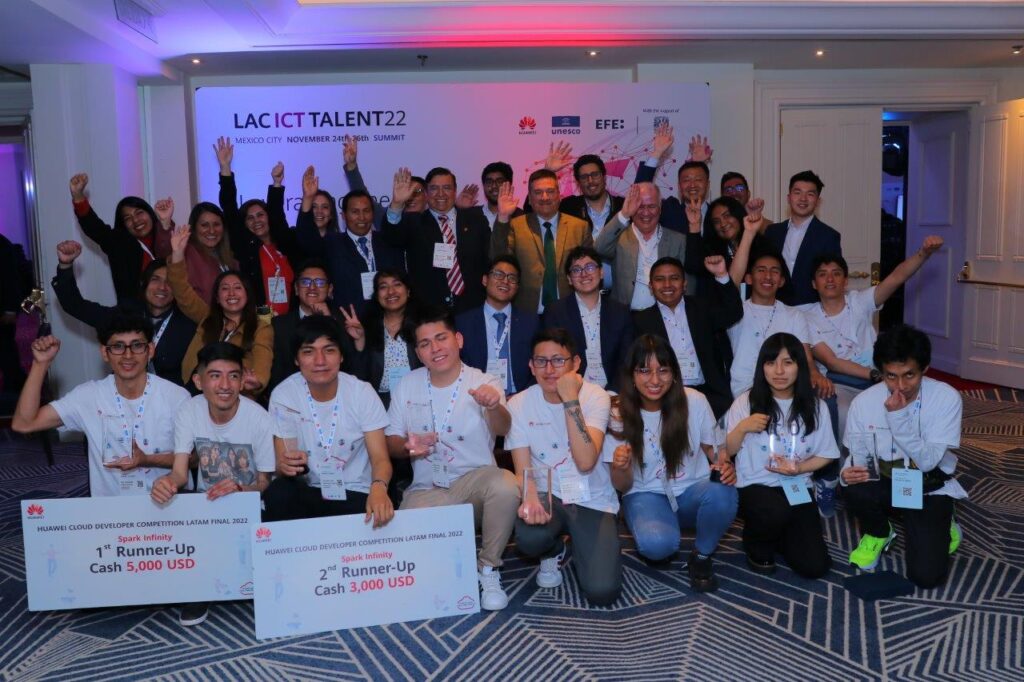
The company has launched several talent initiatives worldwide. In Latin America and the Caribbean, Huawei has helped train 50,000 talents in recent years. Since 2014 it has run its flagship Seeds for the Future programme in the region, offering some 1,800 scholarships for students to receive intensive training and visit the company’s headquarters in Shenzhen, southern China. It has also partnered with around 400 universities offering training through the Huawei ICT Academy programme. Many students from the region have also taken part in the Huawei ICT Global Competition.
“We are committed to growing the digital talent pool in the region, and we believe in being in Latin America and the Caribbean for Latin America and the Caribbean,” said Zhou Danjin, President of Huawei Latin America. “I believe we will have a role to play in growing the regional digital talent pool. For our part, through our various programmes and initiatives, we can give younger generations much-needed exposure to trends and technologies such as Cloud, AI, IoT and Data Science.”
The LAC ICT Talent Summit, co-organised by Huawei, OREALC and EFE, aims to be a multilateral platform to drive joint efforts in Latin America and the Caribbean to grow the regional digital talent pool in response to the demand created by increasingly rapid digital transformation.

About Huawei
Founded in 1987, Huawei is a leading global provider of information and communications technology (ICT) infrastructure and smart devices. We have approximately 197,000 employees and operate in over 170 countries and regions, serving more than three billion people around the world.
Our vision and mission is to bring digital to every person, home and organisation for a fully connected, intelligent world. To this end, we will drive ubiquitous connectivity and promote equal access to networks; bring cloud and artificial intelligence to all four corners of the earth to provide superior computing power where you need it, when you need it; build digital platforms to help all industries and organisations become more agile, efficient and dynamic; and redefine user experience with AI, making it more personalised for people in all aspects of their life, whether they’re at home, in the office or on the go.
Find out more about AF Comunicación Estratégica and its clients
More stories
- Public Health, the Dental Association and ADTS drive medical and dental tourism
- Alejandro Cambiaso presents the Dominican Republic’s health tourism success story in Guatemala and calls for a stronger regional vision for Latin America
- ADTS and AF Comunicación announce the 8th International Health and Wellness Tourism Congress 2027
- Internal Communication as a strategic tool for organisational management