
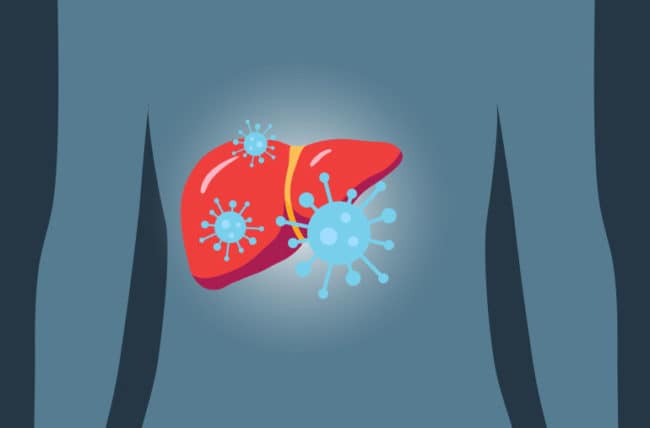
Screening and vaccines highlighted as key in the fight against hepatitis viruses
5 minutes read
- To mark World Hepatitis Day (28 July), specialists say that eradicating hepatitis B requires vaccination, interruption of mother-to-child transmission and, for those who are infected, suppression of the virus with medication. Eradicating hepatitis C requires everyone to be screened and those who are infected to be treated.
July 2023: Hepatitis viruses are the seventh leading cause of death worldwide, so it is important for everyone to be screened (an active, systematic search) for hepatitis C at least once in their lives and to be vaccinated against hepatitis A and B, says Dr. William Carey of the global health system Cleveland Clinic, to mark World Hepatitis Day (28 July).
Hepatitis refers to inflammation of the liver. Numerous viruses can cause hepatitis, and the five most commonly involved are named A to E. According to the World Health Organization, which has set the global goal of eliminating viral hepatitis as a public health problem by 2030, there are more than one million hepatitis-related deaths every year and a new chronic infection every 10 seconds. Of greatest concern are the bloodborne hepatitis B and C, which together are the most common cause of liver cirrhosis, liver cancer and viral hepatitis-related deaths.
“Hepatitis B and C share several similar features, but there are also some important differences,” says physician and professor of medicine William Carey, MD, interim head of Cleveland Clinic’s Section of Hepatology.

Dr. Carey explains: “In terms of similarities, both viruses are stealthy, meaning that most of the time there are no symptoms at the time of infection. This is especially true of hepatitis C. In a small percentage of hepatitis B cases, there may be relatively mild symptoms such as fatigue. In adult-acquired hepatitis B, there can be more severe illness, including jaundice and even liver failure.”
Because of this absence of symptoms in most cases, according to Dr. Carey, many patients carry the virus for years, even decades, before it is discovered when they report symptoms of liver damage, sometimes at an advanced stage.
“One important difference between hepatitis B and C is that there is a highly effective vaccine to prevent hepatitis B and none for hepatitis C,” says Dr. Carey. “In addition, hepatitis C can be completely cured, whereas the hepatitis B virus can only be suppressed. Suppressing hepatitis B is enough to prevent further liver damage or transmission to others, but because the virus remains dormant in liver cells, it can reactivate under certain conditions, such as when taking some medications that weaken certain parts of the immune system.”
The specialist adds: “The vast majority of hepatitis B infections occur at birth, transmitted from mother to child. Fortunately, most countries now have programmes to identify pregnant women infected with hepatitis B and highly effective immunisation strategies to prevent mother-to-child transmission. Mothers with a very high viral load will be given medication to reduce it, which further lowers the likelihood of the baby becoming infected.”
Summing up the strategies for reaching the World Health Organization’s 2030 goal, Dr. Carey says: “To eradicate hepatitis B, we need a three-pronged strategy, namely vaccination, interruption of mother-to-child transmission and, for those who are infected, suppression of the virus with medication. To eradicate hepatitis C, we need everyone to be screened and those who are infected to be treated.”
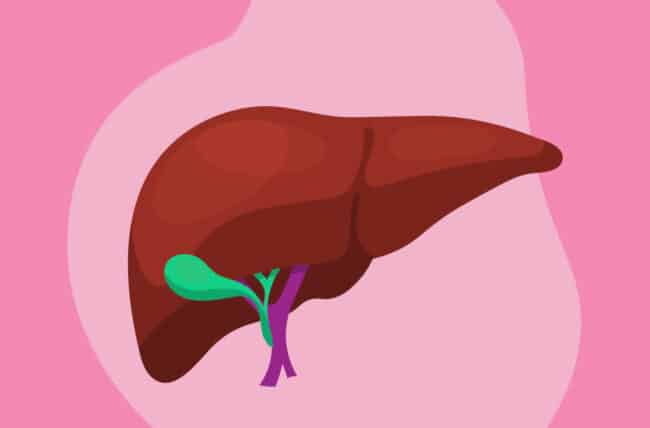
On that last point, Dr. Carey says World Hepatitis Day is an opportunity to raise awareness that there is now an extremely safe and effective treatment for hepatitis C. “Although relatively expensive, the treatment has no significant side effects and works for all hepatitis C genotypes found around the world. Given these circumstances, everyone should be screened at least once in their lives so that infections can be treated immediately, quickly halting the liver damage caused by the virus.”
Additional precautions
Because hepatitis B and C are transmitted through bodily fluids, especially blood, Dr. Carey advises healthcare workers and people who engage in behaviours that increase their risk of infection to talk to their doctor about the need for regular screening.
If people test positive for viral hepatitis, they will need their liver assessed for damage, which can be done with simple blood tests and non-invasive tests to assess the amount of liver fibrosis or scarring, Dr. Carey explains. If liver damage such as cirrhosis is found, it will need to be treated, and patients will also need regular screening for liver cancer. “Interestingly, in many cases, when people who have developed cirrhosis are treated for hepatitis, their cirrhosis also goes away, although the increased risk of liver cancer remains,” notes Dr. Carey.

About Cleveland Clinic
Cleveland Clinic is a nonprofit multispecialty academic medical centre that integrates clinical and hospital care with research and education. Located in Cleveland, Ohio, it was founded in 1921 by four renowned physicians with a vision of providing outstanding patient care based on the principles of cooperation, compassion and innovation. Cleveland Clinic has pioneered many medical breakthroughs, including coronary artery bypass surgery and the first face transplant in the United States.
U.S. News & World Report consistently names Cleveland Clinic as one of the nation’s best hospitals in its annual “America’s Best Hospitals” survey. Among Cleveland Clinic’s 72,500 employees worldwide are more than 5,050 salaried physicians and researchers, and 17,800 registered nurses and advanced practice providers, representing 140 medical specialties and subspecialties. Cleveland Clinic is a 6,500-bed health system that includes a 173-acre main campus near downtown Cleveland, 21 hospitals, more than 220 outpatient facilities, and locations in northeast Ohio; southeast Florida; Las Vegas, Nevada; Toronto, Canada; Abu Dhabi, UAE; and London, England.
In 2021, there were 10.2 million outpatient visits, 304,000 hospital admissions and observations, and 259,000 surgeries across Cleveland Clinic’s health system. Patients came for treatment from every state and 185 countries.
Visit us at clevelandclinic.org. Follow us at twitter.com/ClevelandClinic. News and resources available at newsroom.clevelandclinic.org.
Find out more about AF Comunicación Estratégica and its clients
More stories
- Public Health, the Dental Association and ADTS drive medical and dental tourism
- Alejandro Cambiaso presents the Dominican Republic’s health tourism success story in Guatemala and calls for a stronger regional vision for Latin America
- ADTS and AF Comunicación announce the 8th International Health and Wellness Tourism Congress 2027
- Internal Communication as a strategic tool for organisational management