
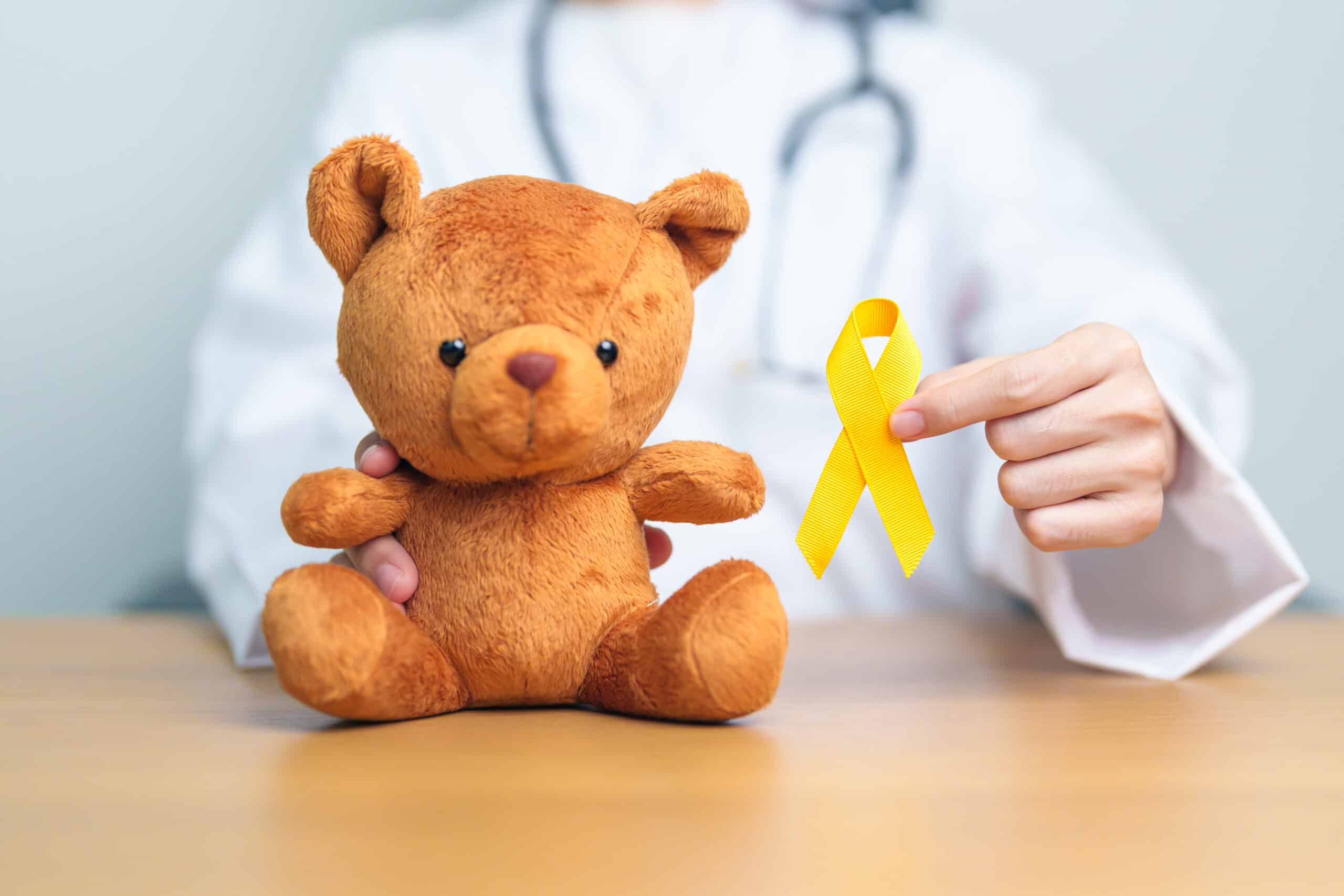
Childhood cancer remains one of the leading causes of death in children
2 minutes read
The survival rate for children diagnosed with cancer varies by type, but in many cases the figures are quite encouraging.
Santo Domingo. Childhood cancer remains one of the leading causes of death from disease in children, so early detection and appropriate treatment are essential to improve survival rates, says Dr. Máxima Pichardo, a paediatric haemato-oncologist at IntraCare Center.
The specialist explains that symptoms can vary depending on the type of cancer, but some common signs could indicate its presence, such as persistent fatigue and unexplained weight loss, as well as pain, lumps or swelling, fever, recurrent infections or changes in health habits.
“The risk factors for childhood cancer are varied and, in many cases, still not fully understood. Some of the factors associated with a higher risk are genetics, exposure to radiation and certain chemicals, as well as immunosuppression, environmental factors, age and sex,” she explains.
The incidence of childhood cancer varies by region, but overall it is estimated that approximately 274,000 cases of cancer are diagnosed in children and adolescents aged 0 to 19 worldwide each year. This is equivalent to a rate of around 14 to 15 cases per 100,000 children. In Latin America and the Caribbean, the figure is estimated at around 30,000 children and adolescents under 19.
However, the chances of curing childhood cancer have improved significantly in recent decades thanks to advances in research and treatment. The survival rate for children diagnosed with cancer usually varies by type of disease, but in many cases the figures are quite encouraging.
Statistics
Acute lymphoblastic leukaemia (ALL) is the most common type in children and has a five-year survival rate of more than 85%. Survival for central nervous system tumours depends on the type and location of the tumour, but in some cases can reach 75%.
Hodgkin lymphomas have survival rates above 90%, while non-Hodgkin lymphomas also show good results, with rates of around 80%.
Tumours such as neuroblastoma and Ewing sarcoma have variable cure rates, but these can exceed 70% in early stages.
Overall, childhood cancer has better cure rates than many types of adult cancer. However, it is important to bear in mind that the prognosis depends on many factors, including the type of cancer, the stage at which it is diagnosed, the child’s age and the response to treatment. Appropriate medical care and ongoing follow-up are essential to maximise the chances of a cure.
IntraCare Center
IntraCare Center is a day hospital specialising in oncology services, palliative care, and outpatient and home chemotherapy, as well as the distribution of cytostatic drugs. Its staff are committed to improving the quality of life of adult and paediatric cancer patients through innovative equipment and technology systems that operate to the highest standards of quality and biosafety.
More stories
- Multidisciplinary care: a centralised model that speeds up the early detection of cancer
- TransUnion expands Juan Camilo Badel’s remit to strengthen its growth strategy in Central America, the Dominican Republic and Mexico TSI
- Cleveland Clinic is the first centre in Ohio to perform a nipple-sparing robotic mastectomy
- DiDi boosts connections with the Metro and Cable Car of Santo Domingo