

Five tips to protect your heart health
3 minutes read
- On World Heart Day, specialists share five tips for preventing cardiovascular disease, the leading cause of death worldwide.
Every 29 September is World Heart Day, a date to raise awareness of cardiovascular disease, recognise its symptoms, and prevent and overcome it.
This year, the central theme of World Heart Day focuses on “heart heroes”: people from all walks of life who are keeping the promise they made – to their family, their children, as an employee or as a health professional – to live more healthily and protect their heart.
According to the World Heart Federation (the organisation that created this awareness day in 2000), cardiovascular disease is the leading cause of death today, claiming almost 18 million lives each year, a third of all deaths on the planet and half of all deaths from non-communicable diseases. By making just a few small changes in our lives, we can reduce our risk of heart disease and stroke.
Thanks to advances and innovations in medicine and technology, and the dedication of doctors and specialists around the world, there are tools to help people suffering from heart complications or disease. Even so, the first step towards a healthy heart is up to each of us. Cleveland Clinic, the US health institution recognised for its excellence in cardiology and heart surgery for more than 25 years, offers these tips:
Eat healthy fats. 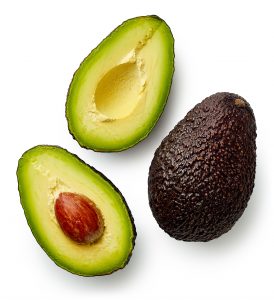 We need fats in our diet, but it is important to avoid trans fats, which are often used in packaged baked goods, snacks, margarines and fried fast food to add flavour and texture. These fats increase the risk of developing heart disease or having a stroke, because trans fats clog the arteries by raising levels of bad cholesterol (LDL) and lowering levels of good cholesterol (HDL). Cutting them out of your diet improves blood flow throughout the body.
Practise good dental hygiene.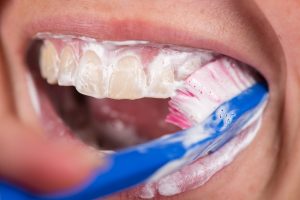 Dental health is a good indicator of overall health, including the heart, because people with periodontal (gum) disease often have the same risk factors for heart disease. Studies have shown that bacteria in the mouth involved in the development of gum disease can enter the bloodstream and raise C-reactive protein, which causes inflammation in the blood vessels. These changes can in turn increase the risk of heart disease and stroke.
Get enough sleep. Sleep is essential for keeping the heart healthy. If you don’t get enough sleep, you may be at greater risk of cardiovascular disease, regardless of your age or other health habits. Researchers believe that too little sleep disrupts underlying health conditions and biological processes, including blood pressure and inflammation.
Don’t stay seated for long periods at a time. Experts say it is important to move throughout the day. Park your car further from the office, take a few shorter walks during the day and/or use a standing desk so you can move up and down. And remember to exercise on most days. In addition, sitting for long periods (especially when travelling) increases the risk of deep vein thrombosis (a blood clot).
Avoid second-hand smoke.  Studies show that the risk of developing heart disease is about 25 to 30 per cent higher for people exposed to second-hand smoke at home or at work. According to the American Heart Association, exposure to tobacco smoke contributes to about 34,000 premature deaths from heart disease and 7,300 deaths from lung cancer each year. Non-smokers with high blood pressure or high cholesterol are at even greater risk of developing heart disease when exposed to second-hand smoke. This is because the chemicals released in cigarette smoke promote the build-up of plaque in the arteries.
More stories
- Multidisciplinary care: a centralised model that speeds up the early detection of cancer
- TransUnion expands Juan Camilo Badel’s remit to strengthen its growth strategy in Central America, the Dominican Republic and Mexico TSI
- Cleveland Clinic is the first centre in Ohio to perform a nipple-sparing robotic mastectomy
- DiDi boosts connections with the Metro and Cable Car of Santo Domingo