
Damp in the home: how it affects health and what to do
3 minutes read
- Dr Alejandro Cambiaso, of Médico Express, explains that damp in the home encourages mould and mites, which can cause allergies and make asthma and COPD worse.
Santo Domingo – Rain can be comforting, but it also raises the humidity in our homes which, beyond being a cosmetic nuisance, can have serious effects on our health.
According to the World Health Organization (WHO), high levels of indoor humidity encourage the growth of mould, dust mites and bacteria, which can increase the risk of respiratory disease.
Dr Alejandro Cambiaso, a specialist in family medicine and executive president of Médico Express, explains that mould is released in the form of spores, which can trigger respiratory allergies such as sneezing and nasal congestion.
The doctor, an expert in prevention, quality and safety, warns that prolonged exposure can cause irritation of the airways, eyes and skin, as well as affecting the immune system.
People with chronic respiratory diseases, such as asthma or chronic obstructive pulmonary disease (COPD), may see an increase in the frequency and severity of their attacks.
The most vulnerable areas of the home
In the home, the areas most likely to accumulate damp are those with poor ventilation. This includes bathrooms and kitchens, where water vapour is common, as well as basements and attics, which often have water leaks.
Walls with leaks or seepage are also a focus for mould growth, as are carpets and upholstered furniture, which can retain moisture if they are not dried properly.
Who is most vulnerable?
Certain groups are more susceptible to the effects of damp and mould. “Children, older adults and people with chronic respiratory diseases are more vulnerable to the adverse effects of exposure to mould, especially if they already have respiratory problems or allergies”, says Cambiaso.
In addition, people with compromised immune systems, such as patients with cancer or HIV, are also at greater risk of serious lung infections because of mould.
Symptoms to watch for
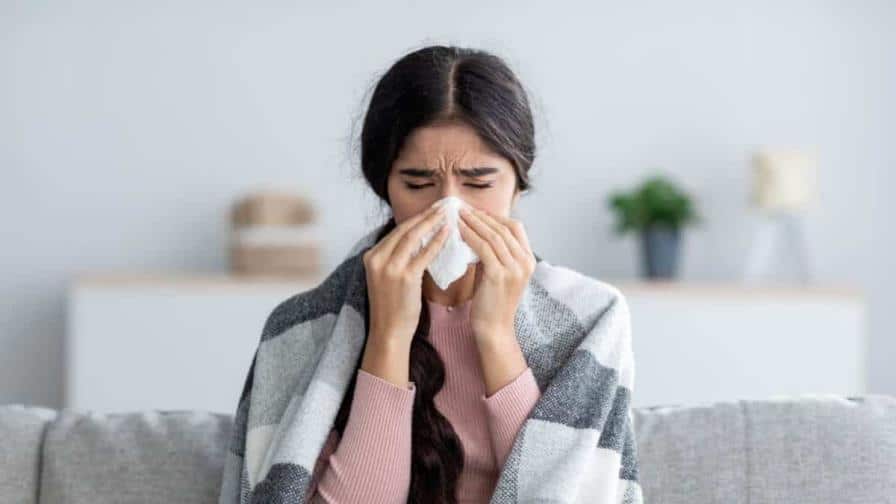
While the symptoms that appear after exposure to mould can vary, some of the most common include nasal congestion, sneezing, a persistent cough, eye irritation and difficulty breathing.
People with asthma or lung disease may experience a worsening of their symptoms, while those exposed for long periods may develop fatigue and headaches.
Preventive measures
Cambiaso stresses that prevention is key to avoiding respiratory problems and other complications associated with damp. According to the WHO and the Environmental Protection Agency (EPA), there are several preventive measures that can be taken to reduce damp and mould in the home:
- Control humidity: Keep relative humidity below 50% using dehumidifiers or air conditioning. Air conditioning ducts need to be disinfected and cleaned regularly.
- Adequate ventilation: Open windows and use extractor fans in bathrooms and kitchens to reduce the build-up of steam.
- Repair leaks: Fix leaks in roofs and pipes to prevent water building up.
- Regular cleaning: Disinfect surfaces with vinegar, bicarbonate of soda or antifungal products. Cambiaso stresses that, when mould is found, it is important to have the support of professionals certified in mould remediation.
- Avoid piles of damp objects: Do not leave wet towels, clothes or rugs lying around for long.
- Use air purifiers with HEPA filtration technology: This can help reduce the concentration of mould spores in the air. It is likewise important to consider using air filters in homes or workplaces capable of trapping fungal spores with a MERV 8 efficiency or higher.
Preventive medical check-ups
As well as managing the environment, it is key to have regular medical check-ups with health professionals, such as family doctors, respiratory specialists and allergists. This is essential for detecting risk factors and treating possible problems before they get worse.
“Prevention is key to avoiding respiratory problems and other health complications related to damp and mould. Preventive medical check-ups can help provide timely, personalised treatment”, the doctor concludes.
More stories
- Multidisciplinary care: a centralised model that speeds up the early detection of cancer
- TransUnion expands Juan Camilo Badel’s remit to strengthen its growth strategy in Central America, the Dominican Republic and Mexico TSI
- Cleveland Clinic is the first centre in Ohio to perform a nipple-sparing robotic mastectomy
- DiDi boosts connections with the Metro and Cable Car of Santo Domingo