
Patient quality and safety: key factors in health centre care
4 minutes read
- Placing patients at the centre of care and support activities must be reflected at every level of a centre’s service delivery.
Santo Domingo: – Patient Quality and Safety standards in a healthcare organisation are the foundation for developing and implementing a quality management system, which includes indicators and other management tools that ensure consistent, patient-centred practice based on evidence and experience, according to the Diabetes, Obesity and Specialties Medical Centre (CEMDOE).
Standards are understood as the definition of an expected level of clinical care service delivery, drawn from good practice and lessons learned across the market and adopted by those who apply the standard in their own setting.
For CEMDOE, providing the highest possible standard of healthcare is vitally important, with a focus on quality as a pillar of its service strategy.
CEMDOE has programmes, plans and policies aimed at ensuring a safe care environment for patients, their families and healthcare workers, with medical protocols meeting the highest national standards, endorsed by the Ministry of Public Health of the Dominican Republic, and a comprehensive Quality and Safety management system based on international standards endorsed by Joint Commission International.
Around 17 September, World Patient Safety Day, the World Health Organization is seeking this year to empower patients and families to take an active part in the safe use of medicines, under the slogan Medication Without Harm.
Successfully implementing a quality and safety programme in the health system brings benefits for patients and their families including, but not limited to, dignified treatment, appropriate treatments and resolution of health problems through scientifically and medically appropriate quality services. It also improves and increases the availability of health services and of specific programmes serving the community, families and individuals, in line with the current health profile and priorities.
Players in the health system value chain also benefit: resources are used efficiently, avoiding waste that burdens the system with unnecessary costs; positive feedback helps define good practices to improve national and international standards; and quality levels rise among other providers.
It also encourages the generation of information and precedent for more assertive management decisions, and increases the trust of doctors and other health professionals in the organisation, as they see it as an ally in ensuring positive results and outcomes for their patients, families and insurers.
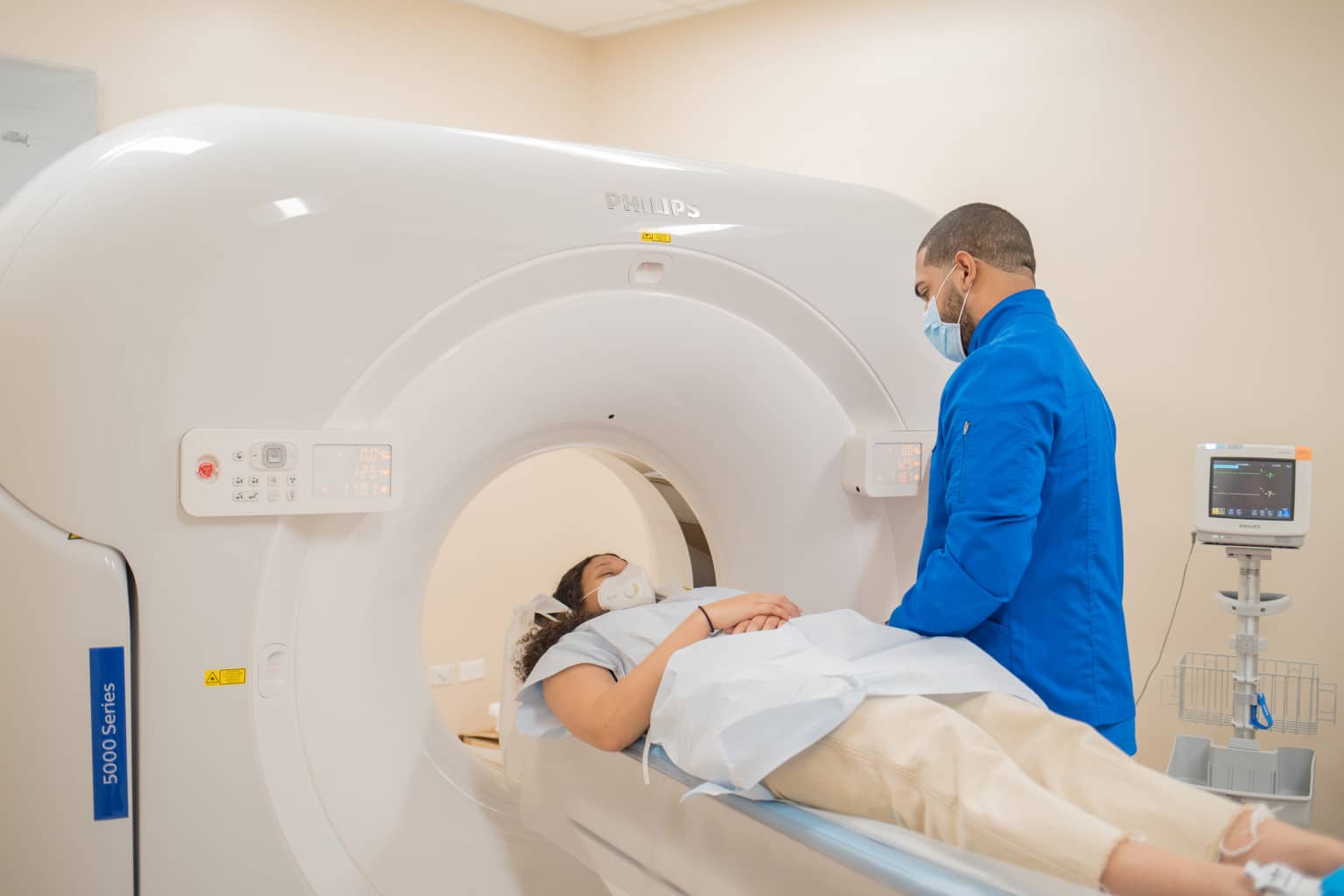
Placing patients at the centre of care and support activities must be reflected at all three levels of a centre’s service delivery, as is the case at CEMDOE: physically, in facilities, infrastructure and equipment; procedurally, from the patient’s journey through the centre to every support process; and in management and culture, which focus on minimising the risks of healthcare.
Ongoing, patient-centred management must be comprehensive and the starting point for defining any service. Doing so from the outset ensures alignment and consistency across these levels; failing to do so will result in inconsistencies or operational defects.
Any process or service that has not been designed with standards that meet patients’ needs and expected quality levels comes at a price, known as the cost of poor quality. “That is why, in practical and even economic terms, efforts must be made to develop practices that ensure excellence in the services provided from the very beginning.
Indicators
The main indicators for ensuring safe, quality patient care, which correspond to the six International Patient Safety Goals, include: correct patient identification, effective communication between the healthcare team, patients and families, safe administration of high-alert medications, safe surgery, reducing the risk of healthcare-associated infections and reducing the risk of harm from falls.
CEMDOE provides medical services based on clinical practice guidelines, which in turn are built on the best practices of each specialty, defined and ensured through the quality management system.
We live a culture that promotes patient safety as the pillar of the care we provide, organising care around patients rather than those who provide it. Overall, the CEMDOE team practises care free from avoidable harm, developing systems and processes aimed at reducing the likelihood of system failures and human error, increasing the likelihood of detecting them when they occur and mitigating their consequences.”
CEMDOE relies on continuous improvement methodologies to plan, monitor, evaluate and measure results, always aiming for the highest levels of quality and safety, together with preventive maintenance plans for biomedical equipment to help keep it working properly.

About CEMDOE
An outpatient medical centre specialising in chronic diseases that offers a comprehensive care model focused on the safety, quality and experience of patients and their families, supported by international processes, standards and policies that ensure the success of its purpose.
CEMDOE is part of INTEGRA, the Dominican Republic’s first health ecosystem, which aims to improve the population’s health in a sustainable way.
Find out more about AF Comunicación Estratégica and its clients
More stories
- Public Health, the Dental Association and ADTS drive medical and dental tourism
- Alejandro Cambiaso presents the Dominican Republic’s health tourism success story in Guatemala and calls for a stronger regional vision for Latin America
- ADTS and AF Comunicación announce the 8th International Health and Wellness Tourism Congress 2027
- Internal Communication as a strategic tool for organisational management