
Remote patient monitoring at home: an advantage of digitalisation
3 minutes read
- Digital therapies are the new trend for treating certain health conditions with the help of artificial intelligence, playing a key role in prevention in primary care.
SANTO DOMINGO: – The World Health Organization (WHO) revealed in its latest report that more than a billion people who lack healthcare at that level will benefit from digital health. It also proposed removing friction from the system and making the focus on patient care more effective.
Digital health means using technology to generate clear, concise information in order to treat or prevent a disease, according to Fedor Vidal, an expert in health sector technology.
He explained that the most important element in implementing digital health is the electronic record, or electronic health record, which is essentially a compendium of information about the patient and their illness; through interoperability, it can be kept up to date across all players in the sector wherever they are, even in another country.
“Interoperability is more than connecting information through communication protocols. Thanks to it, we can also highlight another advantage, such as remote management of patients at home, especially those with comorbidities that can be treated at home, but with monitoring,” explains the specialist.
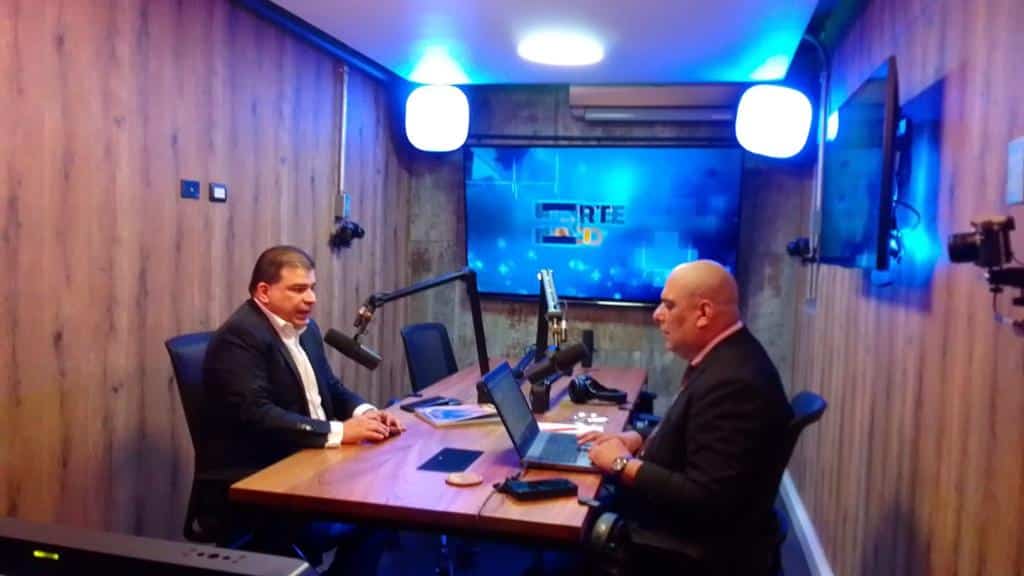
Speaking on Alberto Fonseca’s Reporte Médico, the CEO of Arium Salud Digital said this monitoring system benefits patients with chronic diseases such as diabetes, hypertension, heart and kidney disease, as well as those who require ongoing dialysis treatment. This method of surveillance also provides data such as vital signs and medication adherence, among other relevant information.
Thanks to monitoring, several specialists in different areas can view the medical record, act quickly and prevent any kind of decompensation through timely and effective action. The results can also be used, for example, for a data-based second opinion.
For example, a neurosurgeon in the capital with a patient in a province can view their exact electronic record, review their lab results and see through real-time monitoring how their vital signs are or how their heart is beating, Vidal describes.
This means patients do not have to travel to the city unless it is for a special procedure, and it also reduces the percentage of patients admitted to medical centres.
It also helps reduce existing costs, improves access to healthcare, optimises the efficiency of medical staff, increases caregivers’ connectivity and involvement, and improves the patient experience and satisfaction as well as the doctor-patient relationship.
From the standpoint of prevention worldwide, thanks to digital health combined with artificial intelligence, there has been a significant increase in primary care following the correct protocols. Having data is essential for activating public policies, and with it, it is possible to analyse at population level which diseases the population is being exposed to.
He noted that for people in specific cities or localities who tend to be prediabetic, to name one condition, information, analysis and electronic records make it possible to assess whether they might become diabetic, then hypertensive, quickly develop kidney failure and require a transplant or dialysis.
Ultimately, the aim is to prevent through structured clinical information and approved electronic protocols, and to have digital therapies. This new trend of delivering healthcare through artificial intelligence helps carry out interventions in very specific populations to avoid high costs and, ultimately, anticipate a possible deterioration in the patient’s health.
Vidal stresses that doctors, nurses, radiologists, lab technicians and the entire human team are the most important assets, and digitalisation will never replace their intelligence or sacrifice. “What it does is make processes more efficient so they can save more lives and spend more time with their patients.”

Arium Salud Digital
A company that provides digital services and tools to transform how existing processes are managed in the health sector through interconnected systems, while facilitating interaction between the different players in the market and providing technological solutions for their effectiveness. Arium Salud Digital’s mission is to provide a digital health ecosystem that interconnects all the key players in the sector, with the aim of improving people’s quality of life through efficient and secure solutions based on state-of-the-art technology.
Find out more about AF Comunicación Estratégica and its clients
More stories
- Public Health, the Dental Association and ADTS drive medical and dental tourism
- Alejandro Cambiaso presents the Dominican Republic’s health tourism success story in Guatemala and calls for a stronger regional vision for Latin America
- ADTS and AF Comunicación announce the 8th International Health and Wellness Tourism Congress 2027
- Internal Communication as a strategic tool for organisational management