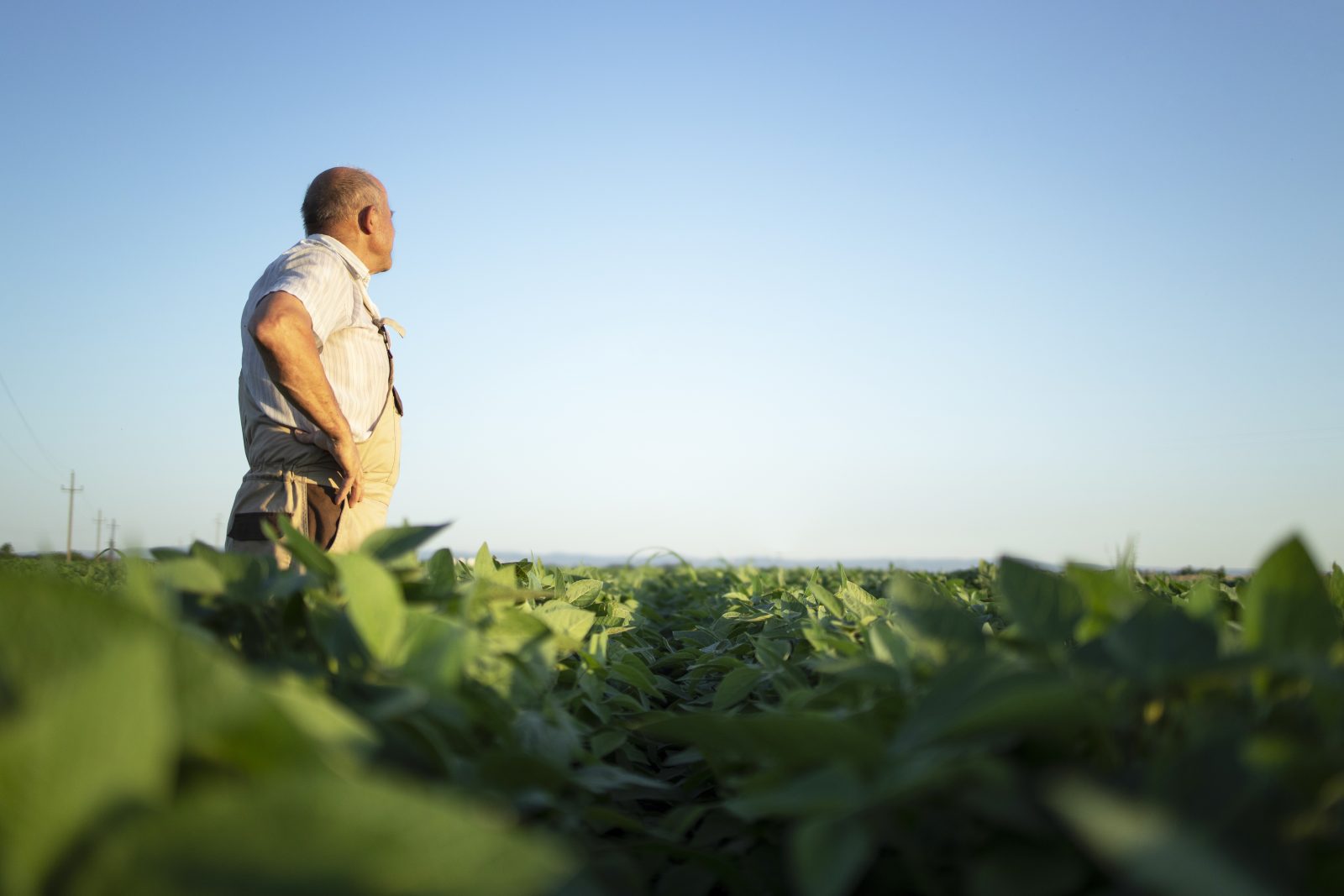
Sustainable soybean field, a key input for feeding chickens, pigs and fish
4 minutes read
- Soy is the invisible ingredient behind the chicken, pork and fish eaten in the country: it can make up 30% of a bird’s diet and 35% of a pig’s.
- U.S. soy now uses irrigation water 60% more efficiently and emits 43% less than in 1980, verified by more than 20,000 audits a year.
- By 2030 the sector aims to cut soil erosion by 25% and total emissions by 5%.
Santo Domingo, October 2026. Growing demand for animal protein is pushing the poultry, pork and aquaculture industries to strengthen their use of raw materials that combine nutrition, productivity and sustainability. In that context, sustainable U.S. soy is consolidating its position as one of the main inputs for feeding chickens, pigs and fish, backed by environmental gains that over the past four decades have improved the use of resources such as water, land and energy by up to 60%.
Behind a chicken breast, a serving of pork or a fish fillet lies an ingredient that is essential to the food chain and rarely reaches the end consumer: soy. Used as one of the main sources of protein in animal nutrition, sustainable soy is regarded as a strategic input for the poultry, pork and aquaculture industries of the Dominican Republic, combining nutritional value, productive efficiency and verifiable environmental standards.
This sustainable production is backed by the U.S. Soy Sustainability Assurance Protocol (SSAP), a system that verifies farming practices through independent audits and holds international recognition. Each year, more than 20,000 audits check compliance with the sustainability standards applied by U.S. producers.
“Feed companies in poultry, pork and aquaculture choose sustainable U.S. soy because it reduces the environmental footprint of their supply chain and improves the nutrition of their products. And 94% of the farmers who grow it belong to families that have worked the same land for generations,” said Luis Bustamante, sustainability lead for Latin America at USSEC.
A key ingredient for animal protein production
U.S. soy plays an essential role in formulating feed for different livestock sectors:
- Poultry: soy can account for up to 30% of poultry diets, thanks to its high protein content and complete profile of essential amino acids, which are fundamental for muscle development and egg production.
- Pork: soybean meal can make up as much as 35% of the ration, providing digestibility and efficiency in indicators such as feed conversion, average daily gain and production costs.
- Aquaculture: soy derivatives are used in fish diets for their nutritional contribution, digestibility and capacity to support efficient growth in one of the fastest-growing animal protein sectors worldwide.
This translates into better-quality animal protein for people, with a more efficient and sustainable production chain. According to the National Library of Medicine, many scientific studies support this: “The health benefits of soy products may be due to their high levels of polyunsaturated fats, fibre, minerals, vitamins and low saturated fat content.”
Production that has reduced its environmental impact
The sustainability of soy is measured not only by future commitments, but by gains achieved over decades. Since 1980, U.S. farmers have significantly improved resource efficiency:
- +60% in irrigation water use efficiency.
- +48% in land use efficiency.
- +46% in energy efficiency.
- +43% in efficiency related to greenhouse gas emissions.
- 34% annual improvement in soil conservation.
In addition, more than 270,000 soybean farms in the United States take part in the SSAP protocol, which covers biodiversity, resource conservation, responsible production practices and continuous improvement.
Sustainability targets for 2030
As part of its long-term commitment, the U.S. soy sector has set new targets for 2030, among them:
- Reduce land use impact by 10%.
- Cut soil erosion by 25%.
- Improve energy efficiency by 10%.
- Reduce total greenhouse gas emissions by 5%.
These targets aim to strengthen production capable of meeting rising global demand for animal protein while maintaining standards of sustainability and traceability.
A chain that connects the field with food security
Sustainable U.S. soy is a point of connection between farmers, feed industries, livestock companies and end consumers. Its contribution goes beyond the crop: it is part of a chain that makes it possible to produce nutritious food efficiently and responsibly.
In the Dominican Republic, soy is part of the feed production chain for sectors such as poultry, pork and aquaculture, tied to the supply of animal protein that forms part of consumers’ diets — a field in which corporate communication helps companies explain how they produce.
About USSEC
The U.S. Soybean Export Council (USSEC) acts as a bridge between domestic production and international demand for sustainable, high-quality soy. We are proud to work with U.S. soybean farmers, our members and our international customers to help improve global food security with integrity.
More stories
- Multidisciplinary care: a centralised model that speeds up the early detection of cancer
- TransUnion expands Juan Camilo Badel’s remit to strengthen its growth strategy in Central America, the Dominican Republic and Mexico TSI
- Cleveland Clinic is the first centre in Ohio to perform a nipple-sparing robotic mastectomy
- DiDi boosts connections with the Metro and Cable Car of Santo Domingo