The latest technology to protect nature in the spotlight
6 minutes read
- The 3rd Tech4Nature summit was held on the 50th anniversary of World Environment Day.
- The Smart Protected Areas White Paper was launched.
[Shenzhen, June 2023] On the 50th anniversary of World Environment Day, Huawei and IUCN highlighted smart solutions to support effective and equitable management and governance of protected and conserved areas, and the growing importance of technology for monitoring threatened species and protecting their natural habitats.
Huawei and IUCN set out a vision for protected and conserved areas that harnesses digital technology to help achieve global biodiversity goals.
At the summit, the Smart Protected Areas White Paper was launched. Jointly developed by Huawei, IUCN China and the Chinese Academy of Forestry, it shares a blueprint for developing smart protected areas based on China’s experience.
The key to protecting wildlife is understanding species’ distribution, behaviour and seasonal trends, and how human activities may affect their patterns. This requires comprehensive data, which can be challenging to obtain in remote and hard-to-reach areas, often made worse by extreme weather conditions. In early research and data-collection initiatives, scientists went into the field and installed camera traps to capture images. These cameras had to be maintained, their batteries replaced and their memory cards swapped and analysed. All these processes were time-consuming and labour-intensive, and often resulted in data and images that were several months old.
Deploying cutting-edge digital technologies such as cloud computing, IoT, mobile internet, big data and AI makes it possible to acquire and interact with data in real time. This is key to improving smart sensing, analysis and management of species protection and area-based conservation, making them more effective and, in turn, better for nature conservation.
Since 2019, Huawei has worked with more than 30 international partners, including IUCN, to apply digital technologies to achieve effective conservation and restoration outcomes in 46 protected and conserved areas around the world, from the tropical rainforests of Hainan in China, home to the world’s rarest gibbon, to a wetland oasis in Italy and the coral reefs off the east coast of Mauritius.
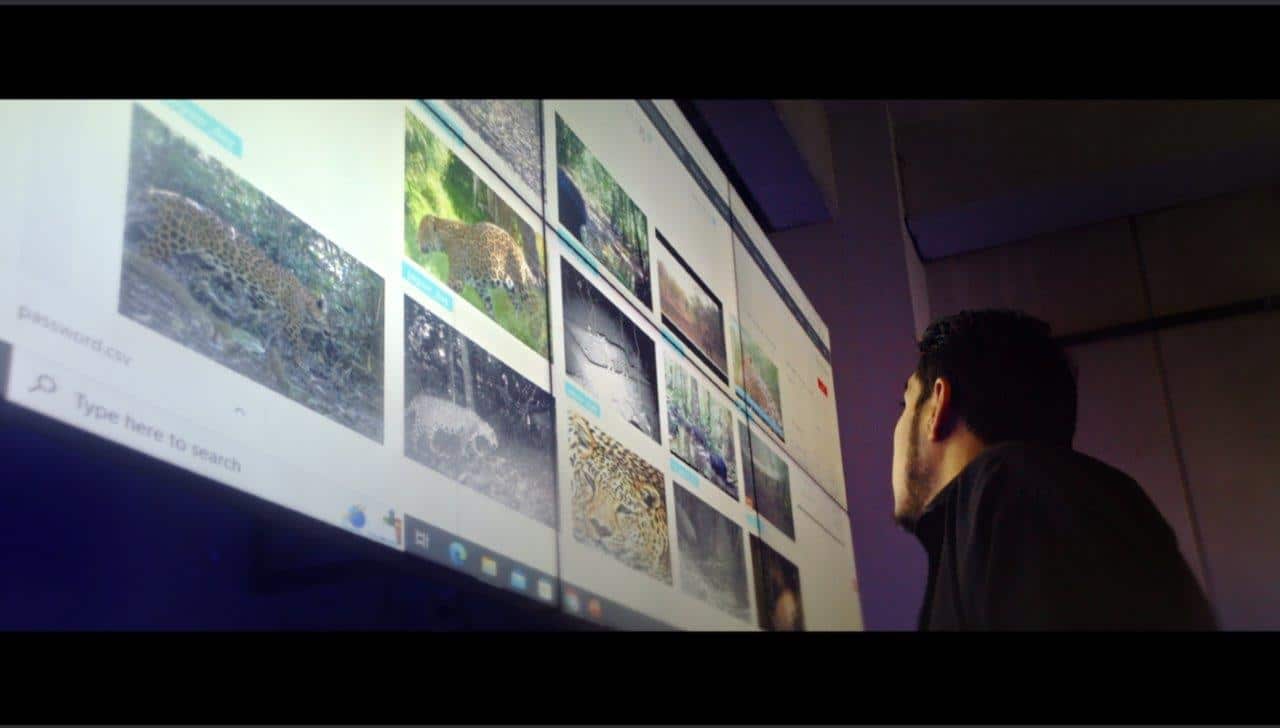
For example, under Tech4Nature Mexico, where Huawei partners with IUCN, C Minds, the Polytechnic University of Yucatán, Rainforest Connection and the local community of Dzilam, more than 30,000 photos, 550,000 audio recordings and numerous videos of wild animals have been collected. An algorithm was developed and trained to help identify different species, especially the jaguar, and to date the team has identified 119 species, including 5 individual jaguars.
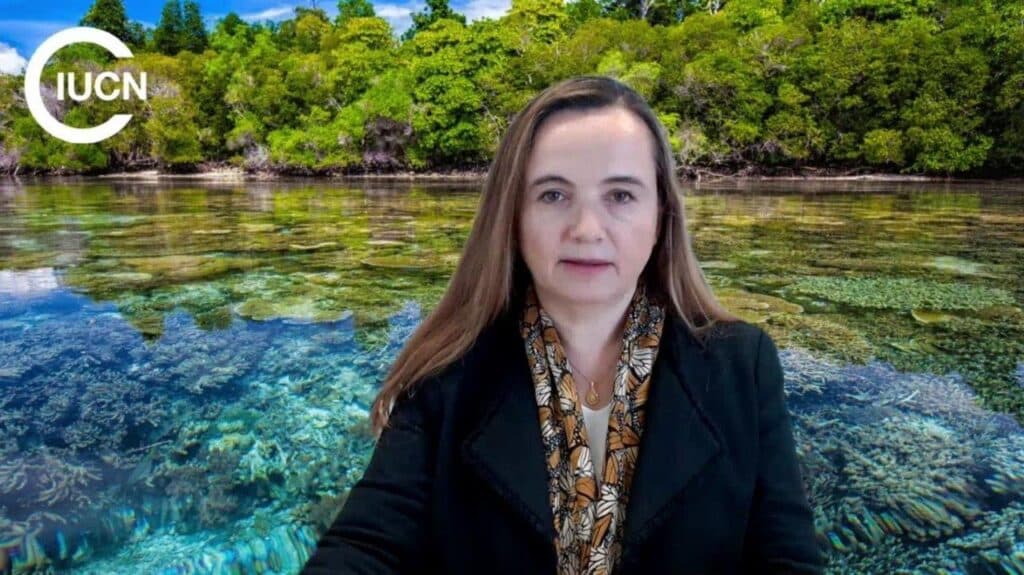
“We have gained a great deal over the last three years of cooperation. During this time, Huawei has worked with us to show how new technologies can be used responsibly to protect nature. At IUCN we are excited to collaborate long term with Huawei as a technology leader to help achieve global goals such as conserving at least 30% of the planet’s land and water by 2030,” said Dr. Grethel Aguilar, Deputy Director General of IUCN.
The main objective of the Smart Protected Areas White Paper is to achieve effective conservation of protected areas and sustainable management of natural resources. Based on this objective, the White Paper identifies seven main scenarios, including ecological protection and restoration, resource management and scientific research, among others.
In these scenarios, four key capabilities need to be deployed: comprehensive, multi-dimensional ecological sensing; integrated multi-network communications that can adapt to complex terrain; smart analytics that can process large amounts of data from multiple sources; and the ability to apply the results of analysis to the operation and management of protected areas. The blueprint proposes an end-to-end solution architecture for smart protected areas based on the latest advances in digital technology.
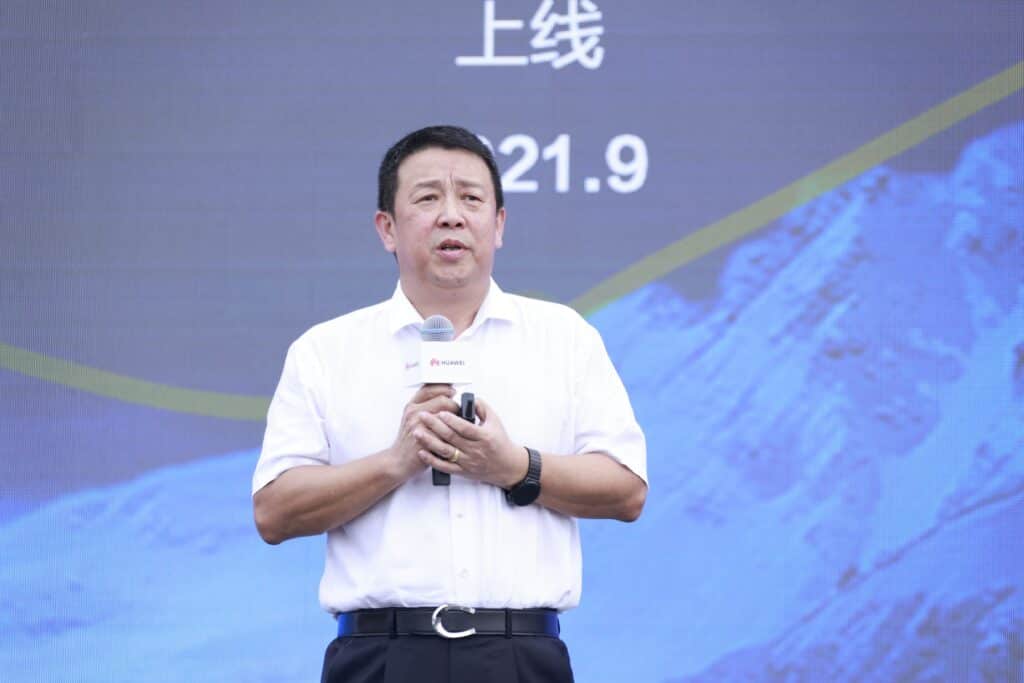
“Biodiversity loss and climate change are two interrelated global environmental crises that require coordinated responses. While protecting nature, science and technology can also help thousands of industries with green development and better tackle climate change,” said Tao Jingwen, Director of the Board of
Huawei and Chair of the Corporate Sustainable Development Committee (CSD).

Peng Song, Senior Vice President and President of Huawei’s ICT Strategy & Marketing Department, said: “The Earth is our only home. Digital technologies can help us protect nature reserves more effectively and promote the sustainable management of natural resources. Our original intention is to bring together the practice of science and technology to help protect nature, and to work with partners to promote the smart development of more nature reserves.”
According to the World Economic Forum’s New Nature Economy Report, more than half of global GDP, around US$44 trillion, depends on nature and the services it provides. However, climate change and biodiversity loss threaten humanity’s survival and sustainable development.
A new nature economy could generate up to US$10.1 trillion in annual business value and create 395 million jobs by 2030.
To explore the future potential of smart nature conservation, the summit brought together TECH4ALL partners, including the government of the State of Yucatán in Mexico, the Mexican innovation agency C Minds, IUCN China, WWF Italy, Rainforest Connection and the Shandong Yellow River Delta National Nature Reserve.
Background
Launched in 2020, Tech4Nature is a nature conservation initiative by Huawei and IUCN that aims to enable more than 300 protected areas around the world to measure their conservation success using the IUCN Green List standard and digital technology.
5 June marks the fiftieth World Environment Day. Led by the United Nations Programme for the Environment (UNEP) and held on 5 June every year since 1973, World Environment Day is the largest global platform for environmental public outreach. Millions of people around the world celebrate the day. In 2023, it is hosted by Côte d’Ivoire.

Founded in 1987, Huawei is a leading global provider of information and communications technology (ICT) infrastructure and smart devices. We have approximately 197,000 employees and operate in over 170 countries and regions, serving more than three billion people around the world.
Our vision and mission is to bring digital to every person, home and organisation for a fully connected, intelligent world. To this end, we will drive ubiquitous connectivity and promote equal access to networks; bring cloud and artificial intelligence to all four corners of the earth to provide superior computing power where you need it, when you need it; build digital platforms to help all industries and organisations become more agile, efficient and dynamic; and redefine user experience with AI, making it more personalised for people in all aspects of their life, whether they’re at home, in the office or on the go.
About TECH4ALL
TECH4ALL is Huawei’s long-term digital inclusion initiative and action plan. Enabled by innovative technologies and partnerships, TECH4ALL is designed to help promote inclusion and sustainability in the digital world.
Find out more about AF Comunicación Estratégica and its clients
More stories
- Public Health, the Dental Association and ADTS drive medical and dental tourism
- Alejandro Cambiaso presents the Dominican Republic’s health tourism success story in Guatemala and calls for a stronger regional vision for Latin America
- ADTS and AF Comunicación announce the 8th International Health and Wellness Tourism Congress 2027
- Internal Communication as a strategic tool for organisational management