Novel gene therapy proves safe and successful in patients with sickle cell disease
4 minutes read
- Patients show no signs of disease after treatment.
Cleveland: Researchers presenting preliminary data from a clinical trial aimed at finding a cure for sickle cell disease have reported positive results among their first patients.
Sickle cell disease, a genetic blood disorder, is a painful and debilitating disease for which there are few approved therapies.
Researchers taking part in the multicentre Ruby trial presented an update on the safety and efficacy of a single dose of EDIT-301, an investigational gene-edited cell therapy that modifies the patient’s own blood-forming stem cells to correct the mutation responsible for sickle cell disease. The results were presented at the European Hematology Association Hybrid Congress, held in Frankfurt, Germany.
The first four patients, two of whom were treated at Cleveland Clinic Children’s, had stem cells collected for gene editing. The patients then received chemotherapy to destroy their remaining bone marrow, making room for the repaired cells, which were then reintroduced into their bodies.
This is the first time this novel type of CRISPR gene-editing technology, known as CRISPR/CA12, has been used in a human study to alter the defective gene. This technology is a highly precise tool for modifying the genome of blood stem cells and enabling robust production of healthy blood cells.
The data showed new white blood cells in all four patients at around four weeks, with no serious adverse effects. The patients also reached a normal haemoglobin level; haemoglobin is the most important component of the red blood cells that carry oxygen around the body. The patients have also been free of the pain crises associated with sickle cell disease for periods of 11 months and seven months after therapy.
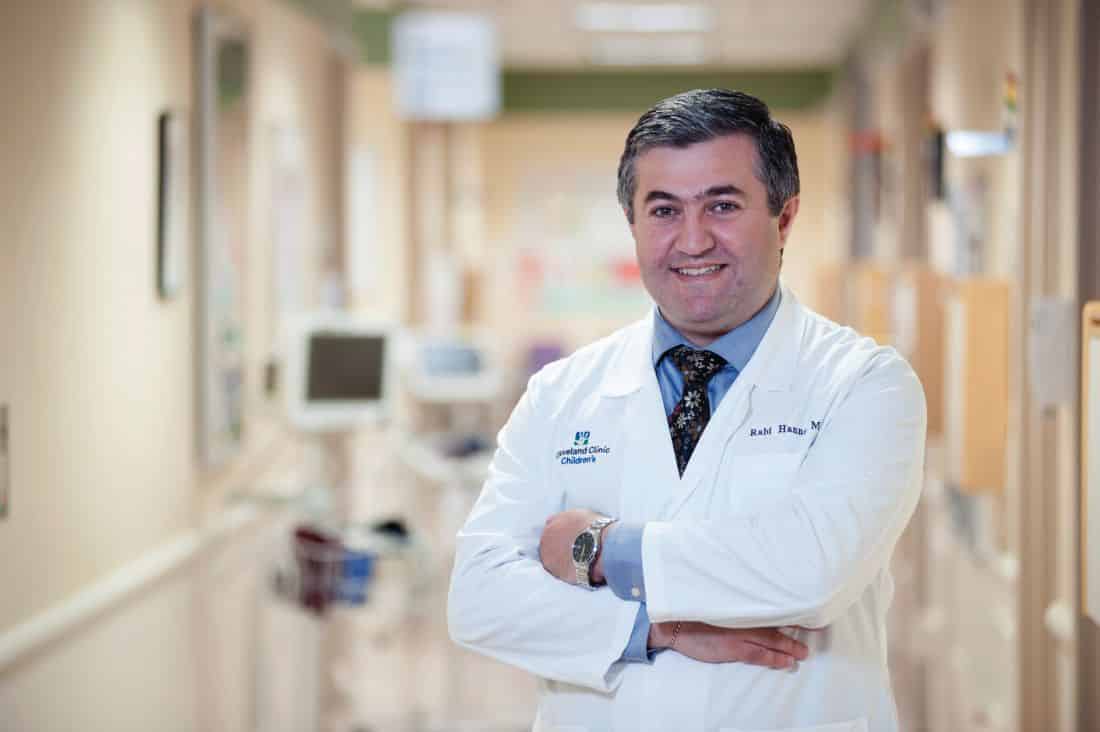
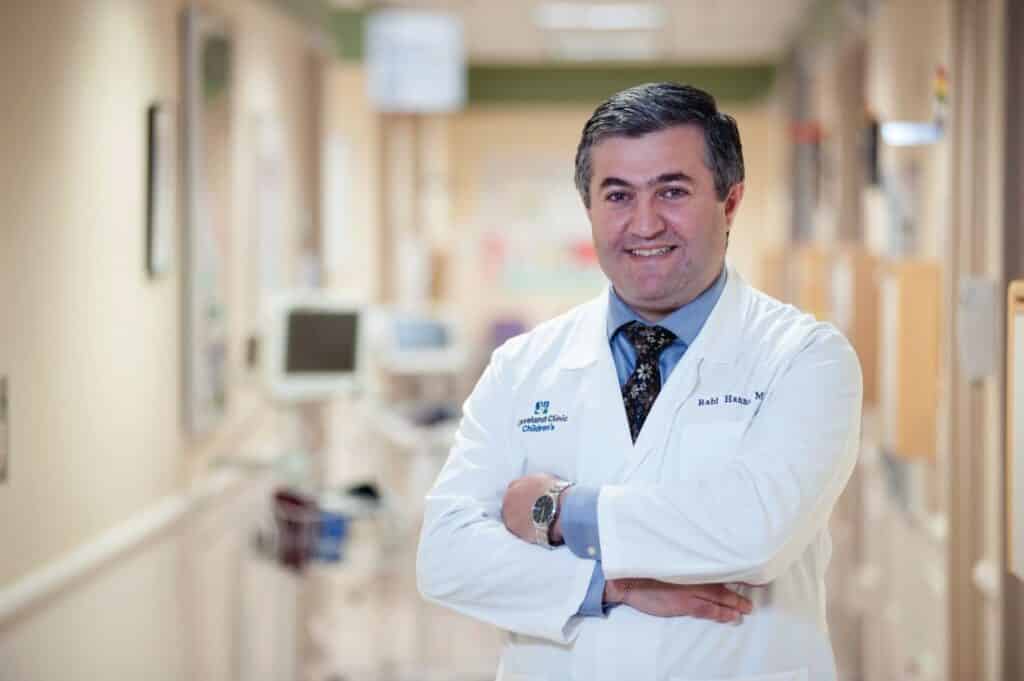
“New treatments like this are critical for people living with sickle cell disease,” said Dr. Rabi Hanna, principal investigator and director of the paediatric blood and marrow transplant programme at Cleveland Clinic Children’s. “These initial results offer hope that this new technology will continue to show progress as we work to create a potential functional cure for this devastating and life-threatening disease.”
While an estimated 1 to 3 million people in the United States have the sickle cell trait, only about 100,000 people have sickle cell disease. The trait and the disease are most commonly found in certain ethnic groups, including African Americans. In the United States, approximately one in every 365 African American babies has sickle cell disease.
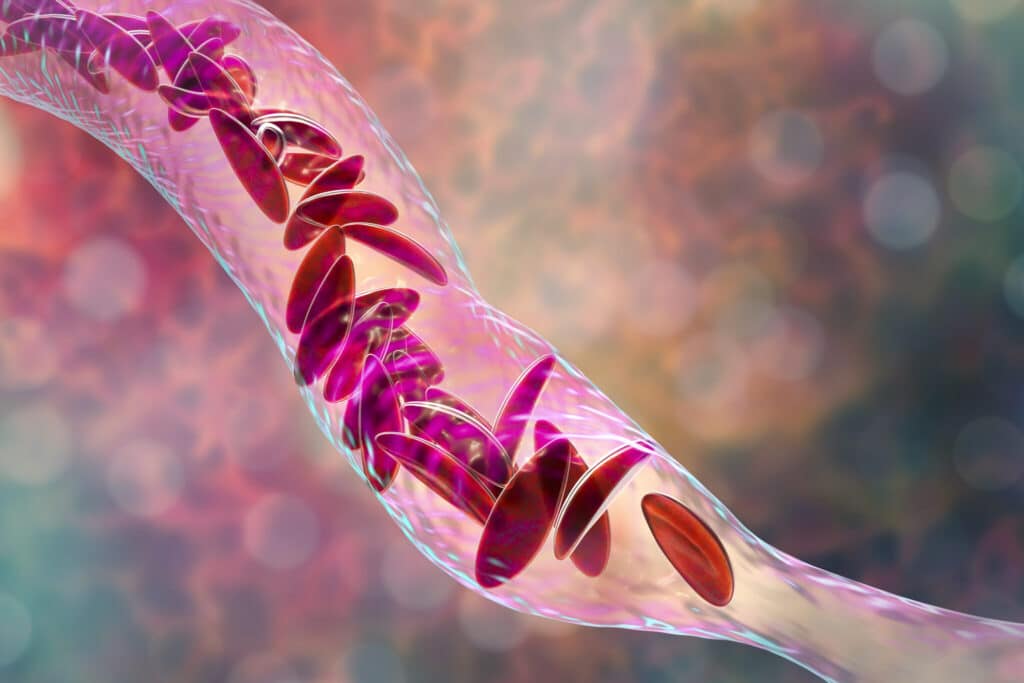
Sickle cell disease is an inherited blood disorder that leads to the production of abnormal haemoglobin, a red protein responsible for carrying oxygen in the blood. Normal red blood cells are round and can move through small blood vessels to carry oxygen. However, in people with sickle cell disease, the genetic change in DNA causes a chemical alteration in haemoglobin and changes the shape of red blood cells to a sickle shape, making them stiff and preventing them from passing through narrow blood vessels. These cells can become stuck or break apart, which also shortens the life of red blood cells and increases iron storage in the liver and heart. This can cause conditions such as liver fibrosis, liver failure, stroke, cardiomyopathy and heart failure, as well as severe pain.
For most people with the condition, medication can modify the severity of the disease and treat symptoms. However, despite current therapies, the average life expectancy of a patient with sickle cell disease is about 40 years. A blood or bone marrow transplant can cure the disease, but it usually requires a sibling donor and can lead to severe graft-versus-host disease, in which the donor’s bone marrow or stem cells attack the recipient. The Ruby trial aims to enrol 40 adult patients aged 18 to 50 with severe sickle cell disease. Patients will be closely monitored after treatment for up to two years.
About Cleveland Clinic Children’s
Cleveland Clinic Children’s is part of the Cleveland Clinic health system and offers comprehensive medical, surgical and rehabilitative care for infants, children and adolescents. Cleveland Clinic Children’s has 389 beds across four acute care hospitals and one post-acute specialty hospital. In addition, paediatric services are available at more than 50 outpatient locations throughout northeast Ohio. A staff of more than 300 full-time paediatricians and subspecialists handles 750,000 paediatric visits a year and provides hospital care for 13,000 children each year. Cleveland Clinic Children’s is a nonprofit multispecialty academic medical centre that integrates clinical care, research and education. Cleveland Clinic Children’s is consistently ranked among the “Best Children’s Hospitals” by U.S. News & World Report. Visit us online at www.clevelandclinic.org/childrens and on Facebook at www.facebook.com/clevelandclinicchildrens.
Find out more about AF Comunicación Estratégica and its clients
More stories
- Public Health, the Dental Association and ADTS drive medical and dental tourism
- Alejandro Cambiaso presents the Dominican Republic’s health tourism success story in Guatemala and calls for a stronger regional vision for Latin America
- ADTS and AF Comunicación announce the 8th International Health and Wellness Tourism Congress 2027
- Internal Communication as a strategic tool for organisational management