
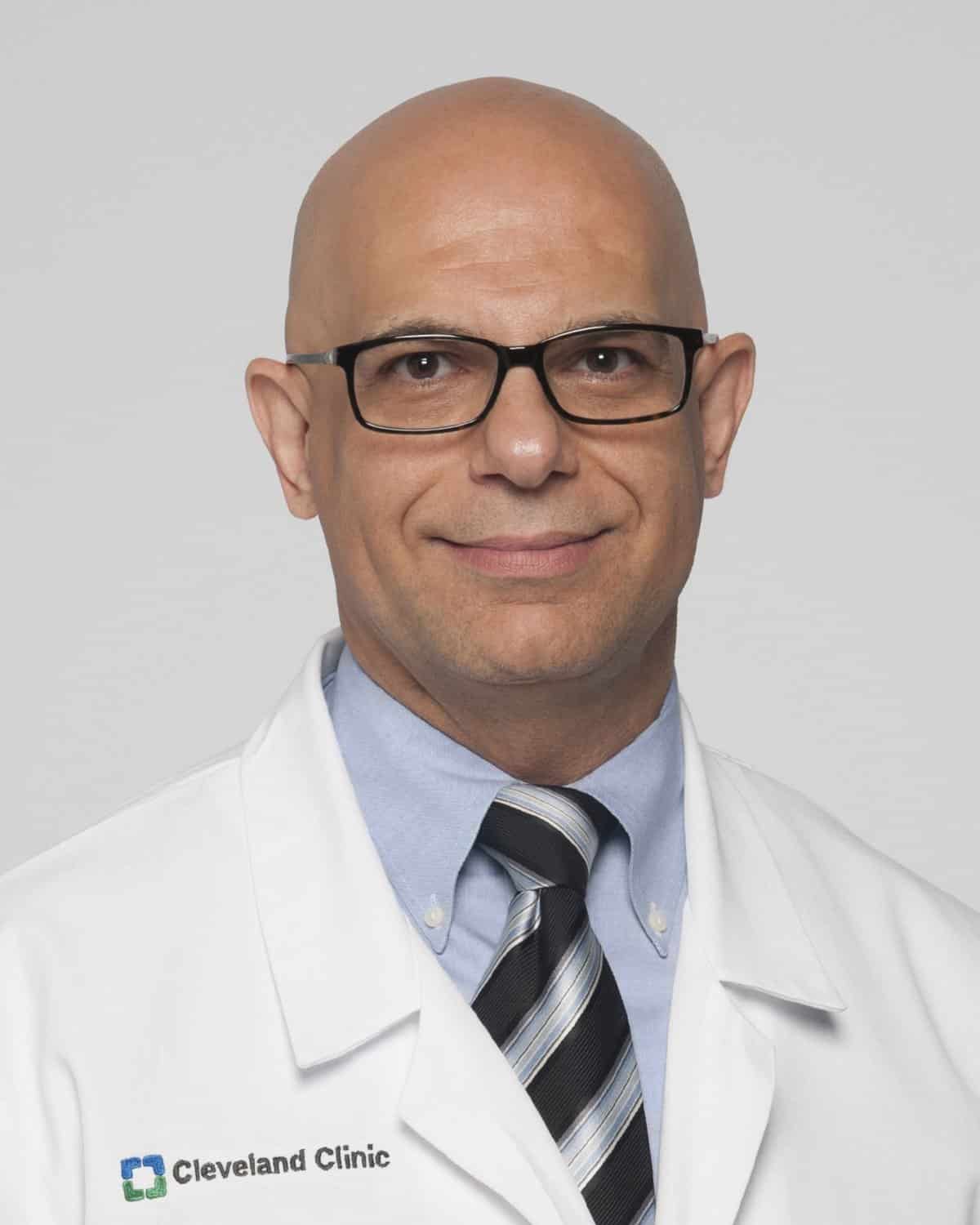
Early diagnosis and significant treatment advances could reduce the high death rate from lung cancer, says Cleveland Clinic expert
5 minutes read
- A medical oncologist from the global health system explains how new advances are changing the face of lung cancer treatment.
August 2023.- Thanks to early diagnosis and continuing advances in treatment options, there is no reason for lung cancer to keep its reputation as one of the deadliest cancers, according to an expert from the global health system Cleveland Clinic.
“It is a very exciting time in the field of lung cancer treatment,” says Dr. Khaled Hassan, a medical oncologist specialising in lung cancer at Cleveland Clinic. “In addition to advances in surgery and radiotherapy, the last two decades have seen major advances in systemic therapy, with the introduction of immunotherapy, targeted therapy and antibody-based treatments alongside traditional chemotherapy options.”
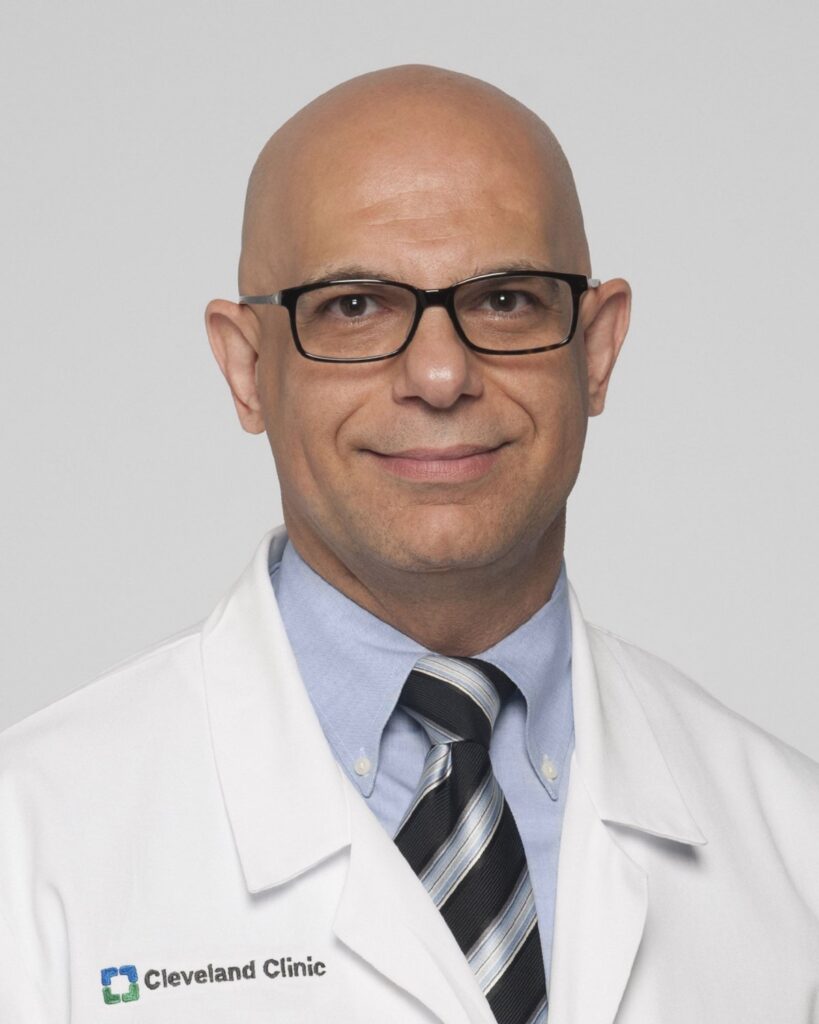
Dr. Hassan sees World Lung Cancer Day as an opportunity for people to talk openly about lung cancer and to encourage those at risk to get screened. He says: “We need to share the message that the earlier the disease is detected, the more treatable it is, and even if it is detected at a late stage, there are now many effective new treatment options to explore.”
Focusing on the importance of regular screening, the oncologist says research indicates that lung cancer death rates could be cut by up to 20% if people aged 50 to 80 with a 20 pack-year smoking history, who currently smoke or have quit within the last 15 years, had annual screening with a low-dose Chest CT Scan.
The lung cancer specialist is quick to point out, however, that non-smokers and younger people can also develop lung cancer, which is usually caused by specific genetic mutations rather than the cumulative DNA damage caused by smoking.
Medical advances
According to Dr. Hassan, advances in medical oncology over the last two decades mean treatment is now far more personalised than in the past. Instead of analysing cancer from a histological perspective, experts now analyse the disease at the molecular level, looking for specific DNA mutations that are driving the cancer and can be targeted with specific drugs.
At centres such as Cleveland Clinic, a multidisciplinary team handles lung cancer cases, with medical and radiation oncologists, thoracic surgeons, pulmonologists, radiologists, pathologists and other lung cancer experts working together to create a treatment plan that offers the patient the best possible outcome.
To determine the most appropriate treatment, doctors consider three factors. “First, we identify the type of lung cancer and the molecular characteristics of the disease. Next, we consider the stage of the cancer, from stage 1, which is localised, to stage 4, in which the cancer has metastasised or spread. Third, we take into account patients’ current health and circumstances, for example whether they are fit for surgery.”
If the disease is detected early, at stage 1, and the patient is otherwise healthy, surgical removal of the tumours is the preferred option, says the lung cancer oncologist, as it offers the best chance of removing all the cancer cells so that the cancer does not come back. According to Dr. Hassan, surgery is curative in around 80% of patients with stage
1. If the patient cannot or does not want to undergo surgery, they will most likely be given a form of targeted radiation, such as stereotactic body radiotherapy.
For stage 2 and 3 lung cancer, surgery or radiation would be followed by systemic therapy, which has seen major advances in the last two decades, says Dr. Hassan. At stage 4, because the cancer has spread to other organs, surgery or radiotherapy would play no role, and treatment would take the form of systemic therapy.

Regarding advances in systemic therapy, Dr. Hassan says chemotherapy was the treatment of choice for many years, but three advances have greatly increased treatment options. The first came in the early 2000s, when experts discovered that many lung cancers are caused by specific genetic mutations. As these mutations were identified, oral drugs targeting each of them were developed, and more drugs continue to be developed as more mutations are identified.
The second advance came with the development of immunotherapy drugs in the mid-2010s. These drugs are well tolerated and carry fewer risks and side effects than chemotherapy, for example, as they harness the body’s own immune system to fight cancer. “In very simple terms, cancer cells normally ‘hide’ from the immune system, but immunotherapy drugs work to make them identifiable and accessible so that they can be eradicated,” says the specialist.
Antibody-drug conjugates (ADCs) represent the third advance. In these, antibodies with chemotherapy drugs attached circulate in the blood and bind to specific receptors on cancer cells. Once bound, they release the chemotherapy into the cell to destroy it. The advantage of this method is that it targets only cancer cells instead of exposing the whole body to chemotherapy.
The specialist notes that although these new treatments, together with regular screening, can help significantly reduce cancer death rates, prevention remains key.
“It is well documented that many cases of lung cancer are caused by years of tobacco use. Encouraging people to quit, or never to start, any tobacco habit, including cigarettes, chewing tobacco, hookah and vaping, would substantially reduce the incidence of and mortality from lung cancer,” he concludes.

About Cleveland Clinic
Cleveland Clinic is a nonprofit multispecialty academic medical centre that integrates clinical and hospital care with research and education. Located in Cleveland, Ohio, it was founded in 1921 by four renowned physicians with a vision of providing outstanding patient care based on the principles of cooperation, compassion and innovation. Cleveland Clinic has pioneered many medical breakthroughs, including coronary artery bypass surgery and the first face transplant in the United States.
U.S. News & World Report consistently names Cleveland Clinic as one of the nation’s best hospitals in its annual “America’s Best Hospitals” survey. Among Cleveland Clinic’s 72,500 employees worldwide are more than 5,050 salaried physicians and researchers, and 17,800 registered nurses and advanced practice providers, representing 140 medical specialties and subspecialties. Cleveland Clinic is a 6,500-bed health system that includes a 173-acre main campus near downtown Cleveland, 21 hospitals, more than 220 outpatient facilities, and locations in northeast Ohio; southeast Florida; Las Vegas, Nevada; Toronto, Canada; Abu Dhabi, UAE; and London, England.
In 2021, there were 10.2 million outpatient visits, 304,000 hospital admissions and observations, and 259,000 surgeries across Cleveland Clinic’s health system. Patients came for treatment from every state and 185 countries.
Visit us at clevelandclinic.org. Follow us at twitter.com/ClevelandClinic. News and resources available at newsroom.clevelandclinic.org.
Find out more about AF Comunicación Estratégica and its clients
More stories
- Public Health, the Dental Association and ADTS drive medical and dental tourism
- Alejandro Cambiaso presents the Dominican Republic’s health tourism success story in Guatemala and calls for a stronger regional vision for Latin America
- ADTS and AF Comunicación announce the 8th International Health and Wellness Tourism Congress 2027
- Internal Communication as a strategic tool for organisational management