
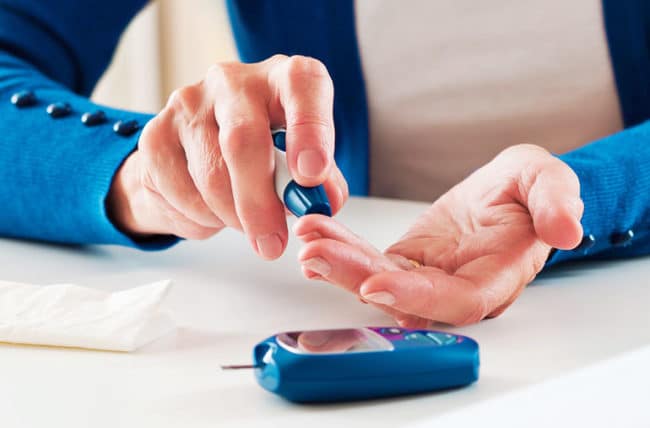
Is diabetes sneaking up on you? 6 early signs
5 minutes read
- Regular testing can help catch diabetes early.
High blood sugar can sneak up on you without any obvious symptoms. In fact, most people don’t know they have high blood sugar until they are diagnosed with type 2 diabetes – and they have probably had it for some time.
How do you know if you have diabetes?
The tell-tale signs of type 2 diabetes, such as frequent urination and excessive thirst, are often subtle, especially at first. But ignoring them can lead to worse health problems down the road.

Even a mild elevation in blood sugar can damage the nerves, kidneys and retinas. And the higher your blood sugar levels and the longer they go untreated, the worse the damage can be.
“When we diagnose someone, we assume they’ve probably had diabetes for about five years already,” says Cleveland Clinic endocrinologist Kevin Pantalone, DO. “During screening, a certain number of newly diagnosed people are already living with kidney problems and retinal problems, so they’ve had it for a while.”
Dr. Pantalone says there are several symptoms that can occur early in diabetes. Even if they are subtle, they are worth mentioning to your doctor.
1. You’re making more trips to the bathroom
Having to go to the bathroom more than usual, especially at night, is a sign that your blood sugar may be out of control. For example, Dr. Pantalone says one of his patients came in for a diagnosis after a family member noticed he was going to the bathroom during every commercial break while they watched TV.
2. You get frequent urinary or yeast infections
When blood sugar is high and the kidneys can’t filter it well enough, sugar ends up in the urine. More sugar in a warm, moist environment can cause urinary tract and yeast infections, especially in women.
3. You’re losing weight without trying
If you have diabetes, your body can’t use glucose (sugar) as effectively for energy. Instead, your body will start burning fat stores and you may experience unexpected weight loss.
4. Your vision is getting worse
High sugar levels can distort the lenses of your eyes, worsening your vision. Changes in your glasses prescription or in your vision are sometimes a sign of diabetes.
5. You feel fatigued or worn out
Several underlying causes of fatigue can be related to diabetes/high sugar levels, including dehydration (from frequent urination, which can disrupt sleep) and kidney damage. This feeling of exhaustion is often persistent and can interfere with your daily activities, notes Dr. Pantalone.
6. You’re noticing skin discolouration
Something Dr. Pantalone often sees in people before a diabetes diagnosis is dark skin in the folds of the neck and over the knuckles. Insulin resistance can cause this condition, known as acanthosis nigricans.
How signs differ between men and women
According to the US Centers for Disease Control and Prevention (CDC), men are more likely to be diagnosed with type 2 diabetes at a lower weight. One reason is that men tend to store more fat around their stomachs, which is a risk factor. Men living with type 2 diabetes are also more likely to have heart disease. This combination could lead to erectile dysfunction (ED). In fact, the CDC says men living with diabetes are three times more likely to experience erectile dysfunction. Nerve damage from diabetes can also lead to:
- An overactive bladder (especially at night).
- Incontinence (leaking urine).
- Urinary tract infections (UTIs).
- Retrograde ejaculation (semen is released into the bladder).
How diabetes symptoms differ for women
Women living with type 2 diabetes have more to manage. According to the CDC, diabetes can increase the risk of heart disease about fourfold in women compared with twofold in men. Women are also at greater risk of other diabetes-related complications, such as blindness, kidney disease and depression.
Women living with type 2 diabetes may also have:
- A lower sex drive.
- Longer or heavier periods.
- Trouble getting pregnant or complications during pregnancy.
- Weight gain during menopause, which could require an increase in their diabetes medication.
- Frequent yeast infections or urinary tract infections.
Type 2 diabetes also affects women from specific ethnic groups differently. African American, Alaska Native, American Indian, Asian American, Hispanic/Latina, Native Hawaiian and Pacific Islander women are more likely to have diabetes than white women.
Ways to prevent type 2 diabetes
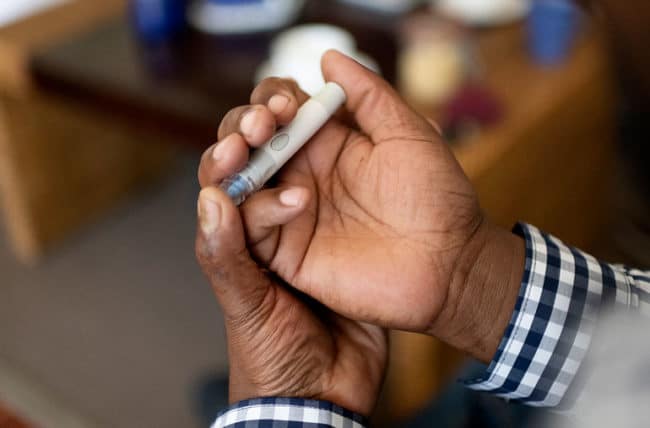
It is possible to prevent type 2 diabetes. Most of it comes down to managing your weight and exercising regularly. Losing just 5% of your current weight can help reverse prediabetes, which is when you have higher blood sugar levels that aren’t yet high enough for a diabetes diagnosis. It also helps to cut back on processed foods, alcohol, sugary drinks and trans fats. Choose whole grains, lean proteins, fruit, non-starchy vegetables, water and sugar-free drinks.
Regular testing can keep you in the know
“Often what happens is that people downplay or rationalise the symptoms, and they get worse until they become bad enough that they have to see someone,” says Dr. Pantalone. “They have excessive weight loss or they’re really tired of urinating all night.”
Because diabetes symptoms are often subtle or non-existent, especially early on, it is important to see your doctor regularly for check-ups and testing. This is essential if you are overweight or have risk factors, for example if diabetes runs in your family.
Risk factors include:
- Being overweight.
- Being 45 or older.
- Being African American, Alaska Native, American Indian, Asian American, Hispanic/Latino, Native Hawaiian or Pacific Islander.
- Living with high blood pressure.
- Having low HDL (good) cholesterol or high triglycerides.
- Having a history of gestational diabetes or giving birth to a baby weighing 9 pounds or more.
- Not being physically active.
- Having a history of heart disease, stroke, depression or polycystic ovary syndrome (PCOS).
The US Preventive Services Task Force recommends screening for type 2 diabetes if you are between 40 and 70. If the results are normal, you should repeat the test every three years. If you have a risk factor, the task force recommends starting screening at a younger age and more often.

About Cleveland Clinic
Cleveland Clinic is a nonprofit multispecialty academic medical centre that integrates clinical and hospital care with research and education. Located in Cleveland, Ohio, it was founded in 1921 by four renowned physicians with a vision of providing outstanding patient care based on the principles of cooperation, compassion and innovation. Cleveland Clinic has pioneered many medical breakthroughs, including coronary artery bypass surgery and the first face transplant in the United States.
Find out more about AF Comunicación Estratégica and its clients
More stories
- Public Health, the Dental Association and ADTS drive medical and dental tourism
- Alejandro Cambiaso presents the Dominican Republic’s health tourism success story in Guatemala and calls for a stronger regional vision for Latin America
- ADTS and AF Comunicación announce the 8th International Health and Wellness Tourism Congress 2027
- Internal Communication as a strategic tool for organisational management