
A healthy diet can help prevent, control and even reverse diabetes
4 minutes read
- A diabetic diet doesn’t have to be complicated, and it doesn’t mean giving up all your favourite foods.
In the Dominican Republic, 13.45% of the population is diabetic and 9.3% prediabetic, according to the National Institute of Diabetes, Endocrinology and Nutrition (INDEN), as confirmed by the Pan American Health Organization (PAHO).
What is the best diet for diabetes?
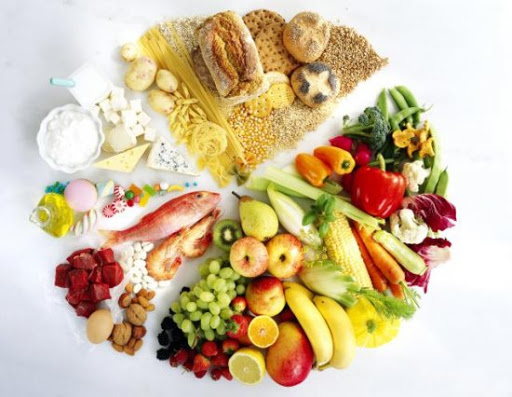
Taking steps to prevent or control diabetes doesn’t mean living in deprivation; it means eating a healthy, balanced diet that will also boost your energy and improve your mood. You don’t have to give up sweets completely or resign yourself to a lifetime of bland food.
Whether you are trying to prevent or control diabetes, your nutritional needs are virtually the same as everyone else’s, so no special foods are needed.
However, you do need to pay attention to some of your food choices, especially the carbohydrates you eat. While following a Mediterranean diet or another heart-healthy diet can help, the most important thing you can do is control your weight.
Losing weight and eating more healthily can also have a profound effect on your mood, energy and sense of wellbeing. Even if you have already developed diabetes, it’s not too late to make a positive change.
By eating more healthily, being more physically active and losing weight, you can reduce your symptoms or even reverse diabetes. The bottom line is that you have more control over your health than you think.
José Cabral, M.D., a specialist endocrinologist at Cleveland Clinic Florida with more than 20 years in practice, says that “people with diabetes have nearly twice the risk of heart disease and a higher risk of developing mental health disorders such as depression. However, most cases of type 2 diabetes can be prevented, and some can even be reversed.”
Find the hidden sugar
Being smart about sweets is only part of the battle. Sugar is also hidden in many packaged foods, fast foods and supermarket staples such as bread, cereals, tinned goods, pasta sauce, margarine, instant mashed potato, frozen dinners, low-fat meals and ketchup.
The first step is to spot hidden sugar on food labels, which can take some detective work:
-
- Manufacturers give the total amount of sugar on their labels, but they don’t have to distinguish between added sugar and sugar found naturally in the food.
-
- Added sugars are listed in the ingredients, but they are not always easily recognisable as such. While sugar, honey or molasses are easy to spot, added sugar can also be listed as corn syrup, cane crystals, fructose, dextrose, lactose or maltose.
-
- While you would expect sugary foods to have sugar at the top of their ingredients list, manufacturers often use different types of added sugar that then appear scattered through the list. But all these small doses of different sweeteners can add up to a lot of extra sugar and empty calories!
Choose fats wisely
Some fats are unhealthy and others have enormous health benefits, so it is important to choose them wisely.
-
- Unhealthy fats: The most damaging fats are artificial trans fats, which make vegetable oils less likely to spoil. Avoid commercially baked goods, packaged snacks, fried foods and anything containing partially hydrogenated oil, even if it claims to be trans-fat free.
-
- Unsaturated fats: The healthiest fats are unsaturated fats, which come from fish and plant sources such as olive oil, nuts and avocados. Omega-3 fatty acids fight inflammation and support brain and heart health. Good sources include salmon, tuna and flaxseed.
-
- Saturated fats: Found mainly in tropical oils, red meat and dairy, there’s no need to cut saturated fat out of your diet completely, but enjoy it in moderation.
Eat at regular times
Your body is better able to regulate blood sugar levels and your weight when you keep to a regular meal schedule. Aim for moderate, consistent portion sizes at each meal.
-
- Start the day with a good breakfast: It will provide energy as well as steady blood sugar levels.
- Small regular meals, up to 6 a day: Eating regularly will help you keep your portions under control.
Keep your calorie intake the same: To regulate blood sugar levels, try to eat roughly the same amount every day, rather than overeating one day or at one meal and then skimping the next.
More stories
- Multidisciplinary care: a centralised model that speeds up the early detection of cancer
- TransUnion expands Juan Camilo Badel’s remit to strengthen its growth strategy in Central America, the Dominican Republic and Mexico TSI
- Cleveland Clinic is the first centre in Ohio to perform a nipple-sparing robotic mastectomy
- DiDi boosts connections with the Metro and Cable Car of Santo Domingo