
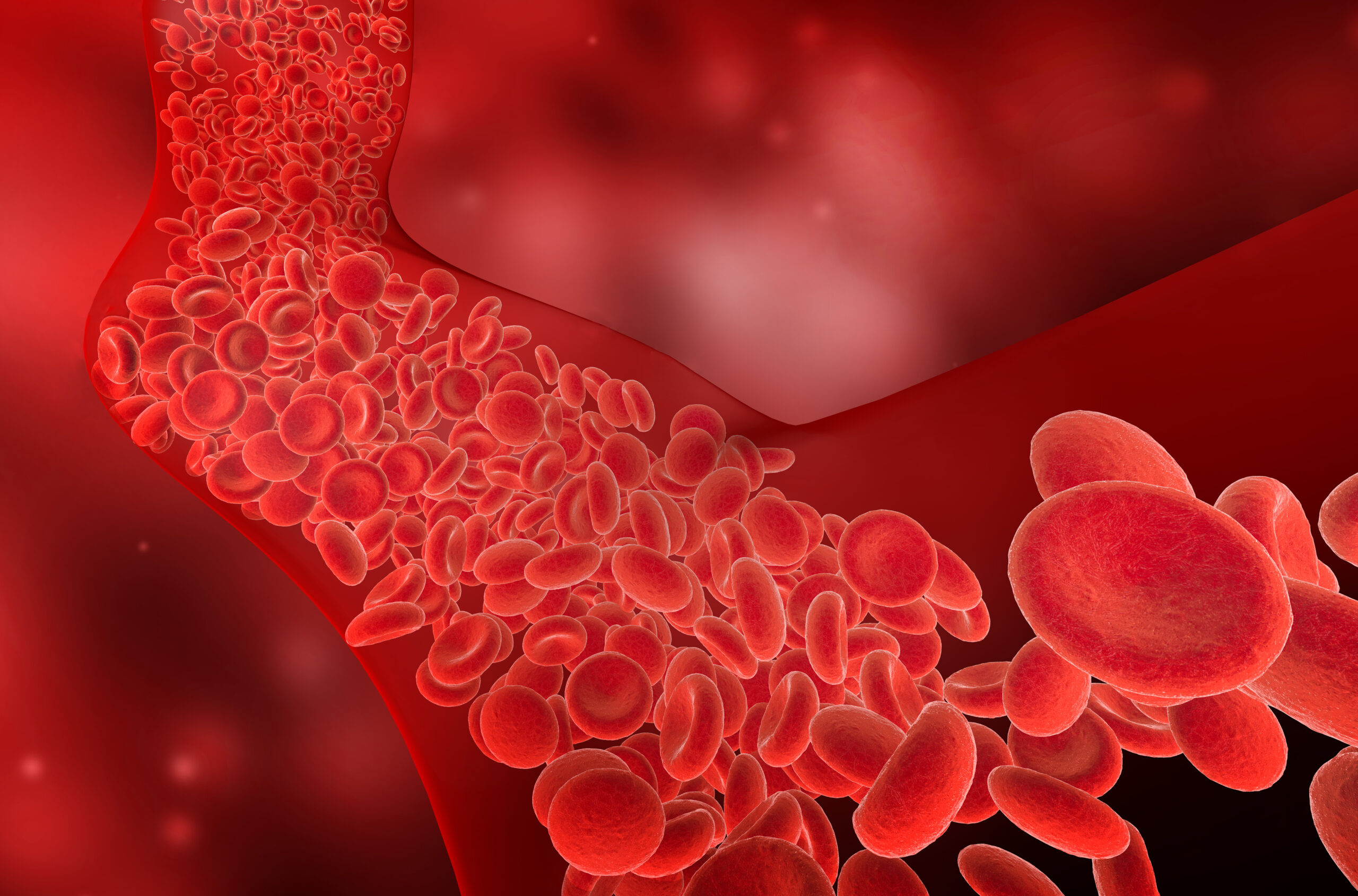
Cholesterol, a silent factor that affects cardiovascular health
3 minutes read
- Dr Hermann Stubbe, of Cleveland Clinic, explains the difference between good and bad cholesterol and warns that its build-up in the arteries raises the risk of heart attacks and strokes.
Cleveland. Cholesterol is a fatty substance present in the blood that performs essential functions in the body, such as forming cell membranes, producing hormones and synthesising vitamin D, explained Dr Hermann Stubbe, a family medicine specialist at Cleveland Clinic. He warned, however, that high levels can become a significant risk factor for health.
The specialist explained that there are two main types of cholesterol. HDL, known as good cholesterol, helps remove excess fat from the blood by carrying it to the liver to be eliminated. LDL, or bad cholesterol, tends to build up on artery walls, encouraging the formation of plaques that obstruct blood flow.
According to Dr Stubbe, that build-up, known as atherosclerosis, can reduce or block the flow of blood to vital organs such as the heart and the brain, raising the risk of heart attacks and strokes. He also pointed out that high cholesterol usually causes no symptoms, which makes it harder to detect in time.
Factors that raise cholesterol include a diet rich in saturated and trans fats, physical inactivity, excess weight, family history, ageing, and certain illnesses and medicines. These elements have a direct bearing on how the body produces and eliminates cholesterol.
On prevention, he recommended that adults have their cholesterol tested at least once every five years from the age of 20. He noted that people with risk factors or a family history of cardiovascular disease should be checked more often, as advised by their doctor.
Dr Stubbe stressed that keeping cholesterol at healthy levels is possible through habits such as a balanced diet, regular physical activity, avoiding tobacco, maintaining a suitable weight and keeping conditions such as diabetes and high blood pressure under control. He also insisted on the importance of regular check-ups to detect any change in time and take the necessary measures.
About Cleveland Clinic
Cleveland Clinic is a non-profit multispecialty academic medical centre that integrates clinical and hospital care with research and education. Located in Cleveland, Ohio, it was founded in 1921 by four renowned physicians with a vision of providing outstanding patient care built on the principles of cooperation, compassion and innovation. Cleveland Clinic has pioneered many medical breakthroughs, including coronary artery bypass surgery and the first face transplant in the United States. U.S. News & World Report consistently names Cleveland Clinic as one of the nation’s best hospitals in its annual “America’s Best Hospitals” survey. Among Cleveland Clinic’s 70,800 employees worldwide are more than 4,660 salaried physicians and researchers, and 18,500 registered nurses and advanced practice providers, representing 140 medical specialities and subspecialities. Cleveland Clinic is a 6,500-bed health system that includes a 173-acre main campus near downtown Cleveland, 19 hospitals, more than 220 outpatient centres and locations in southeast Florida; Las Vegas, Nevada; Toronto, Canada; Abu Dhabi, United Arab Emirates; and London, England. In 2020, there were a total of 8.7 million outpatient visits, 273,000 hospital admissions and observations and 217,000 surgical cases across the Cleveland Clinic health system. Patients came for treatment from every state and 185 countries.
More stories
- Multidisciplinary care: a centralised model that speeds up the early detection of cancer
- TransUnion expands Juan Camilo Badel’s remit to strengthen its growth strategy in Central America, the Dominican Republic and Mexico TSI
- Cleveland Clinic is the first centre in Ohio to perform a nipple-sparing robotic mastectomy
- DiDi boosts connections with the Metro and Cable Car of Santo Domingo