Cleveland Clinic creates centre for pathogen research
3 minutes read
- Cleveland Clinic will create the Center for Global and Emerging Pathogens Research to expand knowledge of the viruses and bacteria that threaten global health.
Cleveland Clinic is creating the Center for Global and Emerging Pathogens Research, whose aim is to expand understanding of emerging pathogens – ranging from the Zika virus to SARS-CoV-2 (which causes COVID-19) – and accelerate urgently needed treatments and vaccines.
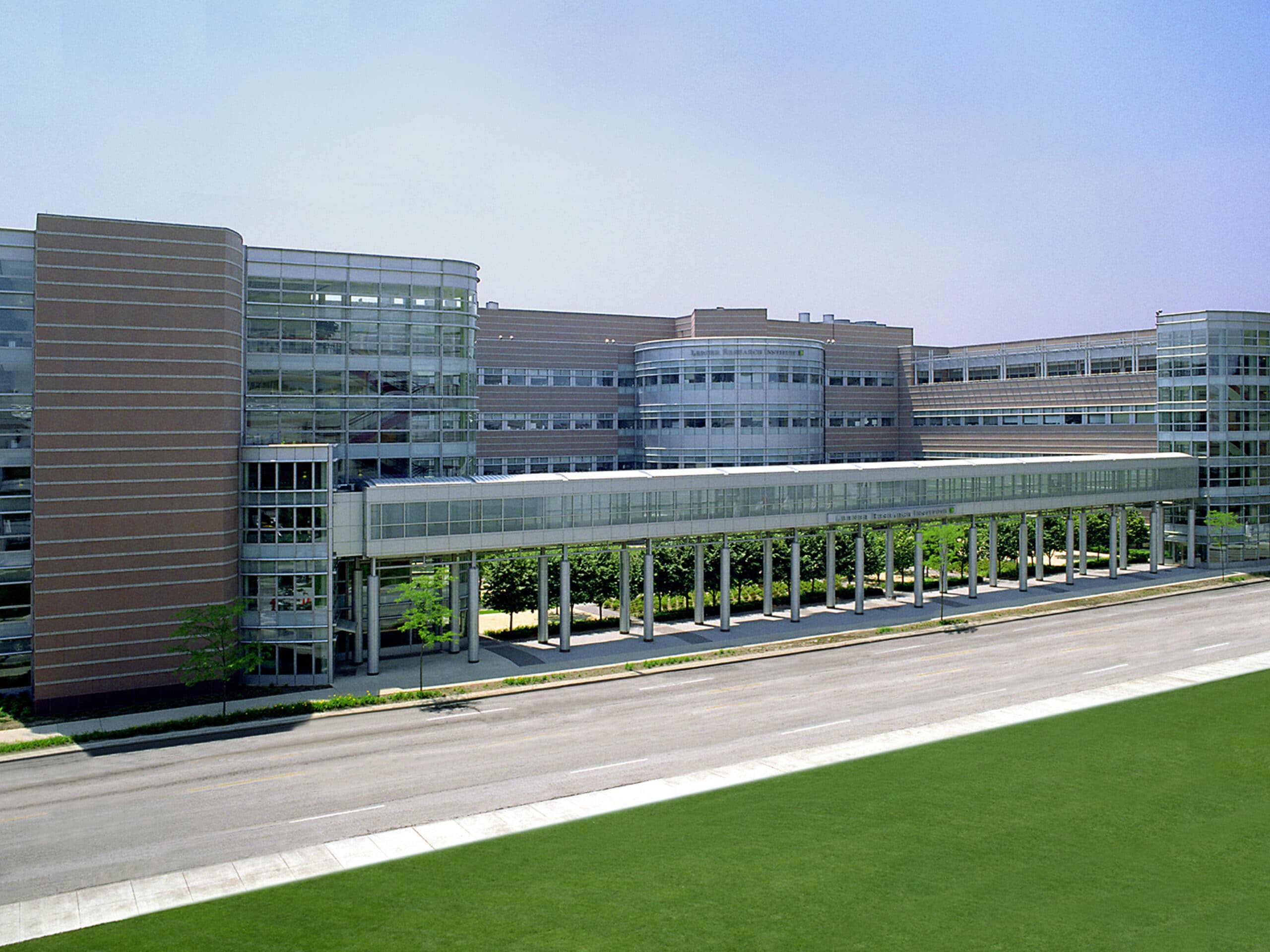
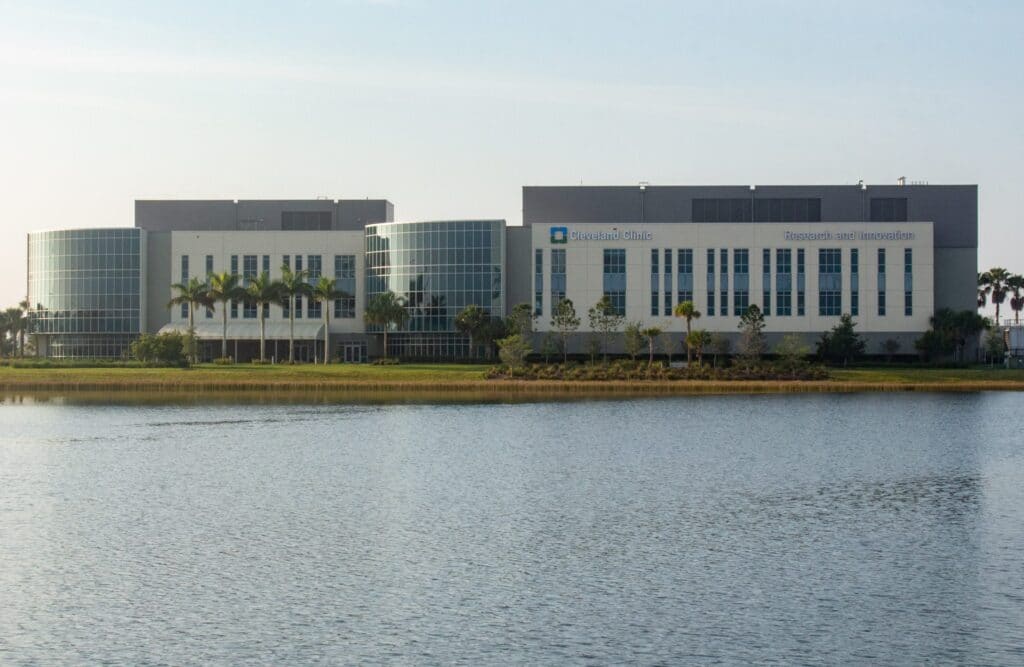
The new centre has been in the planning stages for 18 months and will include Cleveland Clinic’s Lerner Research Institute and the Cleveland Clinic Florida Research and Innovation Center (FRIC), which will soon open in Port St. Lucie, Florida. A team of renowned experts will lead the centre to advance research into diseases such as COVID-19, highly pathogenic influenza, dengue fever, AIDS and Zika-related conditions.
“New pathogens for which we have little or no immunity are a tremendous risk to global health,” said Serpil Erzurum, M.D., chair of the Lerner Research Institute.
“We have some of the world’s leading experts in virology, immunology, genomics, public health and drug discovery research coming together to work as a team on infectious disease research.”
Building on Cleveland Clinic’s robust research infrastructure, the centre’s researchers will uncover the scientific mechanisms by which SARS-CoV-2 and other pathogens cause disease. Researchers will also work closely with the recently established Cleveland Clinic BioRepository to access patient tissue and electronic medical record data in a large, secure database. The new centre will be funded largely by philanthropic donations.
The team at Cleveland Clinic’s new centre
The research team will collaborate with drug developers at the Lerner Research Institute’s Center for Therapeutics Discovery so that research findings are quickly translated into life-saving therapies, and with experts at the Population Health Research Center to understand the socio-economic factors affecting infection risk and poor outcomes.
In light of the ongoing global pandemic and ahead of the new centre’s opening, Cleveland Clinic is ramping up COVID-19 research. A research registry of nearly 10,000 patients tested for COVID-19 at Cleveland Clinic is being created, with plans to integrate their data with the electronic medical record. Researchers will mine the data for further studies, such as developing tools to predict patient risk and outcomes.
Last month, Cleveland Clinic researchers published their findings on a network-based prediction model using artificial intelligence to identify drug repurposing targets for coronaviruses and COVID-19 specifically. Based on their findings, they prioritised 16 drugs and three drug combinations as potential treatments.
Other projects are uncovering how SARS-CoV-2 enters human cells, replicates and causes disease. A clinical trials committee has been formed to identify and prioritise the most promising therapies for mild to severe illness.
In partnership with Cleveland Clinic Florida, the new centre will also carry out research in the Florida Research and Innovation Center building, a state-of-the-art research facility complete with a biosafety level 3 laboratory, opening in summer 2020. The facility has 107,000 square feet (9,940.626 square metres) for high-tech laboratories, as well as an eight-acre site for offices.
Cutting-edge treatments
“The new Florida Research and Innovation Center will complement and expand the clinical research carried out at Cleveland Clinic,” said Joseph Iannotti, M.D., Ph.D., Chief of Staff and Chief Academic and Innovation Officer at Cleveland Clinic Florida. “Our vision is to create a research institute dedicated to taking laboratory discoveries and creating cutting-edge diagnostics, prevention and treatments for infectious diseases, oncology and other urgent health problems.”
“This new centre will span our global health system,” said James Young, M.D., Chief Academic Officer at Cleveland Clinic. “It will provide critical technologies and resources, empowering our physicians and scientists to understand biological pathways and develop new treatments against the current coronavirus and other dangerous pathogens.”
More stories
- Multidisciplinary care: a centralised model that speeds up the early detection of cancer
- TransUnion expands Juan Camilo Badel’s remit to strengthen its growth strategy in Central America, the Dominican Republic and Mexico TSI
- Cleveland Clinic is the first centre in Ohio to perform a nipple-sparing robotic mastectomy
- DiDi boosts connections with the Metro and Cable Car of Santo Domingo