
Cleveland Clinic expert shares 3 tips to improve brain function on World Alzheimer’s Day (21 September)
5 minutes read
- Science suggests that up to 40% of cases could be prevented with healthy lifestyle habits.
September 2023, LAS VEGAS: Anyone over 65 is at risk of developing Alzheimer’s disease; however, science suggests that up to 40% of Alzheimer’s cases could be prevented through healthy lifestyle changes, says an expert from the Cleveland Clinic Lou Ruvo Center for Brain Health to mark World Alzheimer’s Day on 21 September.
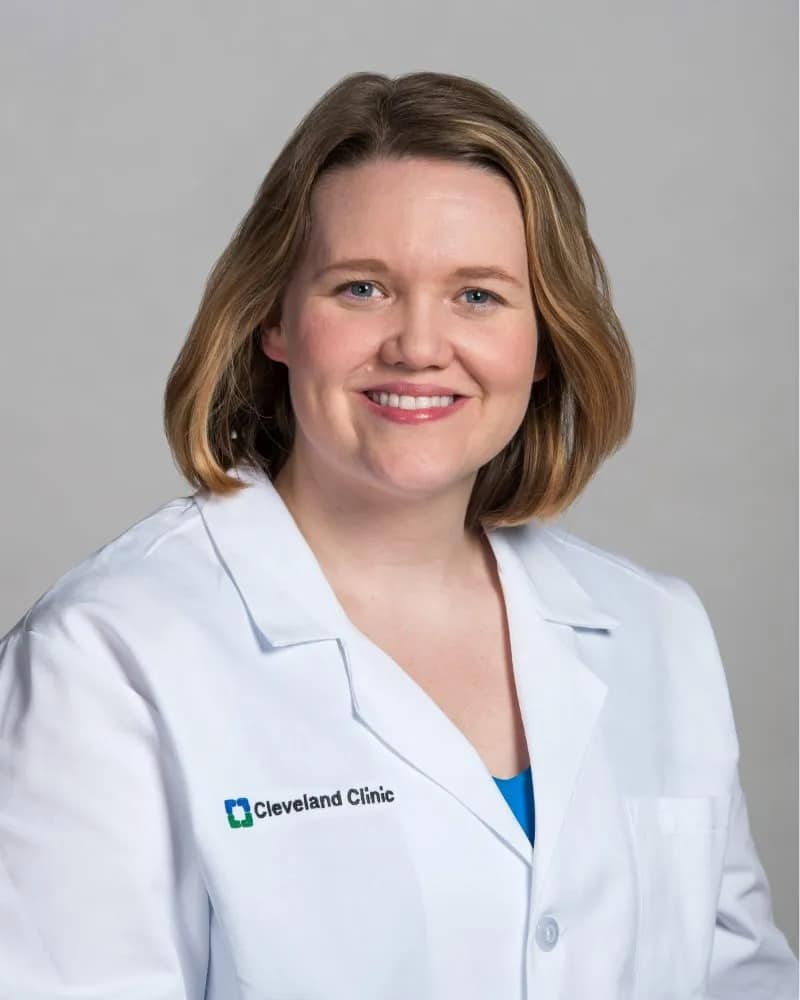
“The brain changes associated with Alzheimer’s occur up to 20 years before symptoms appear, so it’s never too early to start adopting a healthy lifestyle that reduces the risk,” says Jessica Caldwell, PhD, a neuropsychologist who is also trained in neuroscience.
Alzheimer’s disease is a brain disorder that progressively reduces people’s ability to think, learn, organise, carry out everyday activities and remember important details. According to the World Health Organization (WHO), Alzheimer’s is the most common form of dementia and may contribute to 60-70% of the 55 million cases of dementia worldwide. The WHO reports that there are nearly 10 million new cases of dementia every year, and this figure is expected to rise along with the growing proportion of older people in most countries.
Dr. Caldwell, who is director of the Cleveland Clinic Women’s Alzheimer’s Movement Prevention Center, says: “Alzheimer’s is a multifactorial disease. So, for example, in someone who develops the most common form, late-onset Alzheimer’s, the cause will probably be a combination of factors such as ageing, genetics, family history, general health, lifestyle behaviours and even environmental effects such as air pollution.”
Although researchers cannot conclusively pinpoint all the causes of Alzheimer’s, they have identified several modifiable risk factors associated with the disease, as well as several lifestyle habits that can boost brain function. Among these, Dr. Caldwell says she recommends three lifestyle tips in particular, as they offer multiple benefits and support overall health.
Dr. Caldwell adds that it’s never too late in life to adopt these three healthy habits, as they help maximise brain function for as long as possible and improve outcomes for those already diagnosed with cognitive impairment.

Dr. Caldwell’s top 3 tips
1. Exercise regularly: Exercise has immediate and long-term brain benefits, from boosting brain chemistry that supports healthy brain cells to reducing factors such as chronic inflammation in the body that can be harmful to the brain, says Dr. Caldwell. She adds that exercise also has indirect brain benefits: for example, it improves mood and sleep, reduces stress, supports heart health, increases opportunities to socialise, and lowers blood pressure, cholesterol and diabetes risk, all of which reduce the risk of memory decline with age.
“The goal of physical exercise for long-term brain health is at least 150 minutes of moderate-intensity activity a week, such as a brisk walk,” says Dr. Caldwell. “For healthy adults, more is better, so you could increase this to 300 minutes, and if you are under 60, high-intensity interval training (HIIT) is best for supporting healthy brain function.”
For people who haven’t exercised before, Dr. Caldwell recommends getting a doctor’s approval before starting a programme. She suggests finding a partner for accountability and motivation, or combining exercise with something you already enjoy, such as riding an exercise bike while watching TV or walking while listening to a podcast.
2. Get enough sleep: Poor sleep can have immediate and cumulative negative effects on brain function, says Dr. Caldwell. By contrast, good sleep improves mood, sharpens the intellect and consolidates new memories for long-term storage. “Sleep also gives our brain the chance to clear out waste, including beta-amyloid, a protein that can clump together to form Alzheimer’s plaque,” adds Dr. Caldwell. She recommends seven to eight hours of continuous sleep as a goal for adults.
3. Eat a balanced diet: Research shows that a Mediterranean-style diet rich in fish, whole grains, leafy greens, olives and nuts helps maintain brain health and may reduce the risk of Alzheimer’s, says Dr. Caldwell. She advises keeping red meat, fatty cheeses, butter, fried foods and sweets to a minimum, and limiting alcohol.
“Prevention is a young science, and we need more research and more volunteers to take part in studies. But what we have already discovered is invaluable in helping people live full lives into their 80s and beyond,” concludes Dr. Caldwell.

About Cleveland Clinic
Cleveland Clinic is a nonprofit multispecialty academic medical centre that integrates clinical and hospital care with research and education. Located in Cleveland, Ohio, it was founded in 1921 by four renowned physicians with a vision of providing outstanding patient care based on the principles of cooperation, compassion and innovation. Cleveland Clinic has pioneered many medical breakthroughs, including coronary artery bypass surgery and the first face transplant in the United States.
U.S. News & World Report consistently names Cleveland Clinic as one of the nation’s best hospitals in its annual “America’s Best Hospitals” survey. Among Cleveland Clinic’s 72,500 employees worldwide are more than 5,050 salaried physicians and researchers, and 17,800 registered nurses and advanced practice providers, representing 140 medical specialties and subspecialties. Cleveland Clinic is a 6,500-bed health system that includes a 173-acre main campus near downtown Cleveland, 21 hospitals, more than 220 outpatient facilities, and locations in northeast Ohio; southeast Florida; Las Vegas, Nevada; Toronto, Canada; Abu Dhabi, UAE; and London, England.
In 2021, there were 10.2 million outpatient visits, 304,000 hospital admissions and observations, and 259,000 surgeries across Cleveland Clinic’s health system. Patients came for treatment from every state and 185 countries.
Visit us at clevelandclinic.org. Follow us at twitter.com/ClevelandClinic. News and resources available at newsroom.clevelandclinic.org.
Find out more about AF Comunicación Estratégica and its clients
More stories
- Multidisciplinary care: a centralised model that speeds up the early detection of cancer
- TransUnion expands Juan Camilo Badel’s remit to strengthen its growth strategy in Central America, the Dominican Republic and Mexico TSI
- Cleveland Clinic is the first centre in Ohio to perform a nipple-sparing robotic mastectomy
- DiDi boosts connections with the Metro and Cable Car of Santo Domingo