
How should a person with diabetes eat over the Christmas holidays?
4 minutes read
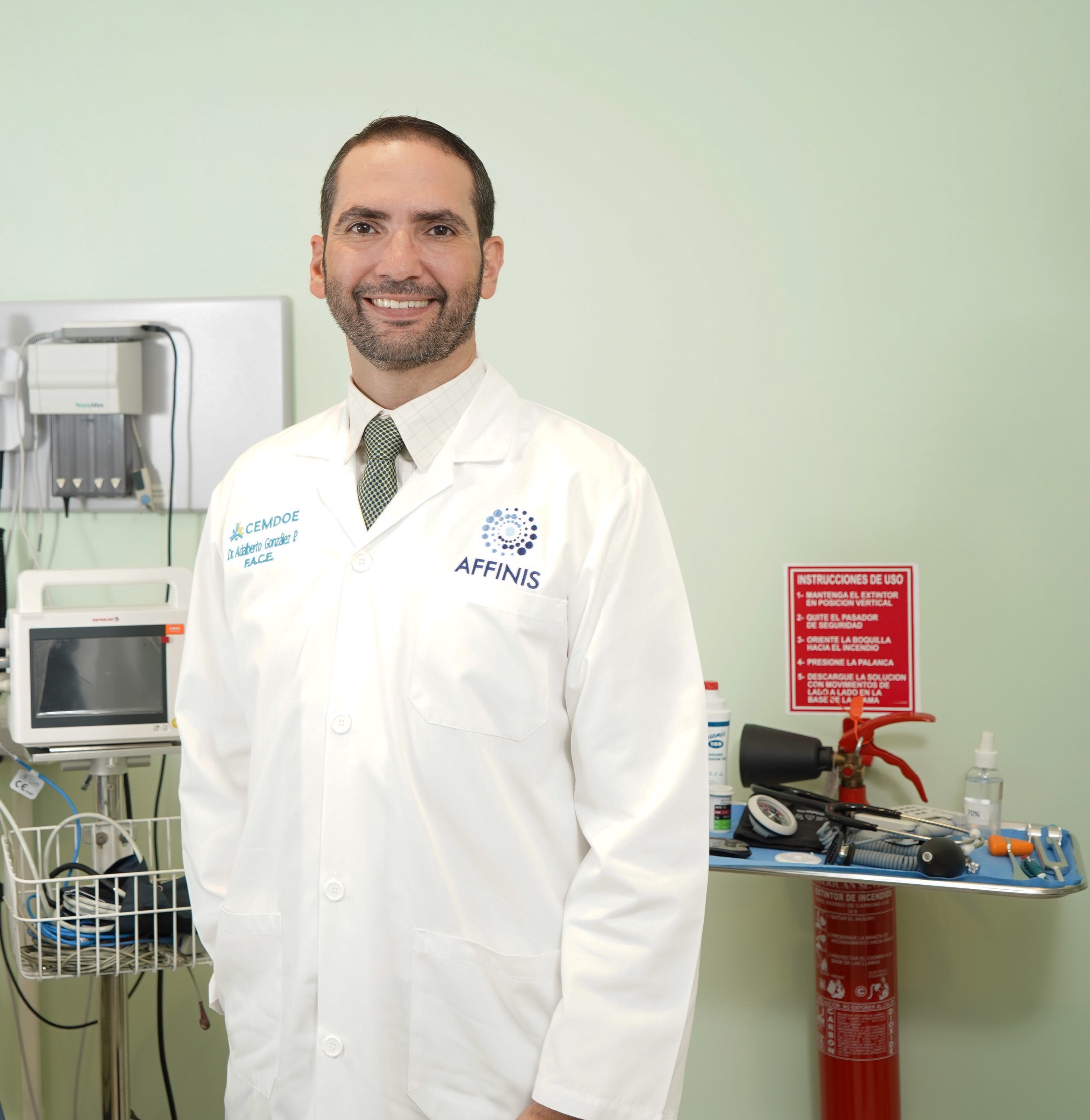
- Dr Adalberto González of the Diabetes, Obesity and Specialties Medical Centre (CEMDOE) explains how patients with diabetes can eat over the Christmas holidays.
How should a person with diabetes eat over the Christmas holidays?
Diabetes is a chronic non-communicable disease that occurs when the pancreas does not produce enough insulin or when the body cannot effectively use the insulin it produces.
Dr Adalberto González, Clinical Services Manager at the Diabetes, Obesity and Specialties Medical Centre (CEMDOE) and AFFINIS, explains that there are three types of diabetes: type 1 diabetes mellitus, formerly called insulin-dependent or juvenile diabetes; type 2 diabetes mellitus, also known as non-insulin-dependent or adult-onset diabetes; and gestational diabetes.
Each is triggered by a different factor, but something they have in common, and which is equally important for patients who have them, is diet. It should follow a healthy eating plan that means eating wholesome foods in moderate amounts and sticking to regular mealtimes, that is, three main meals and two snacks.
As the CEMDOE and AFFINIS specialist explains, with these factors in mind and the end-of-year holidays approaching, they want to raise awareness among people with diabetes about how to keep control of their diet over the festive season and so avoid their condition worsening.
In general, food at this time of year is high in carbohydrates, but ideally the total carbohydrate content of each Christmas meal should be similar to that of any other meal of the year, says Dr González.
Patients with diabetes are advised to follow an eating plan high in unprocessed nutrients and low in fat and calories. A suitable eating plan will help them control their blood glucose, high blood pressure, heart disease and cholesterol, as well as maintain a healthy weight.
Some dishes they might enjoy over Christmas include chargrilled or griddled vegetables and mixed salads with lettuce, spinach, cabbage and so on, dressed with nuts and different vinegars. Soups are another option.
Main dishes can be baked or griddled, avoiding fatty sauces, especially for people who are overweight. It is also advisable to watch quantities and avoid serving large portions. These dishes can be accompanied by salads and vegetables, which increase the feeling of fullness while providing fewer calories, fewer carbohydrates and some fibre.
For dessert, to replace or complement Christmas sweets, choose lighter options such as easily digestible fruit, which contains fewer carbohydrates and is just as tempting.
It is worth noting that sweets are not completely ruled out for these people; rather, they should be part of a healthy diet or eaten in combination with exercise. The key is to eat a very small portion of sweets and save them for special occasions, so that meals focus on healthier foods.
On another note, among the signature Christmas dishes and drinks, the following should be avoided: roast pork, pastelitos, quipes, croquettes, pasteles en hoja, Russian salad and eggnog. Dr González also advises drinking alcohol in moderation: ideally no more than one drink a day for women and no more than two drinks a day for men. That is equivalent to 12 ounces of beer (a small bottle), 5 ounces of wine or 1.5 ounces of spirits (rum, whisky, vodka, etc.).
This means these patients need to pay particular attention to what they eat and make sure there is a balance between their food, insulin and oral medication, and exercise. You may be wondering how to achieve that balance. The answer is simple: there are techniques that make it easier for a patient with diabetes to stick to a suitable eating plan, such as the “Plate Method”, carbohydrate counting and the glycaemic index. This diet should include 40-50% carbohydrates.
There is also the “Carbohydrate counting” method. If you keep track of how many grams of carbohydrate you eat and set a maximum limit, this can help keep your glucose levels within the desired range. Finding the right amount of carbohydrate will depend on many factors, including how much physical activity you do and what medication you are taking, if any.
Good nutrition helps patients develop habits and skills that give them greater control over their condition, concludes Dr Adalberto González, Clinical Services Manager at the Diabetes, Obesity and Specialties Medical Centre (CEMDOE) and AFFINIS.
More stories
- Multidisciplinary care: a centralised model that speeds up the early detection of cancer
- TransUnion expands Juan Camilo Badel’s remit to strengthen its growth strategy in Central America, the Dominican Republic and Mexico TSI
- Cleveland Clinic is the first centre in Ohio to perform a nipple-sparing robotic mastectomy
- DiDi boosts connections with the Metro and Cable Car of Santo Domingo