
The calcium score: what is it and what is it used for?
5 minutes read
- Dr Josué Hernández, of Médico Express, explains that the calcium score is a simple CT scan that measures calcium in the coronary arteries and helps predict the risk of a heart attack.
Santo Domingo. The calcium score is a simple, non-invasive test that measures the amount of calcium built up in the coronary arteries. This examination makes it possible to detect the risk of heart disease precisely before serious symptoms appear.
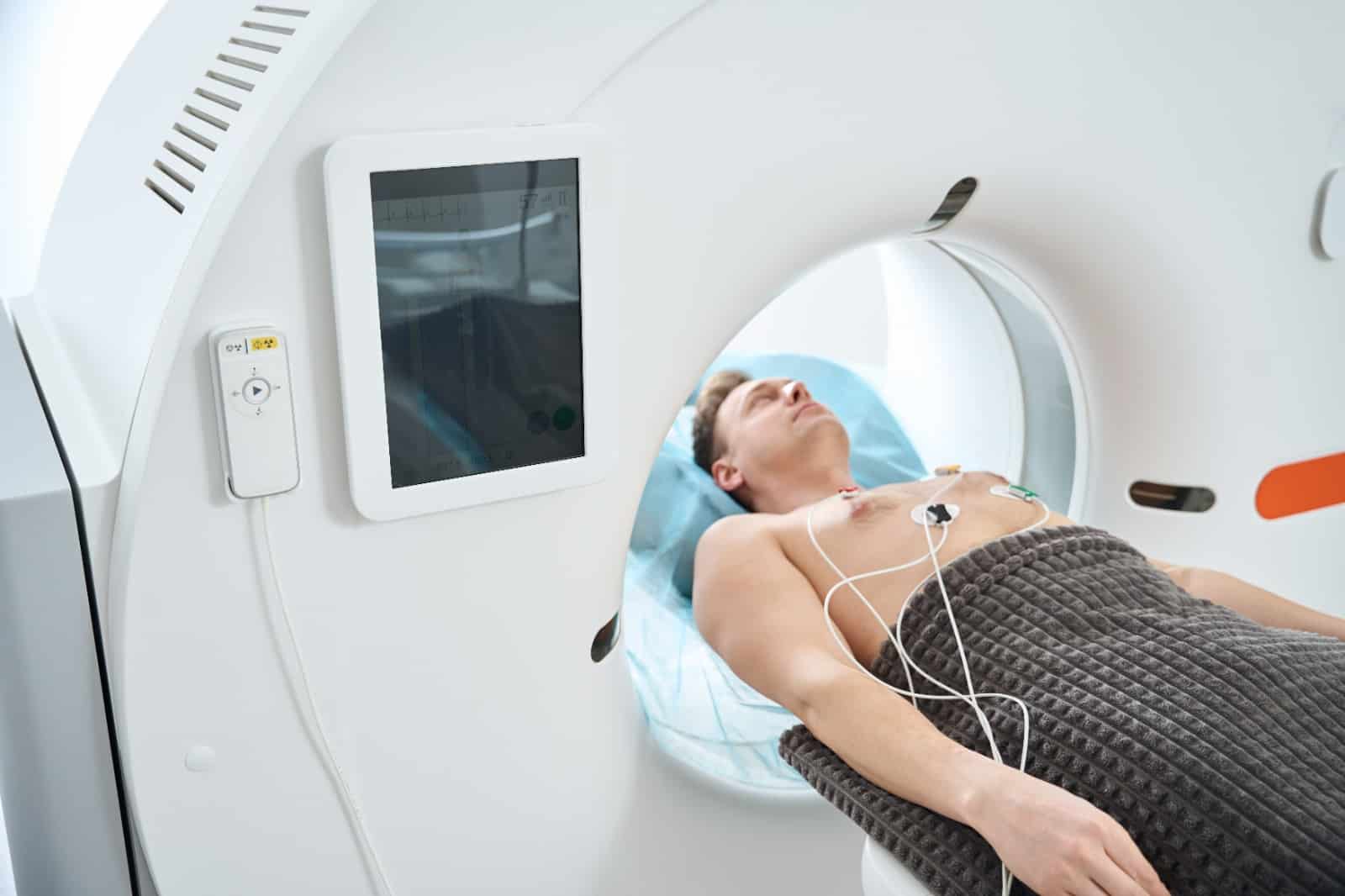
As Dr Josué Hernández, medical director of Médico Express and a specialist in emergency medicine, explains, this is a test obtained through a specialised cardiac CT scan (multislice CT) and it helps assess the risk of cardiovascular disease.
Hernández points out that the calcium score makes it possible to identify the presence of coronary atherosclerosis early. It serves as an indicator of the risk of a future heart attack or coronary event and makes it easier to take preventive, personalised measures to reduce that danger, such as the use of statins or lifestyle changes.
He points out that this is not the only tool for assessing cardiovascular risk, since there are also risk scores based on clinical and laboratory factors.
“Lipid tests, blood pressure and family history are equally crucial. The calcium score complements other assessments to give a more precise evaluation”, the doctor explains.
He says that, to measure the amount of the mineral in the coronary arteries during the examination, a CT scan is carried out without contrast. Specialised software detects and quantifies the areas containing the mineral. The result is expressed as a score that reflects the amount of the element present.
The specialist points out that there are many factors that can influence a rise in the calcium score, classified as unhealthy lifestyle habits, such as smoking and eating a diet high in fat, and clinical conditions such as high cholesterol, hypertension and diabetes.
He notes that genetic predisposition can also be decisive in raising it.
He suggests that people improve their diet, adopt a diet low in saturated fat and sugar, take regular, supervised physical exercise and, no less important, control risk factors such as blood pressure and cholesterol levels.
“Although the total score tends to build up over time, improving habits (diet, exercise, not smoking) can slow its progression; in addition, appropriate medical monitoring can stabilise or reduce new deposits”, says Dr Hernández.
He makes clear that this study is not an absolute prediction, but an estimate of cardiovascular risk. A high score suggests a greater danger of coronary events. It is used alongside other factors to estimate the likelihood of a heart attack.
He explains that this test is important because, if a high percentage is found, it would indicate a greater risk of heart problems in the future.
The examination takes little time, causes no pain and does not require an injection of contrast material.
How is a calcium score interpreted?
The result is given in numbers:
0 → No presence of the chemical element, symbol Ca (low risk).
1-99 → Small amount of calcium (mild risk).
100-399 → Moderate amount of calcium (moderate to high risk).
400 or more → High amount of calcium (high risk of a heart attack).
Who should have the test?
People aged 40 to 70 with an intermediate risk of cardiovascular disease.
Patients with risk factors such as hypertension, diabetes, high cholesterol or smoking.
People with a family history of heart disease.
The decision to carry out the test should be taken by a cardiology specialist on the basis of the patient’s clinical history and an assessment of their risk factors.
If you have any cardiovascular risk factor, talk to your doctor about the possibility of having a calcium score. This test can be a useful tool for identifying the risk of cardiovascular disease and taking steps to prevent it.
What is coronary CTA?
If the calcium score comes out high, the next recommendation is to have a coronary computed tomography angiography (CTA). This procedure, also non-invasive, uses advanced imaging to assess the coronary arteries and detect possible blockages.
It is an invaluable tool for preventing serious cardiac events, since it identifies problems that might go unnoticed in other examinations.
Important facts
Calcium is a mineral found in the human body, mainly concentrated in the bones and teeth, although it can also be found in body tissues, neurons, body fluids and blood.
It performs many functions, such as keeping bones and teeth healthy, helping with blood clotting, with the transmission of nerve signals, during muscle contraction and relaxation, with maintaining a normal heart rhythm and with the secretion of hormones.
Certain situations can cause a rise in the concentration of calcium in the blood, which can bring about noticeable changes in our bodies.
About Medico Express:
Médico Express is an innovative outpatient health centre designed, built and operated to international standards, offering comprehensive services under a care model centred on the patient and their family with high quality and safety.
The modern centre offers emergency care, a clinical laboratory, advanced medical imaging, preventive health, an international department, consultations in 40 specialities, outpatient surgery, endoscopy, ophthalmology, dentistry, vaccinations and telemedicine, among others.
Médico Express holds the distinction of being the health institution with the most certified medical tourism professionals in the world, the first health centre in Latin America certified by Fitwell, and a pioneer in Central America and the Caribbean in joining the Medical Tourism Association’s (MTA) global Better platform, to strengthen the country’s positioning as a health and wellness tourism destination.
More stories
- Multidisciplinary care: a centralised model that speeds up the early detection of cancer
- TransUnion expands Juan Camilo Badel’s remit to strengthen its growth strategy in Central America, the Dominican Republic and Mexico TSI
- Cleveland Clinic is the first centre in Ohio to perform a nipple-sparing robotic mastectomy
- DiDi boosts connections with the Metro and Cable Car of Santo Domingo