
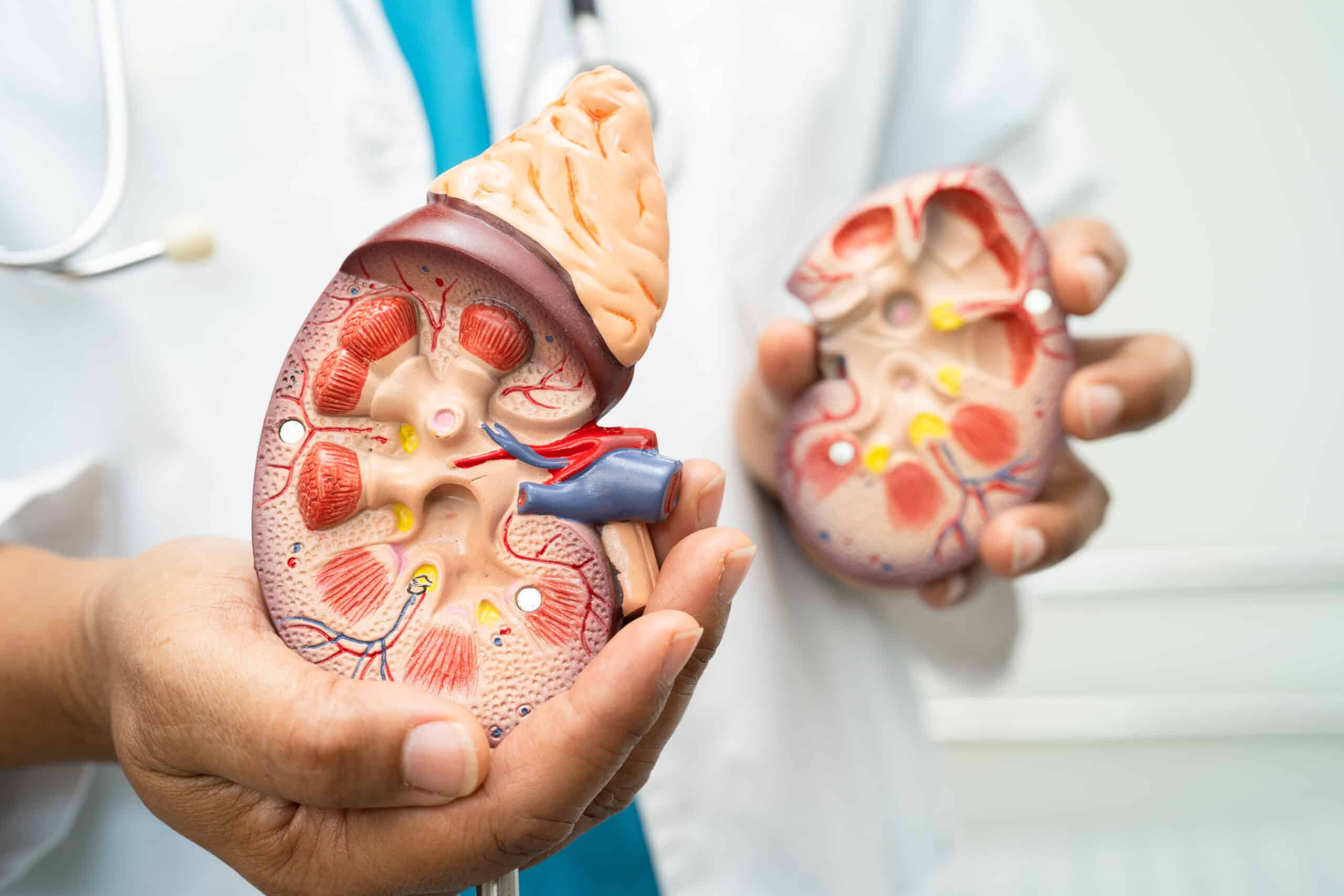
Cleveland Clinic reveals seven secrets for keeping your kidneys healthy
4 minutes read
- Nephrologist James Simon, of Cleveland Clinic, shares seven tips for keeping your kidneys healthy, from staying hydrated without overdoing it to controlling your blood pressure.
High blood pressure, diabetes or a family history of kidney failure put you at greater risk of developing kidney disease. But even if you fall into none of those risk categories, it is important to look after these critically important organs.
There are several things you can do to keep your kidneys as healthy as possible at every stage of life. A Cleveland Clinic expert sets them out:
- Stay hydrated, but do not overdo it. “Contrary to popular belief, no study has shown that over-hydration is an effective practice for improving kidney function”, says nephrologist James Simon, MD. So although it is always a good idea to drink enough water, drinking more than the usual four to six glasses a day will probably not help your kidneys do their job any better.
- Eat healthy food. Dr Simon points out that most kidney problems arise from other medical conditions such as high blood pressure, diabetes and cardiovascular disease. Because of this, he suggests following healthy eating habits to control weight and blood pressure. Preventing diabetes and high blood pressure will help keep your kidneys in good condition.
- Exercise regularly. Like a well-balanced diet, regular physical activity can prevent weight gain and high blood pressure. But be mindful of how much exercise you do, especially if you are out of condition. “Pushing yourself too hard when you are not in good shape can lead to serious problems, especially if you are at high risk of heart disease”, says Dr Simon. If you are at high risk of heart disease and do not exercise but want to start, talk to your doctor before beginning any new exercise programme.
- Be careful with supplements and herbal remedies. Excessive amounts of certain vitamin supplements and some herbal extracts can be harmful to the kidneys. Talk to your doctor about the vitamins and herbs you plan to take.
- Stop smoking (and vaping!). Smoking can damage the blood vessels, which reduces blood flow in the kidneys. When the kidneys do not have adequate blood flow, they cannot work at optimal levels. Smoking also increases the risk of high blood pressure, as well as the risk of kidney cancer. While vaping may not expose someone to many of the toxins in tobacco smoke, nicotine is still highly addictive and hard on the body, says Dr Simon. Besides, there are many chemicals in vaping solutions.
- Do not overdo over-the-counter medicines. “Common over-the-counter pills such as ibuprofen and naproxen (NSAIDs) can cause kidney damage if taken too regularly over a long period”, says Dr Simon. If you have healthy kidneys and use these medicines for occasional pain, they probably do not pose a risk. But he says that if you take them for chronic pain or arthritis, you should talk to your doctor about monitoring your kidney function or finding alternative ways to manage your pain.
- If you are at risk, have your kidney function tested regularly. “If you have diabetes, high blood pressure or cardiovascular disease, your doctor should screen for kidney dysfunction as part of routine care for those conditions”, says Dr Simon.
The most important thing you can do to keep your kidneys safe is to look after your body to reduce the chances of developing diseases that put pressure on your kidneys. “Eat healthily, exercise regularly and watch your weight”, Dr Simon reiterates. “These healthy practices are not new and they are definitely not specific to kidney health. Healthy kidneys like a healthy body”.
About Cleveland Clinic
Cleveland Clinic is a non-profit multispecialty academic medical centre that integrates clinical and hospital care with research and education. Located in Cleveland, Ohio, it was founded in 1921 by four renowned physicians with a vision of providing outstanding patient care based upon the principles of cooperation, compassion and innovation. Cleveland Clinic has pioneered many medical breakthroughs, including coronary artery bypass surgery and the first face transplant in the United States. U.S. News & World Report consistently names Cleveland Clinic as one of the nation’s best hospitals in its annual “America’s Best Hospitals” survey. Among Cleveland Clinic’s 81,000 employees worldwide are more than 5,743 salaried physicians and researchers and 20,160 registered nurses and advanced practice providers, representing 140 medical specialties and subspecialties. Cleveland Clinic is a 6,690-bed health system that includes a 173-acre main campus near downtown Cleveland, 23 hospitals, more than 276 outpatient facilities, and locations in southeast Florida; Las Vegas, Nevada; Toronto, Canada; Abu Dhabi, United Arab Emirates; and London, England. In 2023, there were 13.7 million total outpatient visits, 323,000 hospital admissions and observations, and 301,000 surgical cases across the Cleveland Clinic health system. Patients came for treatment from every state and 132 countries.
More stories
- Multidisciplinary care: a centralised model that speeds up the early detection of cancer
- TransUnion expands Juan Camilo Badel’s remit to strengthen its growth strategy in Central America, the Dominican Republic and Mexico TSI
- Cleveland Clinic is the first centre in Ohio to perform a nipple-sparing robotic mastectomy
- DiDi boosts connections with the Metro and Cable Car of Santo Domingo