
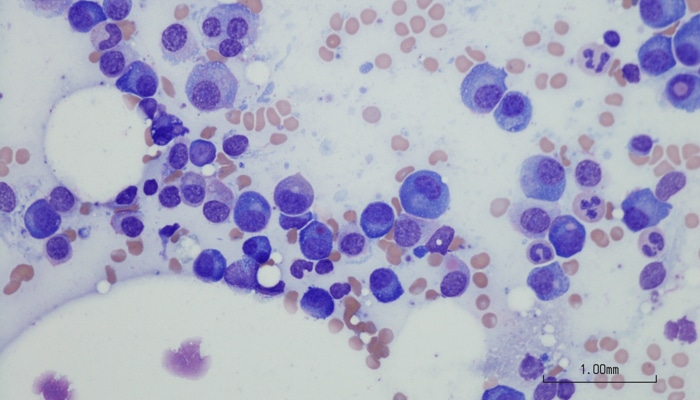
Multiple myeloma, a bone marrow cancer that has increased over the last 20 years, especially in low- and middle-income countries
5 minutes read
September: a crucial month for raising awareness of multiple myeloma and advances in its treatment.
It mostly affects people aged 60 to 80, men, people of African descent, those with a family history of the disease and people who are overweight or have obesity.
SANTO DOMINGO: Around the world, September is the month for raising awareness of the different types of blood cancer. One of them is multiple myeloma, a bone marrow cancer that has increased over the last 20 years, especially in low- and middle-income countries.
In 2020 alone, the World Health Organization reported that around 176,000 new cases of myeloma were diagnosed worldwide, with 117,000 deaths from the disease.

Bone marrow is a crucial part of the immune system, helping to protect the body from germs and infections. Multiple myeloma weakens the body’s immune response and can lead to infections. If untreated, it can also cause problems with the bones, kidneys and blood counts. Noopur S. Raje, MD, director of the Center for Multiple Myeloma at Mass General Cancer Center, answers the most frequently asked questions about the disease.
What causes multiple myeloma?
Multiple myeloma starts in the bone marrow as a plasma cell, a type of white blood cell.
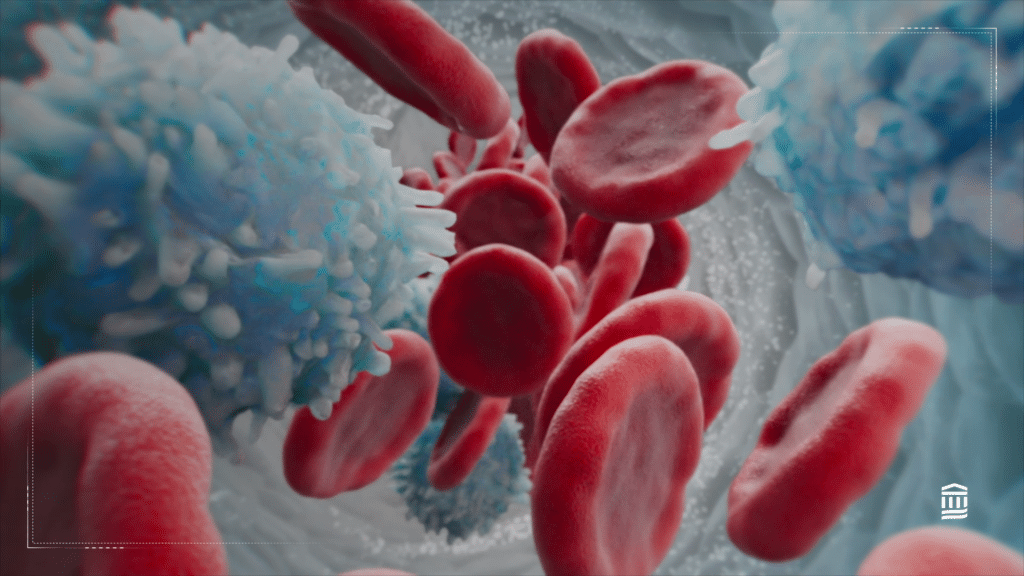
We don’t know what causes bone marrow cells to mutate (change) into myeloma cells, but once they have mutated, they reproduce much faster than normal cells. The underlying cause of the mutation may be linked to factors such as race, sex or family history. Some behavioural or environmental factors, such as occupation and exposure to certain chemicals or pesticides, may also play a part.
Risk factors for multiple myeloma
Multiple myeloma affects some populations more than others, including people aged 60 to 80, men, people of African descent, people with a family history of the disease, and people who are overweight or have obesity.
Symptoms
Common signs and symptoms of multiple myeloma can include weakness or exhaustion, loss of appetite or weight loss, confusion or “brain fog”, and back pain.
Less common or rare symptoms can include nausea, thirst, constipation and a frequent urge to urinate.
Over time, the symptoms of multiple myeloma can also lead to complications, including pain in the spine, hips or other bones; persistent infections such as pneumonia and skin, sinus and bladder infections; and kidney problems, including infections and kidney failure.
“No other type of cancer has seen so much progress. We are at an incredible moment in multiple myeloma research, and we are on a threshold where I believe we are already curing a significant proportion of patients,” says specialist Noopur S. Raje, MD, haematologist and medical oncologist at Mass General Cancer Center.
Diagnosis
Specialists can diagnose it through: blood tests, urine tests, bone marrow tests and imaging tests.
Examples of imaging tests used include: X-rays, which use small amounts of electromagnetic radiation to see inside the body and produce two-dimensional black-and-white images of the bones and internal organs.
MRI (magnetic resonance imaging) uses magnetic fields and radio waves to create very precise images of the inside of the body and detect disease or other abnormalities.
CT (computed tomography, sometimes called a “CAT scan”) uses ionising radiation to combine multiple X-ray “slices” into a layered three-dimensional image called a tomogram.
PET scans (positron emission tomography) use radioactive “tracers” that are swallowed, injected or inhaled to show the structure and function of cells and internal organs.
Treatments
For many years, chemotherapy was the standard treatment for multiple myeloma. However, traditional chemotherapy often caused unwanted side effects, including nausea, vomiting and hair loss.
Today, new cancer treatments have greatly reduced side effects and allow patients to live much more normally and for much longer. In the past, the life expectancy of patients with multiple myeloma was only 3 or 4 years.
“There have been many advances over the last 20 years,” says Dr. Raje. “We are using newer drugs to treat the same disease. We are using drugs in pill form, as well as more targeted approaches.”
Medicines for multiple myeloma
Modern medicines for multiple myeloma may include:
Monoclonal antibodies, antibodies made from cloned white blood cells. Antibodies are blood proteins the body makes to fight foreign invaders such as viruses, bacteria and other abnormal cells.
Proteasome inhibitors, drugs that can destroy myeloma cells by allowing excess proteins to build up.
Immunotherapies, medicines designed to activate immune cells and boost the body’s immune response.
“These new treatments allow us to turn it into a chronic disease in which side effects are increasingly non-existent,” says Dr. Raje. “In fact, patients can carry on with their lives and continue working full time while taking these medicines.”
CAR-T and cell therapies
Although many of these exciting treatment advances have changed lives, the ultimate goal is still to find a cure for the disease. Dr. Raje says much of her research and practice at Mass General Cancer Center has been at the forefront of these advances.
“We have many immunotherapeutic approaches to treating myeloma,” she says. “We have cell therapies such as CAR-T cells, and we now have two CAR-T cell products approved for treating patients with multiple myeloma.”
Raje says the treatment continues to show very promising results for the future, including very high response rates, of up to 80-90%, in myeloma patients. Many new treatments are still in development or being studied in clinical trials.
“All the new drugs for multiple myeloma have been approved by the FDA in the last 15 to 20 years,” she notes, “and that is remarkable progress for this disease. No other type of cancer has seen so much progress. We are at an incredible moment in multiple myeloma research, and we are on a threshold where I believe we are already curing a significant proportion [of patients].”
More stories
- Multidisciplinary care: a centralised model that speeds up the early detection of cancer
- TransUnion expands Juan Camilo Badel’s remit to strengthen its growth strategy in Central America, the Dominican Republic and Mexico TSI
- Cleveland Clinic is the first centre in Ohio to perform a nipple-sparing robotic mastectomy
- DiDi boosts connections with the Metro and Cable Car of Santo Domingo