
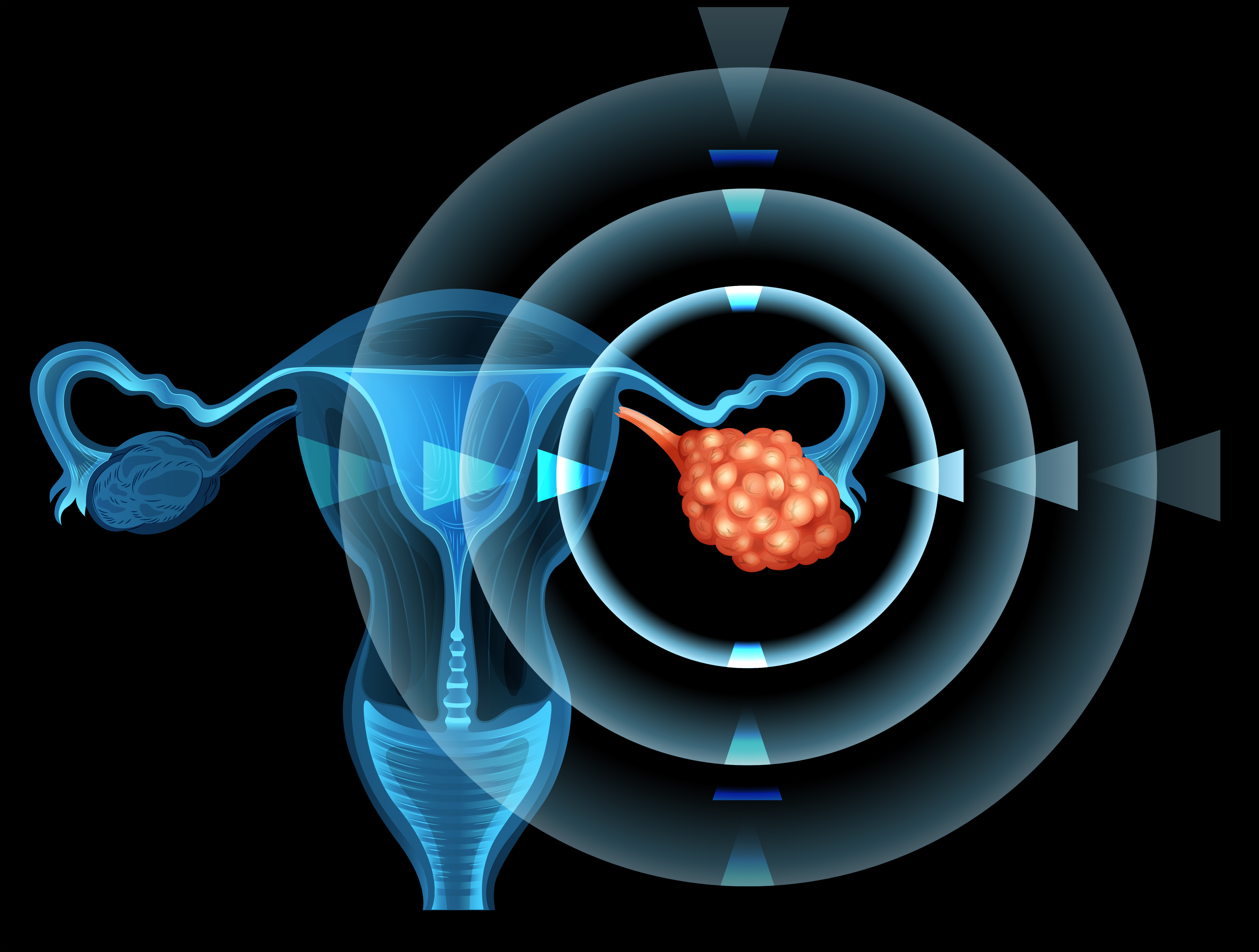
Not all ovarian cysts are cancerous: what you need to know for early detection
4 minutes read
- Ovarian cysts are often hard to detect without a thorough medical examination, but there are signs and symptoms women can look out for to help with early detection, especially women with a family history of cancer. The good news is that the vast majority of ovarian cysts are harmless, although not all are the same.
One of the most important signs of a possible ovarian cyst could be abdominal pain or discomfort that doesn’t seem normal. While it could be any of a number of conditions, it is worth getting checked to rule out an ovarian cyst, a small sac filled with fluid or tissue found on the ovary, which is actually very common.
Types of cysts
Functional cysts are the most common type of cyst and occur as part of the normal menstrual cycle due to ovulation. Occasionally, a functional cyst can fill with blood, causing it to swell and cause pain, but they are usually painless and go away on their own within a few months. Sometimes women are born with dermoid cysts, or teratomas, a type of cyst that can be filled with all kinds of things the body develops, such as hair, teeth and even brain tissue.
Polycystic ovary syndrome, a condition unrelated to other ovarian cyst conditions, consists of multiple small cysts (<1 cm) on both ovaries (a “string of pearls”) that show up on an ultrasound. Other types of cysts include cystadenomas, which start out growing like moles but can grow quite large and, if so, should be removed to make sure they are not cancerous. Endometriomas develop from endometriosis (a condition in which uterine cells grow outside the uterus) and can be very tender and painful.
Signs and symptoms
Benign or malignant ovarian cysts are usually asymptomatic and found incidentally. When there are symptoms, the most common are pressure in the pelvic or lower abdominal area, or pain. Sharp pain can also occur due to ovarian torsion, bleeding into the cyst or rupture of the cyst with or without intra-abdominal bleeding. Other symptoms have also been reported, such as urinary urgency or frequency, abdominal distension or bloating, and difficulty eating or feeling full quickly.
Cancerous cysts: malignant
In 2018, the global cancer burden was estimated to have risen to 18.1 million new cases and 9.6 million deaths, according to the World Health Organization’s International Agency for Research on Cancer (IARC). The results in the GLOBOCAN 2018 database show that one in six women worldwide develops cancer during her lifetime, and one in 11 women dies from the disease. Globally, the total number of people alive within five years of a cancer diagnosis, called five-year prevalence, is estimated at 43.8 million.
Fortunately, ovarian cancer is rare. “Despite the possibility of a cyst becoming cancerous, in most cases there is a 1 to 2 per cent risk,” says Francoise Veneroni, MD, an obstetrician-gynaecologist at Cleveland Clinic Florida. “Women who have certain genetic conditions such as BRCA1, BRCA2, Lynch syndrome or a family history should take precautions, as they are at greater risk of cysts becoming cancerous.”
How do you know if you have an ovarian cyst? Why do ovarian cysts develop?
Ovarian cysts are often small enough that most women don’t even realise they have one. Many cysts are diagnosed during annual check-ups or imaging tests carried out for unrelated reasons, and even when enlarged they can often go unnoticed.
As well as bloating or pain on one side of the lower abdomen, other symptoms can include pain during sex, changes in bowel movements or urinary habits, and painful periods, among others.
What happens if you have an ovarian cyst?
If a woman experiences several symptoms at the same time, it is important to see a doctor. If an ovarian cyst is found, a pelvic ultrasound helps show what is happening and, depending on the individual case, treatment options will be presented. A doctor may monitor the cyst over a period of time to see whether it goes away on its own.
If the cyst is larger than 10 centimetres and causes pain, or looks abnormal on the ultrasound, surgery may be needed. Severe pelvic pain, especially if it comes on quickly, is a sign to get help immediately. Since a twisted ovary can reduce or stop blood flow, the sooner medical care is sought, the better the chances of saving the ovary.
Having a working knowledge of this can also be helpful for women who experience sudden symptoms, especially if they have never really experienced them before.
More stories
- Multidisciplinary care: a centralised model that speeds up the early detection of cancer
- TransUnion expands Juan Camilo Badel’s remit to strengthen its growth strategy in Central America, the Dominican Republic and Mexico TSI
- Cleveland Clinic is the first centre in Ohio to perform a nipple-sparing robotic mastectomy
- DiDi boosts connections with the Metro and Cable Car of Santo Domingo