
Nutrition in modern times: planning with intention and putting self-care first
3 minutes read
- Clinical nutritionist Ángela Rosario, of Médico Express, argues for a varied diet that can be sustained over time as an act of self-care rather than a source of anxiety.
At a time marked by packed schedules, hurried decisions and a growing presence of extreme diets on social media, nutrition is once again taking its place as a pillar of overall wellbeing. Health experts say that healthy eating should not be understood as an imposition or a sacrifice, but as a conscious act of self-care that has an impact on both body and mind.
Ángela Rosario, clinical nutritionist at Médico Express, points out that eating well is not about following strict regimes, but about promoting a balanced, sustainable lifestyle. According to the specialist, a truly healthy diet is one that nourishes body, mind and spirit. To do so, it must be varied, balanced, culturally appropriate and, above all, sustainable over time.
“Eating should be an act of self-care, not a source of anxiety or guilt,” says Rosario, stressing that good nutrition helps prevent illness, raise energy levels and improve general quality of life.
Faced with the fast pace of modern life, Rosario emphasises that the key lies in planning with intention and putting self-care first. For many people, a lack of time looks like a barrier, but the specialist insists that eating well does not depend on the clock, but on the personal decision to take charge of your own health. Reading labels, making conscious decisions and choosing smart options can make a difference even in the most demanding routines.
One of the main enemies of a balanced diet is the habitual consumption of ultra-processed foods which, Rosario warns, are linked not only to conditions such as obesity, high blood pressure and type 2 diabetes, but also to mood changes, persistent fatigue and imbalances in the gut microbiome. “These foods affect our overall balance: they disrupt concentration, influence sleep and perpetuate harmful habits,” she says.
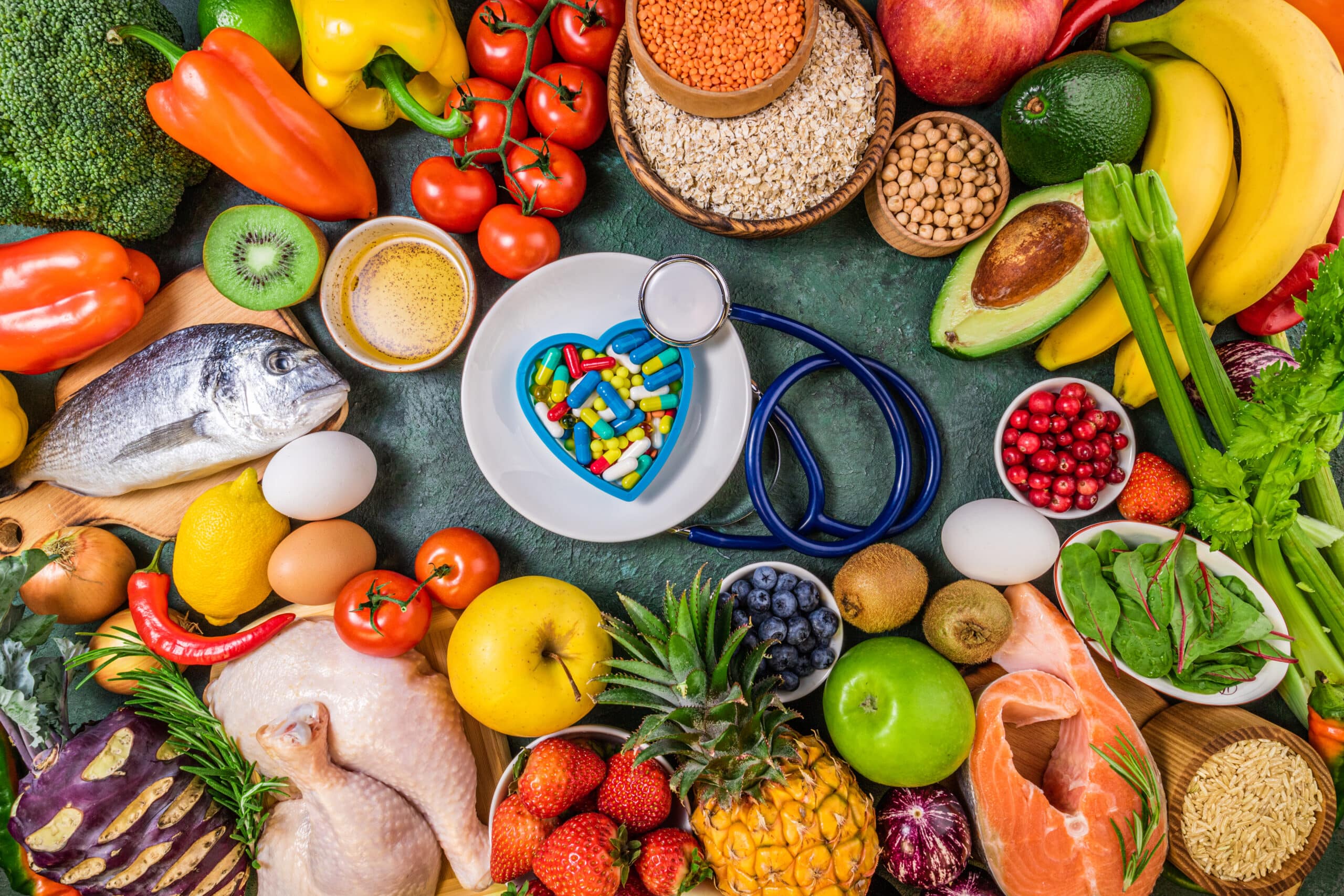
Contrary to common belief, a balanced diet does not have to be expensive. Rosario stresses that local, affordable products such as seasonal fruit, vegetables, pulses, wholegrains, eggs and drinking water are nutritionally valuable alternatives. Hence the importance of breaking with the myth that eating healthily is a privilege for the few.
On the role of social media, the specialist recognises that it cuts both ways. While it democratises access to information and encourages an interest in wellbeing, it can also cause confusion, promote extreme diets and feed insecurities through unattainable standards. Rosario therefore calls for critical thinking and for turning to certified professionals for personalised guidance based on scientific evidence.
On the use of food supplements, she clarifies that, while they can be useful at specific moments, they should not be used indiscriminately or replace a balanced diet. Their use, she explains, should be backed by clinical tests and micronutrient assessments that identify specific deficiencies and allow targeted intervention.
Nutritional support, according to the specialist, is beneficial at every stage of life. It is not limited to weight loss, but covers the prevention of illness, improving physical and intellectual performance, supporting medical treatment and building a healthy relationship with food.
About Médico Express
Médico Express is a modern outpatient care centre, designed, built and operated to international standards, with a model centred on the patient and their family.
It operates to high standards of quality and has been recognised by international bodies such as Global Healthcare Accreditation (GHA) and Fitwel, certifications that endorse its clinical excellence, safety and an environment that supports patient wellbeing.
It is strategically located on the San Isidro highway to meet the health needs of both the local population and visitors.
More stories
- Multidisciplinary care: a centralised model that speeds up the early detection of cancer
- TransUnion expands Juan Camilo Badel’s remit to strengthen its growth strategy in Central America, the Dominican Republic and Mexico TSI
- Cleveland Clinic is the first centre in Ohio to perform a nipple-sparing robotic mastectomy
- DiDi boosts connections with the Metro and Cable Car of Santo Domingo