
Patients with multiple myeloma now have more treatment options
2 minutes read
- A treatment that offers patients high rates of deep response and longer, better-quality survival.
Multiple myeloma is the second most common type of blood cancer and is incurable. Significant figures in the region warn that between 2012 and 2019, multiple myeloma cases rose by 153% in the Dominican Republic, 173% in Panama, 290% in Guatemala and 338% in Costa Rica.
There are approximately 2,700 cases of multiple myeloma in Central America and the Caribbean. The condition is complex to treat, as many patients become resistant to treatment and, as a result, often relapse after a time.
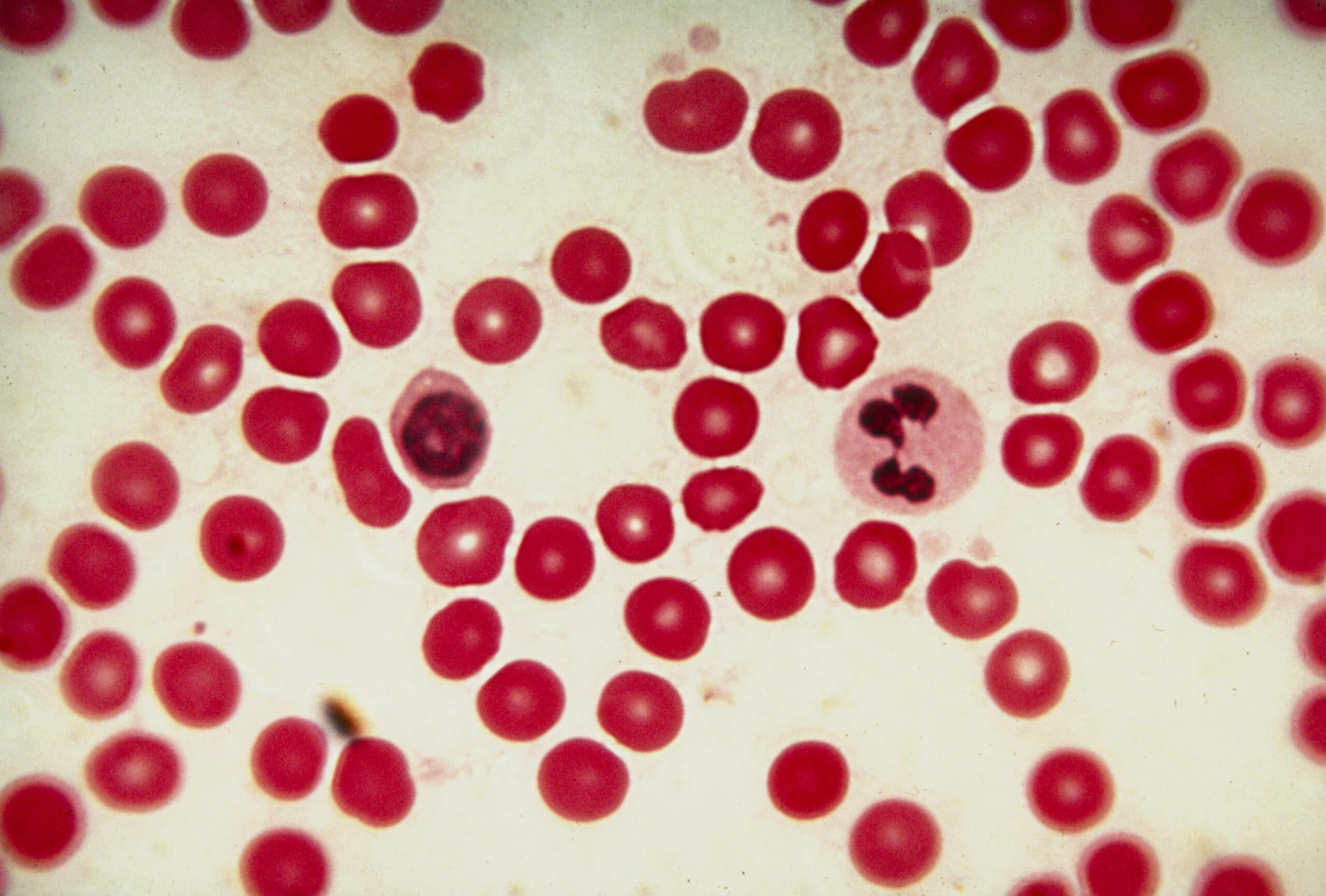
Multiple myeloma is a cancer of plasma cells. Normal plasma cells are found in the bone marrow and are an important part of the immune system, which is made up of various types of cells that work together to fight infections and other diseases.
The phase 3 MAIA scientific study evaluated the safety and efficacy of Daratumumab combined with lenalidomide and dexamethasone, showing a 44% reduction in disease progression or death and significantly increasing survival times for treated patients.
“Despite the difficulties in treating patients with multiple myeloma, new therapies such as Daratumumab, a monoclonal antibody, are helping patients with this still incurable disease. The molecule’s mechanism of action activates the patient’s immune response against cancer cells, bringing a new landscape of highly effective, well-tolerated regimens,” concluded Tiago Machado, Medical Manager at Janssen.
“As multiple myeloma can become more complex with each relapse, it is important to choose an effective initial therapy,” said Saad Usmani, M.D., FACP, Department of Hematologic Oncology and Blood Disorders, Levine Cancer Institute / Carolinas HealthCare System, and lead investigator of the MAIA study. “Daratumumab offers an important first-line treatment option for this patient population.”
Results from the first part of the study showed that 29% of patients who received Daratumumab achieved a stringent complete response, compared with 20% in the group receiving standard therapy. In addition, the use of Daratumumab resulted in a 53% reduction in the risk of disease progression or death compared with standard therapy after 18.8 months of follow-up.
More stories
- Multidisciplinary care: a centralised model that speeds up the early detection of cancer
- TransUnion expands Juan Camilo Badel’s remit to strengthen its growth strategy in Central America, the Dominican Republic and Mexico TSI
- Cleveland Clinic is the first centre in Ohio to perform a nipple-sparing robotic mastectomy
- DiDi boosts connections with the Metro and Cable Car of Santo Domingo