
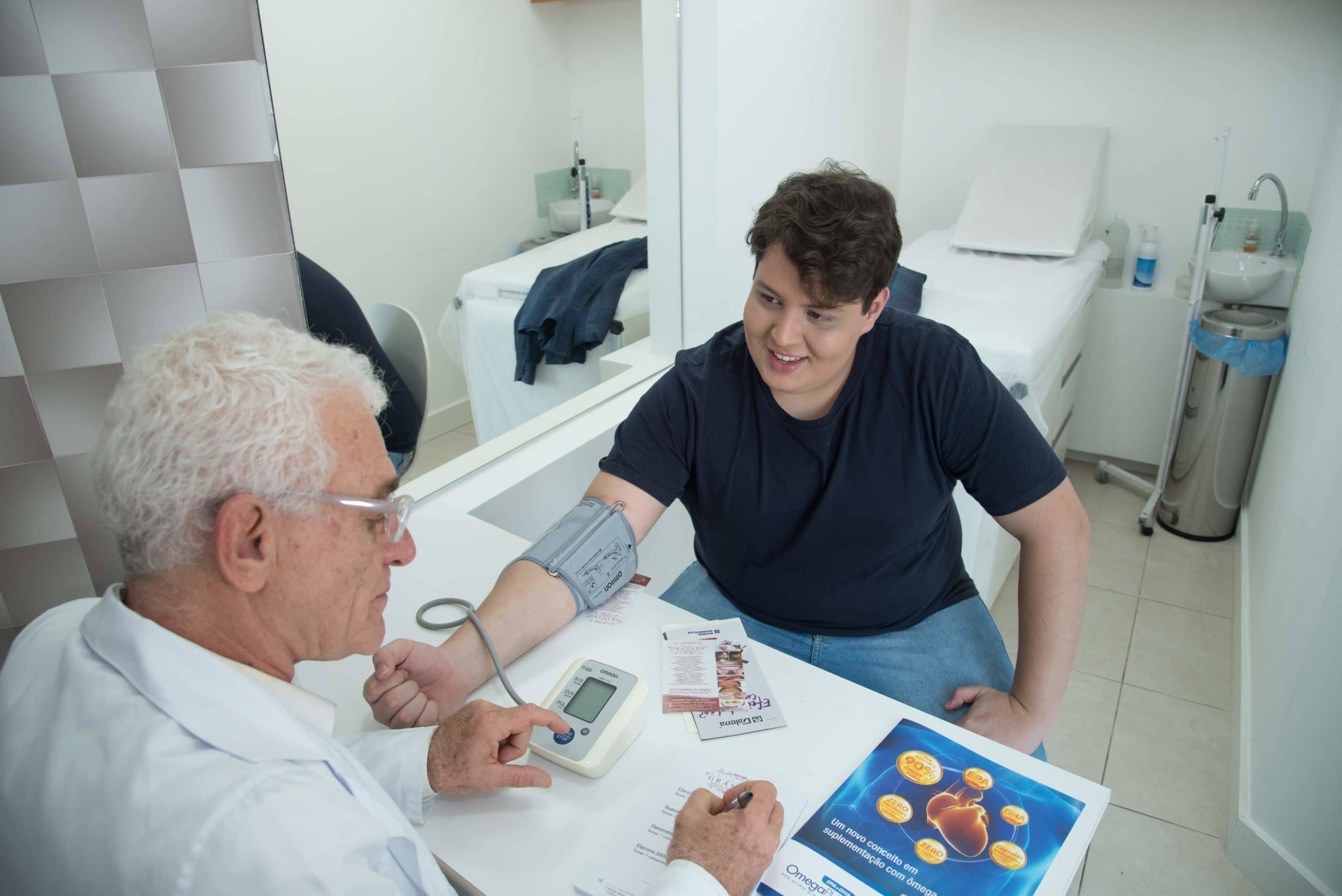
People with obesity are at greater risk from COVID-19
3 minutes read
- Obesity is a global health problem affecting more than 800 million people.
- The World Health Organization (WHO) notes that obesity and overweight can cause diabetes5, high blood pressure or heart disease1 which are risk factors for COVID-19.
Santo Domingo, April 2020. Is there a link between obesity and COVID-19? Yes: obesity can lead to conditions that are risk factors for coronavirus. So if a person with obesity is diagnosed with COVID-19, they are highly likely to suffer serious complications.
Obesity is an abnormal build-up of fat in the body1 and is associated with excess weight, unhealthy eating, limited physical activity and poor health care, but there is more complex and less well-known science behind it. It is a chronic disease that requires long-term treatment. 2
The World Health Organization (WHO) notes that obesity can cause diabetes5, as well as other medical conditions such as high blood pressure or heart disease1, which are risk factors for COVID-19.
It can also lead to other conditions such as hypoventilation syndrome and a higher risk of asthma, and excess weight could compress the lungs, reducing their volume 6, leading to greater complications if the virus is contracted.
“We must be aware that overweight and obesity are not an aesthetic problem; they go much further. Because of the conditions that come with them, the risk of complications multiplies when people are exposed to a virus or other conditions,” said Victor Nolazco, Medical Manager at Novo Nordisk Central America and the Caribbean.
According to the WHO, approximately 1 in 6 people who contract COVID-19 become seriously ill and have difficulty breathing. These are people with underlying medical conditions such as high blood pressure, heart problems or diabetes7.
“People who are overweight or obese may have compromised immune, cardiovascular or respiratory systems as a result of their condition, which means that when facing a condition like COVID-19, their bodies have fewer resources to fight the disease and therefore a higher risk of complications. For example, a person with diabetes may have damage to organs such as the kidneys or heart, so if these organs are already compromised, fighting an infection like COVID-19 may not be possible for their body,” said Nolazco.
What should you do now?
If you or a family member is living with overweight or obesity, it is important to follow all the prevention recommendations given by experts at this time:
- Wash your hands properly
- Social distancing
- Keep taking the medication your doctor has prescribed for any conditions you have, for example diabetes, hypertension or asthma medication
- See a doctor if you notice any COVID-19 symptoms.
And as soon as possible, when health measures allow, try to seek medical help to focus on achieving a healthier weight: losing just 5% of your current weight will considerably reduce the risk of developing other chronic diseases3 “The involvement of health professionals in treatment to combat obesity is extremely important, as this is not an aesthetic issue; there are many risk factors that raise the mortality of people living with obesity,” said the expert.
About Novo Nordisk
Novo Nordisk is a global healthcare company with 95 years of innovation and leadership in diabetes care. This heritage has given us experience and capabilities that also enable us to help people defeat obesity, haemophilia, growth disorders and other serious chronic diseases. Headquartered in Denmark, Novo Nordisk employs approximately 43,200 people in 80 countries and markets its products in more than 170 countries. For more information, visit www.novonordisk.com Facebook, Twitter, LinkedIn, YouTube.
References
1World Health Organization: Obesity and overweight (February 2018) https://www.who.int/es/news-room/fact-sheets/detail/obesity-and-overweight
2American Medical Association House of Delegates. Recognition of obesity as a disease. Resolution 420 (A 13). http://www.npr.org/documents/2013/jun/ama-resolution-obesity.pdf Received May 15, 2013. Accessed October 2019.
3 Wright SM, Aronne LJ. Causes of obesity. Abdom Imaging. 2012;37(5):730-732.
4 Guh DP, Zhang W, Bansback N, et al. The incidence of co-morbidities related to obesity and overweight: a systematic review and meta-analysis. BMC Public Health. 2009;9(88):1-20.
5World Health Organization: Obesity and diabetes, the slow-motion disaster (October 2016) https://www.who.int/dg/speeches/2016/obesity-diabetes-disaster/es/
6 P. de Lucas Ramosa, JM. Rodríguez González-Moroa, Y. Rubio Socorroa. Obesidad y función pulmonar. Arch Bronconeumol 2004;40(Supl 5):27-31
7 World Health Organization: Q&A on coronavirus disease (COVID-19) https://www.who.int/es/emergencies/diseases/novel-coronavirus-2019/advice-for-public/q-a-coronaviruses
More stories
- Multidisciplinary care: a centralised model that speeds up the early detection of cancer
- TransUnion expands Juan Camilo Badel’s remit to strengthen its growth strategy in Central America, the Dominican Republic and Mexico TSI
- Cleveland Clinic is the first centre in Ohio to perform a nipple-sparing robotic mastectomy
- DiDi boosts connections with the Metro and Cable Car of Santo Domingo