

Seven New Year’s resolutions to improve your heart health
7 minutes read
- Resolve to move a little more, drink a little less, eat a little healthier, sleep a little better and de-stress a lot.
January 2024. Do you want your New Year’s resolutions to really count in 2024? Some of the most common pledges are eating healthier, exercising more, reducing stress or quitting smoking.
“Common resolutions at this time of year often come down to improving heart health, even if that isn’t necessarily your initial intention,” says interventional cardiologist Leslie Cho, MD.
Sticking to these goals can help you improve your heart health in the long term. That’s why Dr. Cho recommends making seven heart-healthy resolutions that will serve you all year long, and beyond.
- Check on your health and your heart
Getting a medical check-up is important for everyone, including you. Why? Because heart disease is the No. 1 cause of death in the world.
“Going for a check-up is always a good thing,” says Cho, who sees many patients who haven’t been to the doctor in years. “It’s an opportunity to talk to your healthcare provider about any health concerns you have.”
They are trained to detect and manage health problems, including chronic diseases such as heart disease, which don’t always come with visible symptoms. During a physical exam, they will keep track of important heart-related data, such as:
- Blood pressure
- Blood sugar levels
- Cholesterol levels
- Heart rate
They will also ask about your health habits, such as how often you are physically active, what your diet is like and whether you drink, smoke or use drugs, all of which play an important role in heart health.
- Resolve to move more and get your body active
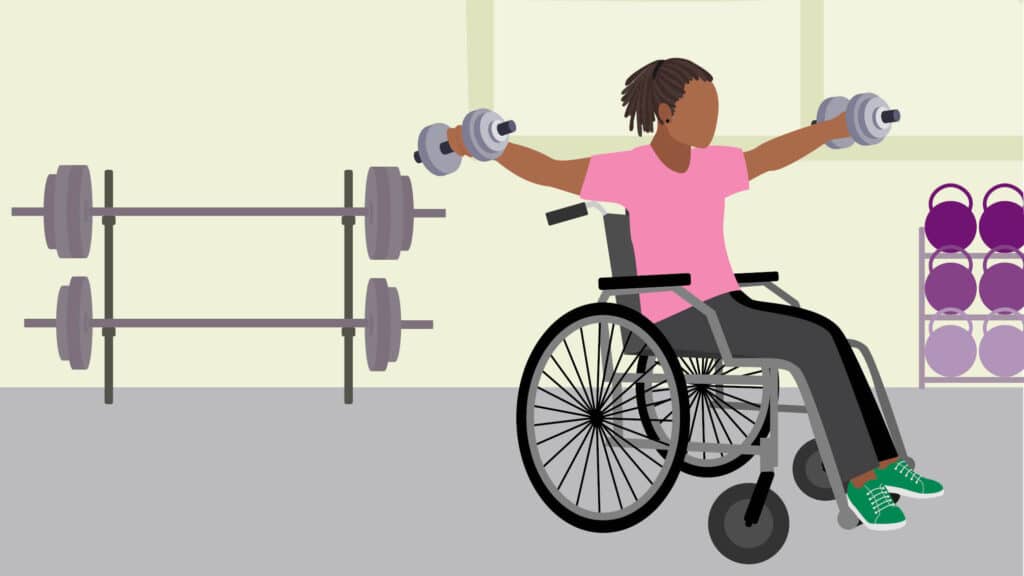
You already know that exercise is good for you, but while you probably associate exercise with a toned figure and stronger muscles, it also does a lot of good inside your body.
“Exercise lowers cholesterol and blood pressure, which are major risk factors for heart disease,” says the cardiologist. “It’s also great for your mental health and has a dramatic impact on your likelihood of developing diabetes.”
But don’t let the idea of increasing your activity levels overwhelm or discourage you. Small steps can have a big effect on your heart health.
“Maybe exercise means getting out of the lift one floor before your destination and climbing that extra flight of stairs,” suggests the specialist. “Maybe it means parking further from your office entrance and walking a little more. These little things make a big difference.”
- It’s time to follow a healthy diet

What you eat plays a very important role in your risk of heart disease, but the Cleveland Clinic specialist doesn’t want you to think of it as a strict diet that restricts you and that you don’t enjoy.
“Adopting truly healthy eating habits isn’t a diet, it’s a lifestyle,” she says. “You’re not just eating for each individual day; you’re eating for longevity and a better quality of life.”
Research the elements of a heart-healthy diet and find out where you need to make changes. Whether you decide to go fully vegetarian in the new year, start incorporating more plant-based foods or finally tackle your sweet tooth, changes to your diet can go a long way towards improving your heart health.
- Reduce stress
When you feel overwhelmed and exhausted, it isn’t only your mental health that suffers. “Stress is a really potent risk factor for heart disease,” warns Dr. Cho. “People who are very anxious tend to have more heart attacks and strokes.”
Stress produces the hormone in the body that makes blood pressure and heart rate soar, which can lead to a heart attack and stroke. Stress also affects your whole lifestyle, making you eat more, sleep less and perhaps even drink more alcohol.
This year, try making time in your day for things that help you relax. You could meditate, talk to friends, go for a walk or read a book. And of course, as we mentioned, there is always exercise, which releases the stress-reducing hormones known as endorphins.
Need a little extra help? The internet can sometimes raise your stress levels (take a break from social media!), but it also has the potential to be a tool for good. There are many websites and apps that can help you stay calm by adopting practices such as meditation, reflection and breathwork.
- Get more and deeper rest
Skimping on sleep can cause all kinds of problems for your heart. “Consistently sleeping less can raise blood pressure and cause inflammation,” explains Dr. Cho. “The part of the brain that is activated during sleep deprivation is close to the part that controls hunger, so we know that if you don’t sleep, you eat more.”
Not getting enough sleep can also contribute to high blood pressure, atrial fibrillation and heart failure.
To get more sleep, try:
- Cutting down on caffeine in the afternoon and evening
- Putting your phone away at least an hour before bed
- Sleeping in a cool, dark room.
- Quit smoking
If you smoke or use other nicotine products, resolve to kick the habit in the new year. Doing so is great for your whole body, including your heart.
“Smoking is very bad for the heart,” stresses the Cleveland Clinic cardiologist. “Truly, it’s one of the worst things you can do, not only for your heart but for your health in general, including your lungs and brain.”
She also warns that the risks associated with smoking are additive, adding to any existing risk factors you may have.
“If you smoke and have high cholesterol, you double your risk,” she says. “The same goes if you smoke and have high blood pressure, or if you smoke and have high cholesterol.”
Quitting smoking can significantly lower blood pressure and heart rate and work wonders for your overall health and quality of life.
- Cut down on alcohol
Alcohol has undeniable effects on the heart, such as:
- Speeding up your heart rate
- Raising your blood pressure
- Causing irregular heartbeats
Drinking a lot of alcohol can also raise triglycerides, a type of fat in the body. “Alcohol is made of sugar, so people who drink a lot of alcohol have very high triglycerides,” notes Cho. “High triglyceride levels increase the risk of diabetes and pancreatitis, and high triglycerides in women increase the risk of stroke.”
In addition, drinking less alcohol can help you sleep better and reduce stress. It can even help you lose weight by cutting the number of empty calories you consume. Try to reach and maintain a healthy weight.
But there is a reason why this list of heart-healthy resolutions doesn’t include losing weight as a resolution in its own right. When you resolve to do the other things on this list, you put your body in a better position to reach its healthiest weight.
This can reduce the risk of:
- Heart disease
- Stroke
- Diabetes
- High blood pressure
- High cholesterol and triglycerides
- Blood clots
“Losing three to five kilos can have a significant impact on your blood pressure, your diabetes risk, your cholesterol level and more,” adds the cardiologist. Weight loss is often a natural by-product of eating healthily, moving more and looking after your health, which is why Dr. Cho emphasises focusing on lifestyle changes rather than dieting (and definitely steering clear of fad diets).

About Cleveland Clinic
Cleveland Clinic is a nonprofit multispecialty academic medical centre that integrates clinical and hospital care with research and education. Located in Cleveland, Ohio, it was founded in 1921 by four renowned physicians with a vision of providing outstanding patient care based on the principles of cooperation, compassion and innovation. Cleveland Clinic has pioneered many medical breakthroughs, including coronary artery bypass surgery and the first face transplant in the United States.
U.S. News & World Report consistently names Cleveland Clinic as one of the nation’s best hospitals in its annual “America’s Best Hospitals” survey. Among Cleveland Clinic’s 72,500 employees worldwide are more than 5,050 salaried physicians and researchers, and 17,800 registered nurses and advanced practice providers, representing 140 medical specialties and subspecialties. Cleveland Clinic is a 6,500-bed health system that includes a 173-acre main campus near downtown Cleveland, 21 hospitals, more than 220 outpatient facilities, and locations in northeast Ohio; southeast Florida; Las Vegas, Nevada; Toronto, Canada; Abu Dhabi, UAE; and London, England.
In 2021, there were 10.2 million outpatient visits, 304,000 hospital admissions and observations, and 259,000 surgeries across Cleveland Clinic’s health system. Patients came for treatment from every state and 185 countries.
Visit us at clevelandclinic.org. Follow us at twitter.com/ClevelandClinic. News and resources available at newsroom.clevelandclinic.org.
Find out more about AF Comunicación Estratégica and its clients
More stories
- Multidisciplinary care: a centralised model that speeds up the early detection of cancer
- TransUnion expands Juan Camilo Badel’s remit to strengthen its growth strategy in Central America, the Dominican Republic and Mexico TSI
- Cleveland Clinic is the first centre in Ohio to perform a nipple-sparing robotic mastectomy
- DiDi boosts connections with the Metro and Cable Car of Santo Domingo