The road to an emissions-free future: pep+
4 minutes read
- PepsiCo Latin America announces a 27% reduction in greenhouse gas (GHG) emissions in its manufacturing and transport operations.
- To mark Earth Day, the company is taking action to reduce its carbon footprint in the region through its pep+ strategic transformation.
- The company has committed to net-zero emissions by 2040, a decade earlier than called for in the Paris Agreement.
April 2023.– PepsiCo, Inc. (NASDAQ:PEP) To mark International Earth Day, PepsiCo is sharing the actions that are enabling it to lead the way towards a carbon-free future in Latin America. The company is committed to building a sustainable and resilient food system. An essential part of this work is decarbonising its value chain: from how it grows its ingredients to how it makes and transports its products.
Today, PepsiCo Latin America is investing in sustainable solutions that allow it to secure its growth while reducing its carbon emissions.
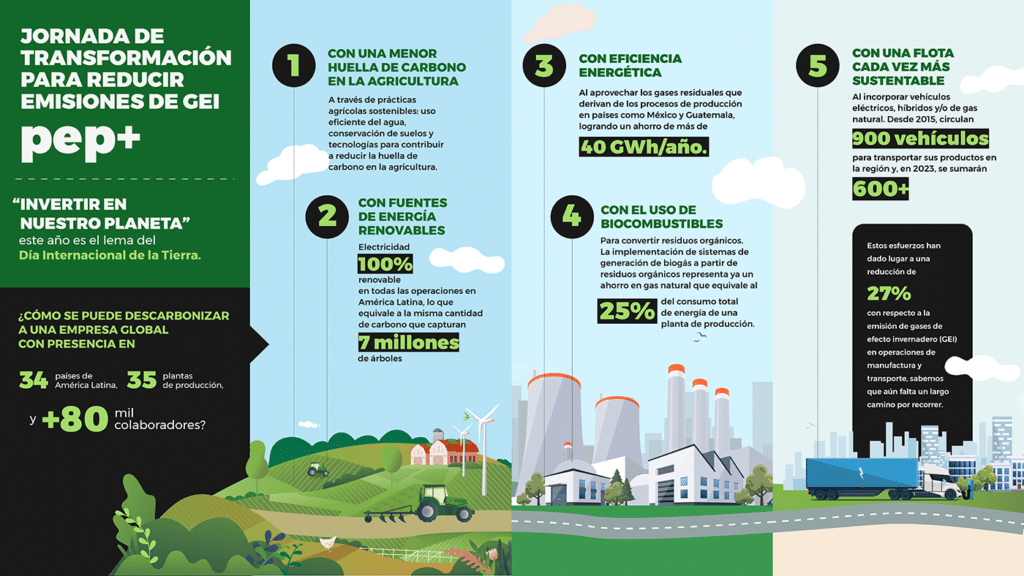
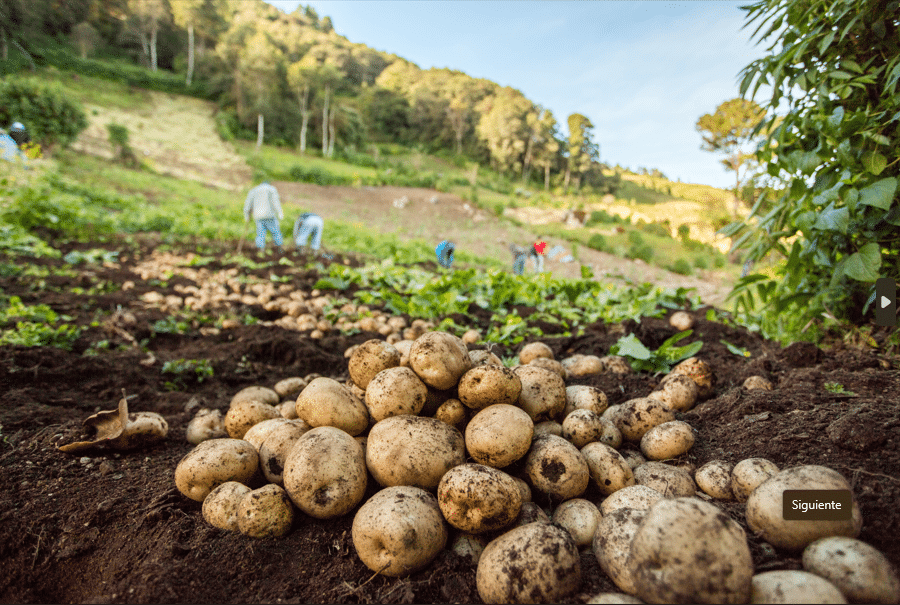
As an agri-food company, the starting point for these efforts is the field. PepsiCo is working to implement regenerative farming practices that include efficient water use, soil conservation, the use of new fertilisers and cutting-edge technology to help reduce the carbon footprint of agriculture. In recent years, the company has made major efforts to reduce GHG emissions from potato farming – one of its most important ingredients – and is already working to achieve similar results in wheat farming in the region.
In Latin America, PepsiCo leads by example: since 2021, the company has used 100% renewable electricity in all its operations in the region. This saves more than 180,000 tonnes of CO2 emissions, equivalent to the carbon captured by 7 million trees. In addition, with photovoltaic panels installed at ten of its facilities in Latin America, the company produces around 6.5 GWh a year.
The use of biofuels is another initiative PepsiCo Latin America has launched to turn its waste into energy and cut emissions. The company plans to introduce systems that generate biogas from organic waste (potato and plantain peels, potato starch, etc.) through biological treatment processes. The biogas will then be used at the same manufacturing plants to replace fossil fuels. This project is already being implemented at a plant in the Dominican Republic, where natural gas savings are estimated to account for 25% of total energy consumption. This innovative system will also be introduced in Mexico, Brazil and Guatemala.
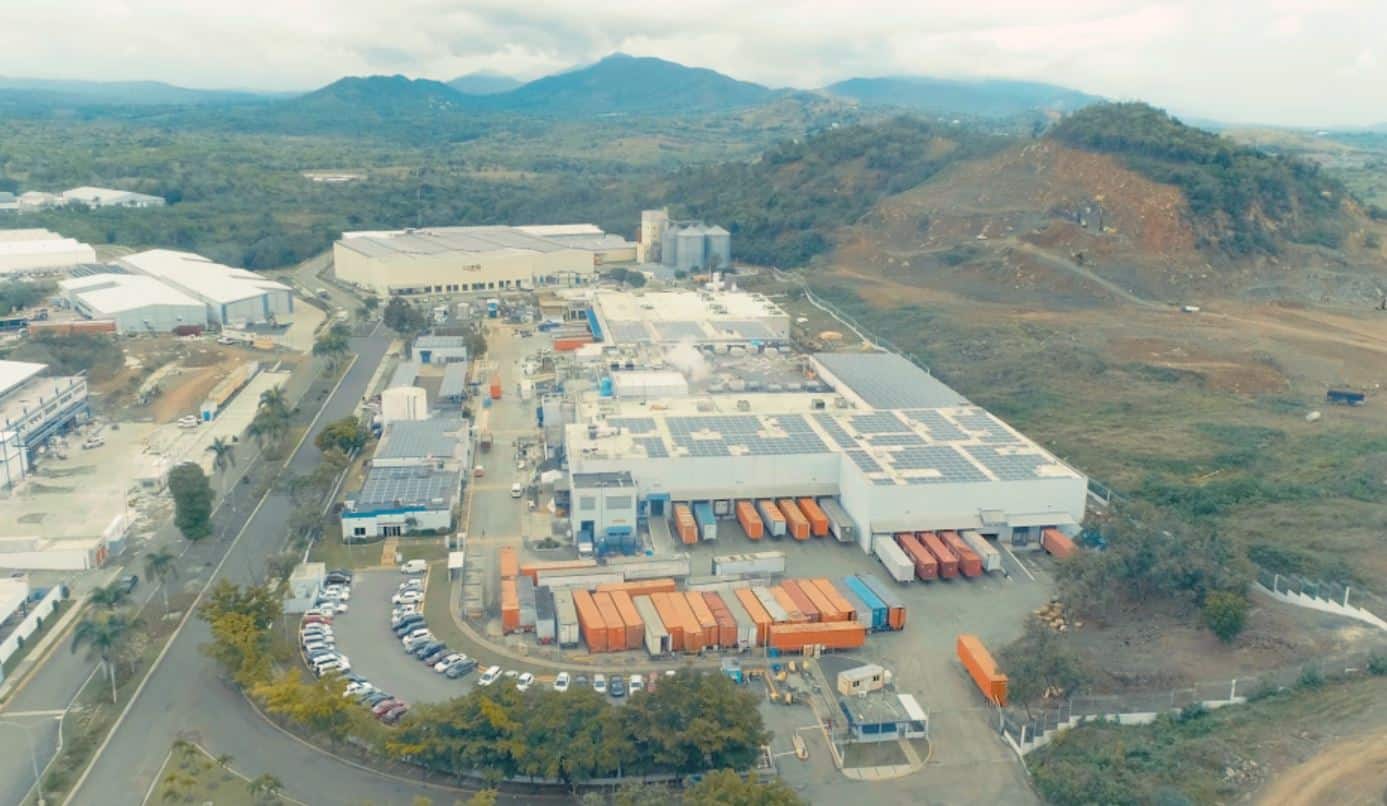
The company adds energy efficiency in its operations to these actions. PepsiCo has various environmental sustainability projects under way in every market in the region. One example is the use of waste gases from production processes in countries such as Mexico and Guatemala to produce cold and/or hot water. This saves more than 40 GWh a year, representing 4% of the total energy consumption of the 11 plants where the project operates.
PepsiCo Latin America’s efforts to decarbonise its value chain also include acquiring an increasingly sustainable fleet (electric, hybrid and/or natural gas vehicles), which has allowed the company to reduce its carbon footprint in practically every Latin American country where it operates. Since 2015, PepsiCo has put ~900 vehicles into service to transport its products in the region and plans to add 600 more during 2023 to advance the transition to a cleaner, more efficient fleet. Vehicle fuel efficiency is also an important part of the improvements the company is investing in.
“Invest in our planet” is this year’s theme for Earth Day, a day to focus on the impact our actions have on the planet. This same idea is at the heart of pep+, the strategic transformation the company is carrying out across all its operations – with sustainability at its core – to create value while inspiring positive change for the planet and people. In its manufacturing and transport operations, PepsiCo has achieved a 27% reduction in GHG emissions. The company will continue working with farmers, suppliers and key industry players to further reduce emissions in its value chain, share best practices and keep implementing innovative initiatives for the benefit of our planet.

About PepsiCo Latin America
PepsiCo Latin America is a division of the global company that includes all beverage, food and snack businesses in 34 markets in the region. Our food and snack business creates more than 80,000 jobs and has 35 production plants and more than 24,000 sales routes. The beverage business in the region operates through 13 bottlers. PepsiCo Latin America generated US$9.7 billion in net revenue in 2022.
Find out more about AF Comunicación Estratégica and its clients
More stories
- Public Health, the Dental Association and ADTS drive medical and dental tourism
- Alejandro Cambiaso presents the Dominican Republic’s health tourism success story in Guatemala and calls for a stronger regional vision for Latin America
- ADTS and AF Comunicación announce the 8th International Health and Wellness Tourism Congress 2027
- Internal Communication as a strategic tool for organisational management