
What are the first symptoms of kidney stones and how can you prevent them?
5 minutes read
- Nephrologist Walter P. Mutter, of Mass General Brigham, explains how to recognise the first symptoms of kidney stones and what to do to stop them forming again.
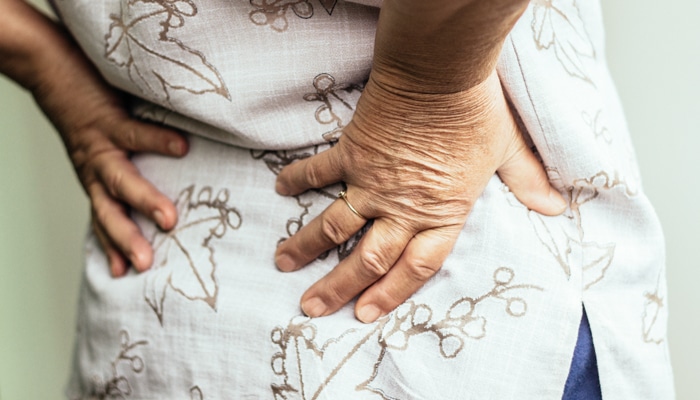
The pain arrives without warning. Sometimes it starts in the back, spreads to the abdomen or moves down to the groin. In many cases the cause is kidney stones: small solid deposits that can cause intense discomfort and, if they are not treated in time, lead to infections or damage to the urinary system.
In 2017 alone, the Mexican Social Security Institute (IMSS) carried out more than 25,000 procedures to remove kidney stones, which shows the scale of the problem in Mexico.
Knowing the symptoms of kidney stones is the first step to acting in time. According to Dr Walter P. Mutter, nephrologist at Mass General Brigham and chief of nephrology at Newton-Wellesley Hospital, identifying the early signs and receiving timely treatment can prevent serious complications. The specialist also shares practical recommendations for reducing the risk of forming new stones in the future.
What are kidney stones?
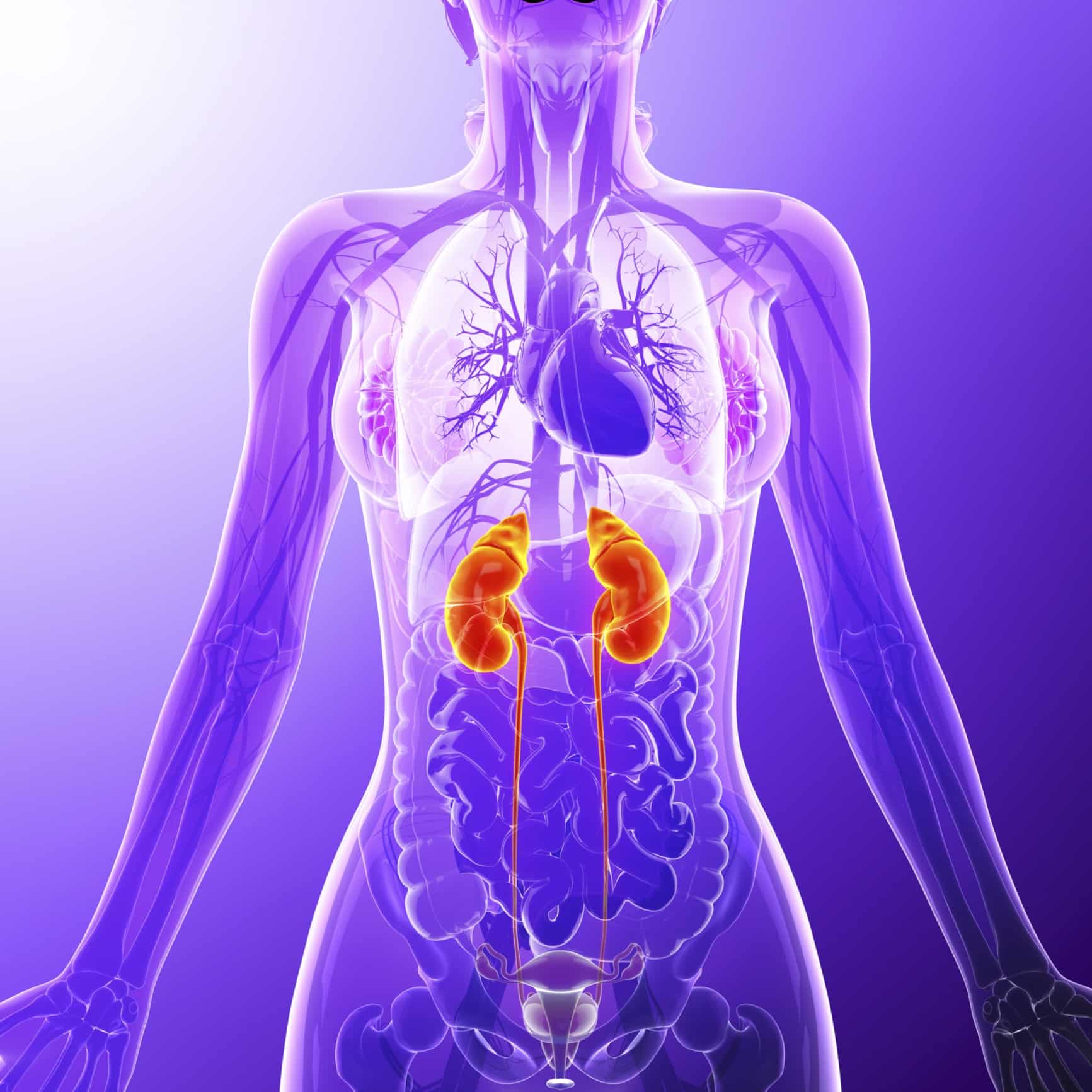
Kidney stones are solid masses formed by minerals and salts that gather inside the kidney or, in some cases, in the bladder. They form when these substances, which are normally eliminated in the urine, become concentrated and crystallise over time.
“Kidney stones form in the urinary system,” explains Dr Mutter. “They generally develop inside the kidney and sometimes in the bladder. They are made up of substances that are naturally present in our urine, which crystallise and build up layer after layer over several months and years.”
Their size can range from a grain of salt to a golf ball. The larger they are, the more likely they are to obstruct the flow of urine and cause discomfort.
Symptoms of kidney stones
Stones generally cause no discomfort while they stay still. But if they move or block the urinary tract, symptoms can be intense and sudden. Some of the most common are:
- Intense pain in the back, side, lower abdomen or groin
- Nausea and vomiting
- Blood in the urine
- Pain or burning when urinating
- Difficulty urinating or passing only small amounts
- Cloudy or foul-smelling urine
- Fever and chills
These early signs of kidney stones in adults should not be ignored. If you have any of these symptoms, see a doctor immediately. A timely diagnosis can prevent more serious complications.
How are kidney stones diagnosed?
To confirm the presence of kidney stones, the doctor may request:
- Urine tests, to detect blood or infection
- Imaging tests, such as X-rays, ultrasound or CT scans
These tools make it possible to determine the size, location and type of stone, and to choose the most suitable treatment.
Causes of kidney stones
“Ultimately, in most cases we do not know exactly what causes kidney stones,” says Dr Mutter. “In some cases it will be possible to identify a specific medical condition that could increase the patient’s risk of forming kidney stones. In those cases, it is key to carry out a detailed metabolic study to try to identify the risk factors in that particular patient that are causing the kidney stones.”
That more thorough check-up normally takes into account the patient’s history, a review of their medication and laboratory analysis. It may also include a 24-hour urine collection, in which the doctor examines it for anything in the urine that could raise the risk of kidney stones.
What are the risk factors for kidney stones?
Even though we do not know for certain what causes kidney stones, there are multiple factors that can increase the chances of developing them. These include:
- Race and sex: white men are more likely to develop kidney stones
- Having an obstructed urinary tract, a personal history of illness or urinary infections , an endocrine and/or calcium disorder, or certain bowel conditions
- Family history of kidney stones
- Dehydration
- Eating foods high in protein or foods rich in oxalates such as spinach, almonds and rhubarb
- Obesity
- Use of certain medicines and supplements
Treatments for kidney stones
Treatment will depend on the size of the stone, its location, the symptoms it causes and the patient’s condition. Some small stones can be passed on their own with enough hydration. Others require medical intervention. The most frequent options are:
- Ureteroscopy: a thin scope is inserted to remove or break up the stone
- Shock wave lithotripsy: a non-invasive procedure that breaks up stones so they can be passed in the urine
Your doctor and urologist will weigh up the risks and benefits of each option before deciding.
How can you prevent them?
Although not every stone can be avoided, there are measures that reduce the risk of forming them:
1. Stay properly hydrated
Dr Mutter recommends drinking between 3 and 4 litres of fluid a day. Keeping a steady flow of urine helps dilute the substances that form stones. Including fruit and vegetables with a high water content — such as melon, strawberries, cucumber or broccoli — can also help.
2. Improve your diet
“Reducing salt or sodium intake is especially useful for calcium stones, as well as bringing cardiovascular benefits,” explains Dr Mutter. “Kidney stones share some of the same metabolic abnormalities associated with high blood pressure and diabetes, so any measure people take to improve their cardiovascular health can reduce the risk of developing kidney stones.”
The specialist also recommends avoiding sugar-sweetened drinks, foods containing high-fructose corn syrup and animal proteins. Instead, he suggests including foods rich in natural calcium, magnesium, potassium and fibre (such as pulses, fruit, vegetables and wholegrains) to strengthen kidney health.
3. Keep a healthy weight and exercise
Exercise is an important tool that not only reduces your risk of developing kidney stones, but can also help you pass the stones you already have. Even so, it is important to consult your doctor before starting or changing your exercise routine.
What should I do if I have kidney stones?
The worst thing you can do is ignore the symptoms. Although many stones pass without complications, others can cause infections or damage the kidneys if they are not treated. According to Dr Mutter, working together with a urologist and a nephrologist is essential to solving the current problem and preventing new episodes.
“Unfortunately, there is no cure for kidney stones, but they can be treated,” says the specialist. “And the sooner they are detected, the easier it will be to avoid complications,” he concludes.
More stories
- Multidisciplinary care: a centralised model that speeds up the early detection of cancer
- TransUnion expands Juan Camilo Badel’s remit to strengthen its growth strategy in Central America, the Dominican Republic and Mexico TSI
- Cleveland Clinic is the first centre in Ohio to perform a nipple-sparing robotic mastectomy
- DiDi boosts connections with the Metro and Cable Car of Santo Domingo