130 Habitat homes built with recycled and prefabricated materials
3 minutes read
- Homes built with recycled materials reduce CO2 emissions, the volume of material going to landfill, and water and energy consumption.
- A home built with these materials is up to 30% cheaper
Santo Domingo. – The DR’s total housing deficit fell to approximately 830,000 homes in 2017, according to studies by the Economic and Social Analysis Advisory Unit of the Ministry of Economy, Planning and Development (MEPyD) and the National Statistics Office (ONE). To help address the situation, Hábitat Dominicana runs the “Let’s Build Together for Families” project, aimed at low-income and vulnerable Dominicans, to tackle the quantitative housing deficit.
“We offer these families innovative, affordable prefabricated models so they can stay safe and healthy during any natural event, such as the hurricane season or the current pandemic,” said Cesarina Fabián, director of Habitat for Humanity Dominican Republic.
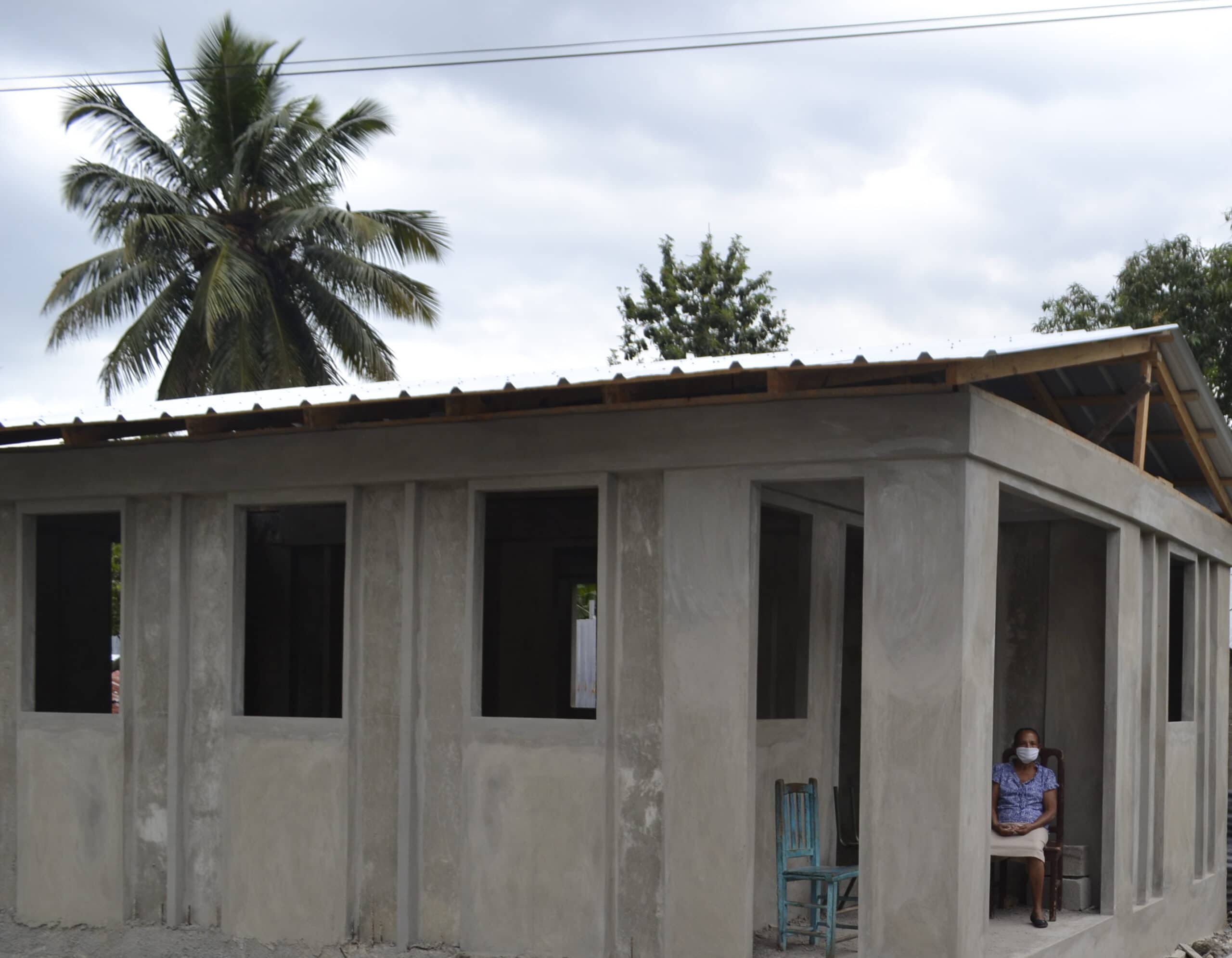
“Let’s Build Together for Families” has developed most in San Juan de la Maguana province and has expanded to areas such as Santo Domingo, Samaná and Azua. In total, around 130 homes have been built with these new models, which range from ferrocement panels, expanded polystyrene, blocks and wood with recycled plastic to cement panels. It is a multi-year project, with sub-projects in specific communities that usually last between 6 months and a year.
“We feel a constant need to look for ways to protect our environment with more sustainable solutions and to instil these principles in the communities we work with. This initiative led to research into these kinds of construction systems and materials, with a focus on recycling,” added Fabián.
Using recycled plastic reduces CO2 emissions, the volume of material ending up in landfill, and water and energy consumption. There are also thermal advantages, as less heat builds up, making homes more comfortable for families.
What does the project aim to achieve?
It is all based on the concept of a circular economy and a cyclical ecosystem: we use plastic, the community separates its rubbish and helps with the shredding process to generate income, and it is transformed and processed locally into building material to be placed in a home for 100 years or more.
Among the benefits of building with these technologies, cost stands out: building a home with this material is estimated to be up to 30% cheaper. It also saves time and labour: with our technical assistance, a family home can be built in just 10 days and only 4 people are needed, always involving the families served in the construction process.
The organisation offers families facilities according to their income and vulnerability, including credit, mixed credit-subsidy and full subsidy options.
“To reach more families, we form partnerships with different sectors, financial institutions such as Banco Ademi, other non-governmental organisations such as Fundasep-Protecho and Nature Power Foundation, socially responsible companies and government, among others,” noted the executive.
Habitat for Humanity invites all Dominicans, individually or as companies, to join the “Let’s Build Together for Families” project through habitatdominicana.org and keep working so that everyone has a decent place to live.
Habitat for Humanity Dominican Republic
Habitat for Humanity is a global non-profit, non-governmental organisation working to ensure everyone has a decent place to live, through programmes focused on housing microfinance, minimising risk and increasing disaster response.
Habitat for Humanity Dominican Republic empowers families to build strength, stability and self-reliance through shelter. Since it began its work in 1986, the organisation has delivered more than 32,000 housing solutions and impacted around 160,000 people. We empower through housing.
More stories
- Multidisciplinary care: a centralised model that speeds up the early detection of cancer
- TransUnion expands Juan Camilo Badel’s remit to strengthen its growth strategy in Central America, the Dominican Republic and Mexico TSI
- Cleveland Clinic is the first centre in Ohio to perform a nipple-sparing robotic mastectomy
- DiDi boosts connections with the Metro and Cable Car of Santo Domingo