
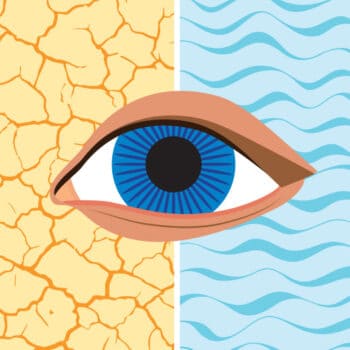
A diabetes-related eye disease: what is macular oedema and who can get it?
3 minutes read
- To mark World Diabetes Day, Cleveland Clinic shares important information about macular oedema, which affects approximately 1 in 14 people with diabetes.

People living with diabetes are at risk of developing diabetes-related macular oedema, a type of diabetes-related eye disease. If you have dark spots, blurred vision or double vision, see your eye doctor. Early treatment is best.
Diabetes-related macular oedema (DME) is swelling of the macula, the central part of the eye’s retina. The retina is at the back of the eye and is the part that holds the light-sensitive cells. Your macula lets you see fine detail.
You can get DME if you have diabetes-related retinal disease (diabetes-related retinopathy). Diabetes affects the blood vessels in the eyes, making them weaker and more likely to leak blood. It can also cause new, more fragile blood vessels to grow where they shouldn’t.
How common is it?
Approximately 1 in 14 people with diabetes develops diabetes-related macular oedema.
What are the symptoms of diabetes-related macular oedema?
Signs and symptoms of diabetes-related macular oedema may include:
- Blurred vision or double vision.
- Floaters.
- Difficulty seeing colours.
- Dark spots (scotomas).
- Straight lines that look bent or curved.
- Difficulty seeing when there is glare or bright light.
- Seeing an object as a different size when you look at it with one eye and then the other.
What causes diabetes-related macular oedema?
Diabetes-related macular oedema happens when high blood sugar levels affect the blood vessels in the eyes. The blood vessels leak, causing fluid to build up and the retina to thicken. Blood vessel problems happen to people who have diabetes-related retinal disease, or diabetes-related retinopathy (DR). The blood vessels weaken and form pouches. The pouches leak. This is non-proliferative DR.
If you start to develop new blood vessels in your eyes that don’t belong there, you have proliferative DR. These new blood vessels aren’t as strong as they should be, so they also leak and let blood collect in the macula and retina. A serious complication of untreated diabetes-related macular oedema is vision loss.
How is diabetes-related macular oedema treated?
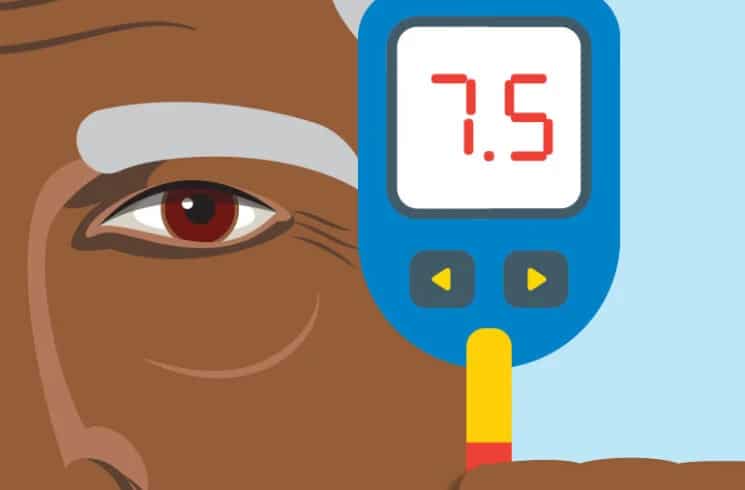
Treatment options for DME have improved. In fact, some newer medicines work well enough to reverse the damage in some cases.
One form of treatment blocks vascular endothelial growth factor (VEGF), a protein that helps new blood vessels grow. Steroids that control inflammation are another form of treatment applied to the eyes.
It’s also important to control your blood sugar levels and blood pressure. This may involve other types of medicines.
Medicines to treat diabetes-related macular oedema
One way doctors treat DME is with a series of intravitreal injections of medicine (injections into the eye’s vitreous humour). These medicines include:
- Aflibercept (Eylea®).
- Bevacizumab (Avastin®).
- Faricimab-svoa (VABYSMO).®
- Ranibizumab (Lucentis®).
- Dexamethasone (Ozurdex®).
- Fluocinolone acetonide (Iluvien®).
Ozurdex and Iluvien are steroid implants that doctors inject into the eyes.
Procedures to treat diabetes-related macular oedema: one option is to use laser therapy (photocoagulation) to seal the blood vessels in the eyes and stop the leaking. Another procedure doctors may suggest is a vitrectomy. This surgery can remove scar tissue and cloudy vitreous fluid from the eye.
Find out more about AF Comunicación Estratégica and its clients
More stories
- Multidisciplinary care: a centralised model that speeds up the early detection of cancer
- TransUnion expands Juan Camilo Badel’s remit to strengthen its growth strategy in Central America, the Dominican Republic and Mexico TSI
- Cleveland Clinic is the first centre in Ohio to perform a nipple-sparing robotic mastectomy
- DiDi boosts connections with the Metro and Cable Car of Santo Domingo