

Cleveland Clinic expert sounds the alarm over the global rise in early-onset cancer cases
5 minutes read
- It is essential that adolescents and adults under 50 are aware of cancer symptoms, their individual risk factors and treatment options.
February 2024, CLEVELAND, OHIO: With cancer diagnoses in young people rising worldwide, it is crucial to raise awareness of symptoms, family history and differences in treatment approaches for adolescents and young adults, according to an expert from the global health system Cleveland Clinic, to mark World Cancer Day on 4 February.
Global cancer cases in people under 50 rose by 79% between 1990 and 2019, according to recent research published by the University of Edinburgh in the United Kingdom. The study also shows that cancer deaths in this population grew by more than 27%, estimating that more than 1 million people under 50 now die of cancer every year. Breast, windpipe, lung, bowel and stomach cancers account for most of these deaths.
“Cleveland Clinic and other institutes around the world are researching why the incidence of cancer in young people is rising significantly, and we believe the cause is multifactorial,” says Dr. David Liska, a colorectal cancer surgeon who leads a multidisciplinary programme to improve treatment approaches and outcomes for adolescent and young adult (AYA) patients and patients with early-onset cancer at Cleveland Clinic.

“Researchers have observed a birth cohort effect, showing that people born in each decade since the 1950s have a higher incidence of early-onset colorectal cancer than those born in previous decades. This indicates that shared exposure to certain factors in the environment could be raising their risk, whether through changes in eating habits, the use of chemicals or any number of other factors. Interestingly, we have found differences in the gut microbiome, the metabolome and the immune tumour microenvironment between younger and older people with the same types of cancer. Another consideration is that individual risk factors for cancer, such as obesity and a sedentary lifestyle, are increasingly prevalent in this age group and are therefore likely to be contributing to the problem,” says Dr. Liska, who is also director of the Center for Young-Onset Colorectal Cancer at Cleveland Clinic.
Dr. Liska’s advice to young people focuses on prevention, early diagnosis and making sure that treatment is managed by an experienced multidisciplinary team.
“In terms of prevention, we recommend leading a healthy lifestyle, eating a balanced diet and exercising regularly, and avoiding tobacco and excessive alcohol use,” says Dr. Liska. “Early diagnosis is also important, because the sooner cancer is diagnosed and treated, the better the outcome. People should never ignore persistent symptoms of any kind, but should report them to a doctor. They should also discuss any family history of cancer with their doctor, who can then advise on the best timing and frequency of cancer screening and whether they might be candidates for genetic testing.”
When it comes to seeking treatment, Dr. Liska says a personalised approach is needed for younger patients, as the biology of their cancers, as well as the psychosocial and long-term implications of treatment, are different compared with older patient populations.
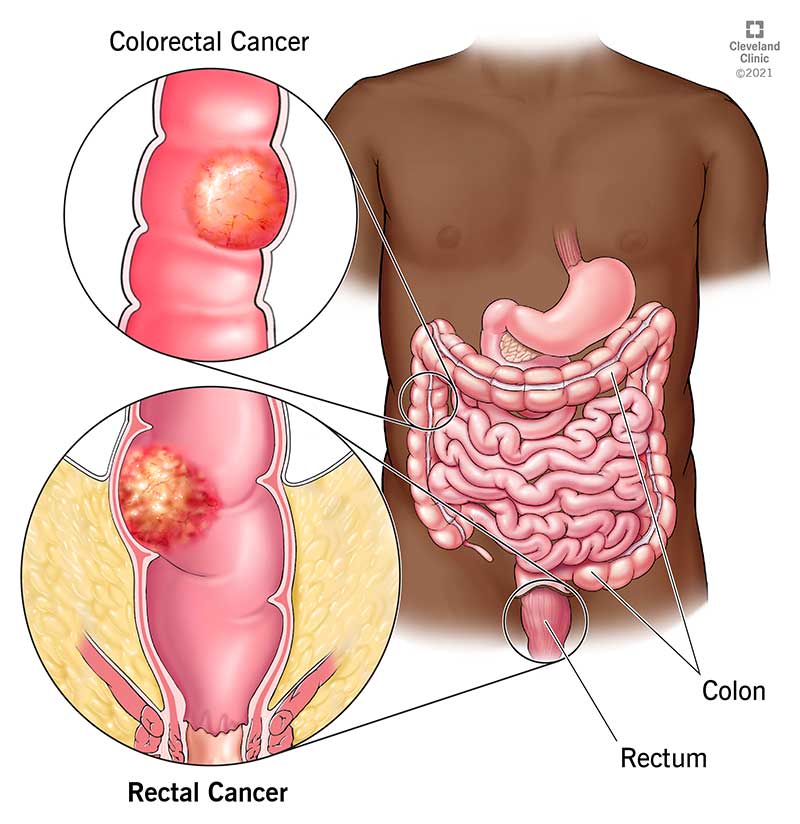
Dr. Liska explains that at Cleveland Clinic, a broad team of experts works in close collaboration with oncologists and surgeons to make sure all the needs of young patients are met. “Younger patients face unique factors at their stage of life; for example, they may want to start a family, in which case it is important to see a fertility preservation specialist. Other young people may have children and/or care for ageing parents, so the transition from being a primary carer to someone who needs care can be financially and socially difficult, which is when psychologists and social workers would get involved. Younger patients also benefit from the advice of wellness experts who can work with them to change their diet, exercise and other lifestyle habits to support treatment, avoid complications related to cancer or treatment, and reduce the risk of the cancer coming back.
“Finding a multidisciplinary team specialising in treating young patients with cancer is important, as the quality of treatment received can have a significant impact on outcomes, not only in terms of patient survival but also their quality of life after treatment,” says Dr. Liska.
About Cleveland Clinic
Cleveland Clinic is a nonprofit multispecialty academic medical centre that integrates clinical and hospital care with research and education. Located in Cleveland, Ohio, it was founded in 1921 by four renowned physicians with a vision of providing outstanding patient care based on the principles of cooperation, compassion and innovation. Cleveland Clinic has pioneered many medical breakthroughs, including coronary artery bypass surgery and the first face transplant in the United States.
U.S. News & World Report consistently names Cleveland Clinic as one of the nation’s best hospitals in its annual “America’s Best Hospitals” survey. Among Cleveland Clinic’s 72,500 employees worldwide are more than 5,050 salaried physicians and researchers, and 17,800 registered nurses and advanced practice providers, representing 140 medical specialties and subspecialties. Cleveland Clinic is a 6,500-bed health system that includes a 173-acre main campus near downtown Cleveland, 21 hospitals, more than 220 outpatient facilities, and locations in northeast Ohio; southeast Florida; Las Vegas, Nevada; Toronto, Canada; Abu Dhabi, UAE; and London, England.
In 2021, there were 10.2 million outpatient visits, 304,000 hospital admissions and observations, and 259,000 surgeries across Cleveland Clinic’s health system. Patients came for treatment from every state and 185 countries.
Visit us at clevelandclinic.org. Follow us at twitter.com/ClevelandClinic. News and resources available at newsroom.clevelandclinic.org.
Find out more about AF Comunicación Estratégica and its clients
More stories
- Multidisciplinary care: a centralised model that speeds up the early detection of cancer
- TransUnion expands Juan Camilo Badel’s remit to strengthen its growth strategy in Central America, the Dominican Republic and Mexico TSI
- Cleveland Clinic is the first centre in Ohio to perform a nipple-sparing robotic mastectomy
- DiDi boosts connections with the Metro and Cable Car of Santo Domingo