
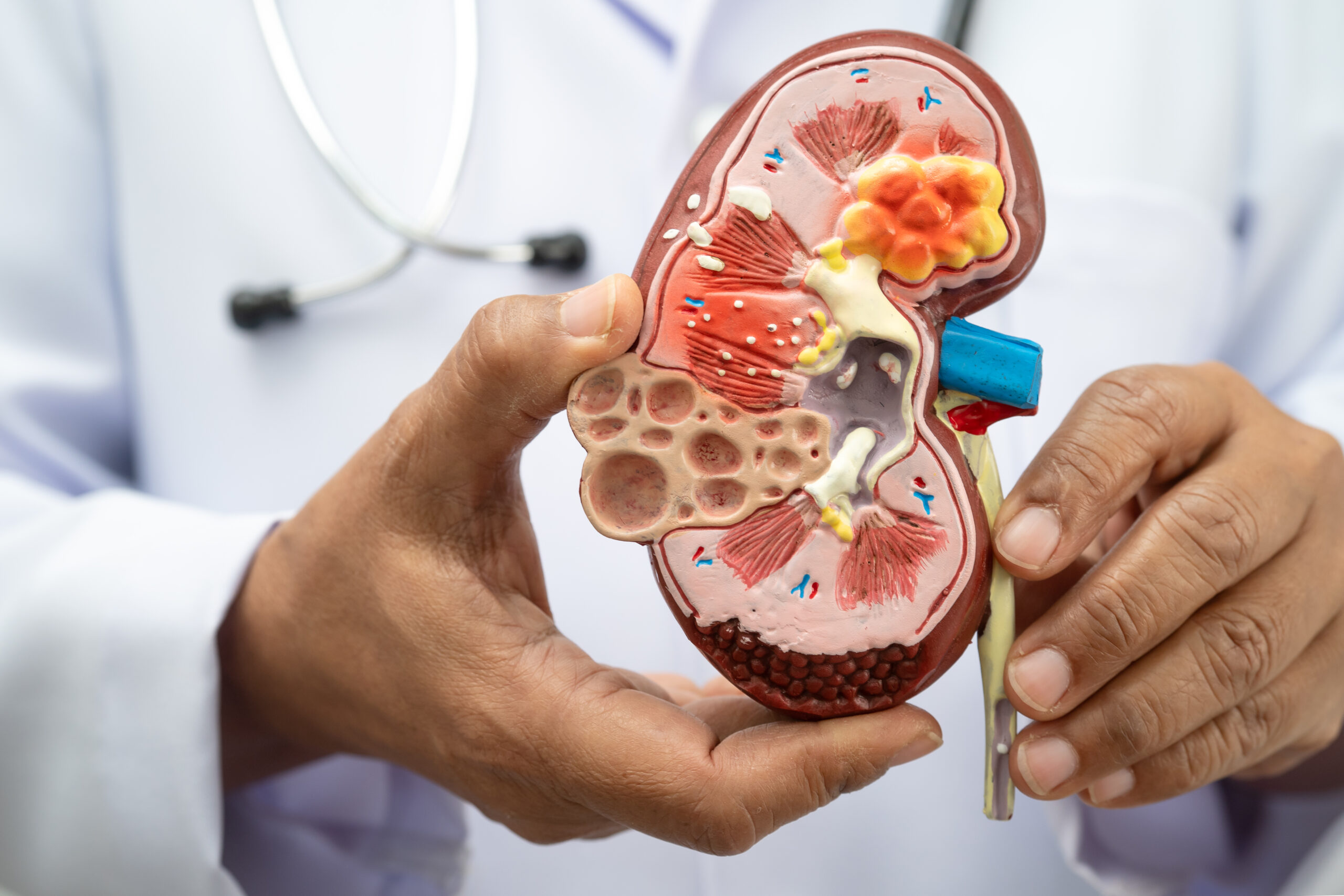
Cleveland Clinic nephrologist says medical check-ups are key to protecting kidney health
2 minutes read
- Nephrologist Andrea Linares, of Cleveland Clinic, says hydration, a low-salt diet and regular check-ups are key to preventing kidney disease.
Cleveland. Prevention and early detection are essential to protecting kidney health and avoiding serious long-term complications, said Cleveland Clinic nephrologist Dr Andrea Linares, who stressed that adopting healthy habits can make a great difference in reducing the risk of kidney disease.
The specialist explained that staying properly hydrated, following a balanced diet low in salt and ultra-processed foods, and keeping blood pressure and blood sugar levels under control are essential pillars of kidney care. She also recommended avoiding excessive use of painkillers, especially anti-inflammatories, not smoking and having regular medical check-ups.
She noted that many kidney conditions can be prevented or significantly delayed if they are detected in time. Among the most frequent she mentioned chronic kidney disease associated with diabetes and high blood pressure, recurrent urinary tract infections, kidney damage caused by some medicines and certain types of kidney stones.
Dr Linares warned that people with diabetes, high blood pressure, obesity or cardiovascular disease face a higher risk of developing kidney problems. The group also includes those with a family history of kidney disease, older adults and people who take certain medicines over long periods.
She noted, however, that there are encouraging advances in the treatment and management of these conditions. Among them she highlighted new medicines that help protect kidney function, improvements in more personalised dialysis therapies, greater access to kidney transplantation and a growing focus on preventive medicine and early diagnosis, all of which allow better outcomes and quality of life for patients.
About Cleveland Clinic
Cleveland Clinic is a non-profit multispecialty academic medical centre that integrates clinical and hospital care with research and education. Located in Cleveland, Ohio, it was founded in 1921 by four renowned physicians with a vision of providing outstanding patient care built on the principles of cooperation, compassion and innovation. Cleveland Clinic has pioneered many medical breakthroughs, including coronary artery bypass surgery and the first face transplant in the United States. U.S. News & World Report consistently names Cleveland Clinic as one of the nation’s best hospitals in its annual “America’s Best Hospitals” survey. Among Cleveland Clinic’s 70,800 employees worldwide are more than 4,660 salaried physicians and researchers, and 18,500 registered nurses and advanced practice providers, representing 140 medical specialities and subspecialities. Cleveland Clinic is a 6,500-bed health system that includes a 173-acre main campus near downtown Cleveland, 19 hospitals, more than 220 outpatient centres and locations in southeast Florida; Las Vegas, Nevada; Toronto, Canada; Abu Dhabi, United Arab Emirates; and London, England. In 2020, there were a total of 8.7 million outpatient visits, 273,000 hospital admissions and observations and 217,000 surgical cases across the Cleveland Clinic health system. Patients came for treatment from every state and 185 countries.
More stories
- Multidisciplinary care: a centralised model that speeds up the early detection of cancer
- TransUnion expands Juan Camilo Badel’s remit to strengthen its growth strategy in Central America, the Dominican Republic and Mexico TSI
- Cleveland Clinic is the first centre in Ohio to perform a nipple-sparing robotic mastectomy
- DiDi boosts connections with the Metro and Cable Car of Santo Domingo