Cleveland Clinic raises awareness of meningioma, the most common brain tumour in adults
4 minutes read
- On World Brain Tumour Day, the medical team highlights that many cases are only discovered after a sudden event, and therefore stresses the importance of check-ups and early diagnosis.
Lima, June 2026.- Every June, World Brain Tumour Day is a reminder of the importance of timely diagnosis and access to specialised treatment. Cleveland Clinic experts highlight that meningioma, the most common primary brain tumour in adults in Latin America, requires early attention because, in the region, a significant proportion of hospitals still lack the imaging equipment needed to detect it in time.
In addition, the disease is characterised by its silent progression. In many cases it has no obvious symptoms, and patients discover it after a sudden episode, such as fainting, a seizure or a sudden loss of function that requires immediate medical attention.
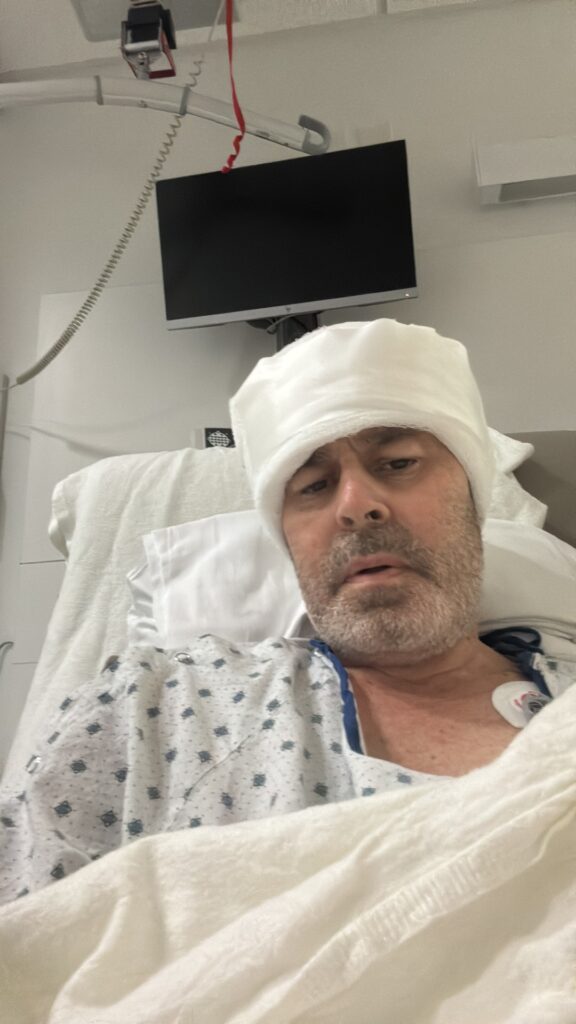
That is what happened to Augusto Claux, a Peruvian businessman whose fainting episode in November 2025 led to a series of tests that revealed a meningioma. It was not the first time he had faced a brain tumour: at the age of five he was diagnosed with medulloblastoma and underwent surgery, chemotherapy and radiotherapy to the brain and spinal cord. So he decided to face this new stage with the same lesson he inherited from his father: stay calm and focus on finding solutions.
“The first thing I thought about was my family. About how I was going to leave my wife and children alone, because I have many dreams to fulfil with them. But I have a message from my father: take the bull by the horns. When you have a problem, cool your head and solve it; think about the worst and the best scenario. That is how I have gone through life, and that is how I decided to face this,” says Augusto.
Specialised care and timely decisions
Once he was stable, Augusto chose to seek specialised care in the United States. The recommendation of a physician friend based there, the experience of acquaintances who had previously been treated there and the comprehensive coverage of his international insurance were decisive factors in his decision to see Cleveland Clinic experts.
Augusto was treated by a multidisciplinary team of specialists, including Dr. Matt Grabowski, a neurosurgeon who led a complex 12-hour brain operation, while Dr. Alejandro Torres-Trejo accompanied the process as neuro-oncologist and Dr. Erin Murphy as radiation oncologist.
After surgery, Augusto continued with a course of radiotherapy. The ongoing coordination between the three specialists reflects the integrated care model that characterises Cleveland Clinic.
“When meningioma is detected in time and treated at a highly specialised centre, it has an excellent prognosis. The key is to act quickly, with the right technology and an experienced multidisciplinary team. Cases like Augusto’s show what is possible when the right decisions are made,” said Dr. Torres-Trejo, neuro-oncologist at Cleveland Clinic.
The role of the family during treatment
Beyond medical management, the family environment is one of the main sources of support for people facing a cancer diagnosis. In addition to emotional support, the family often takes on logistical responsibilities and provides the help needed so that the patient can focus on recovery.
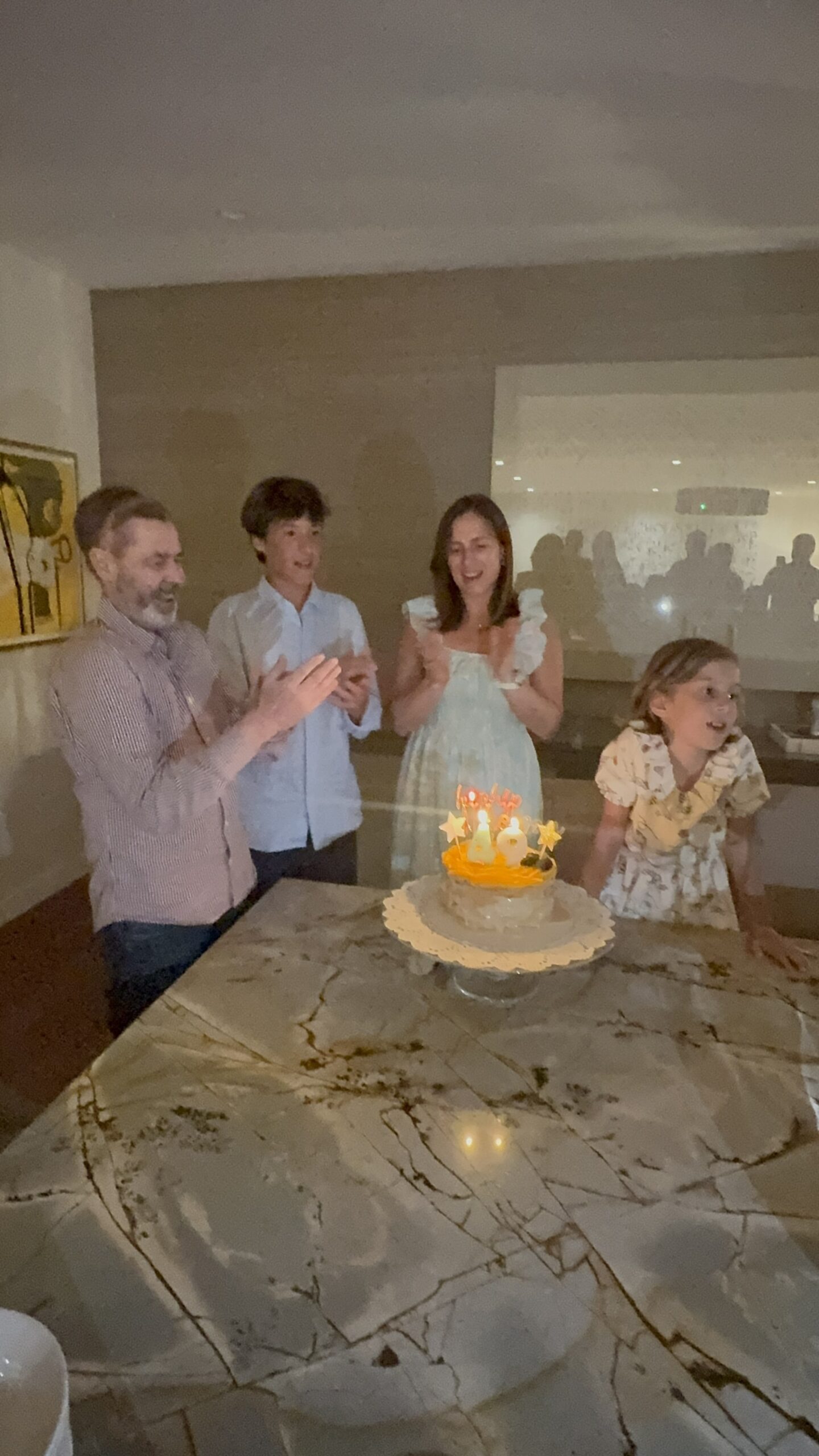
In this case, Augusto’s wife, Sandra, and their children were a constant source of motivation throughout the process. Months later, he took them to Cleveland Clinic to reassure them and show them how well he was doing. “I have a lot to be grateful for. I feel as if I have been born again, and that gives me more time to keep working towards the goals I still want to achieve and to improve whatever I may need to change,” he says.
A message for other patients
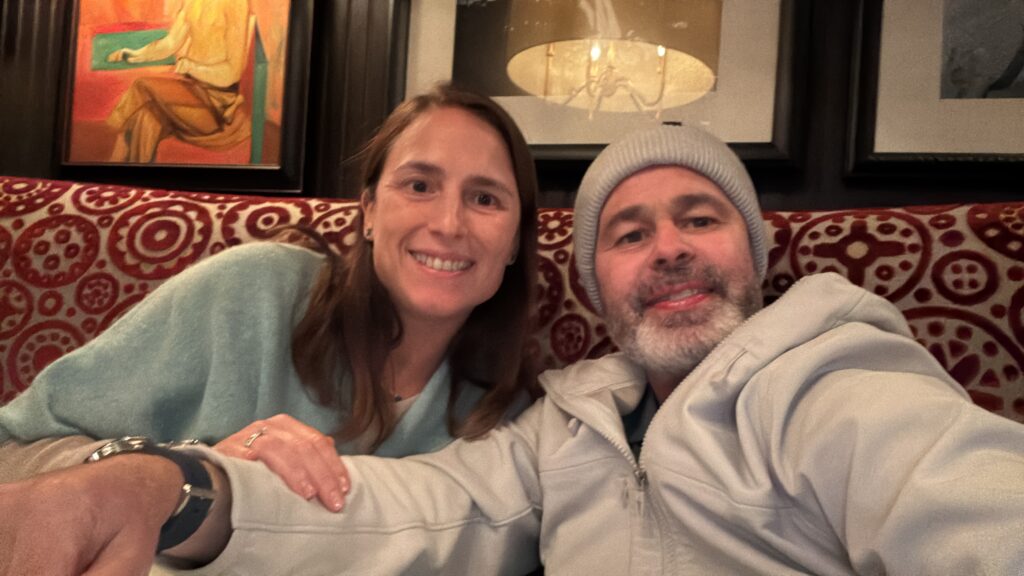
Having faced two cancer journeys in his life, the first at the age of five and the second at 49, Augusto Claux hopes to use his experience to raise awareness of the importance of long-term follow-up for cancer survivors. His next goals include sharing his story with other Latin American patients through a book or a documentary.
“When you have a problem, take it on with a cool head so you can solve it in the best way. Always see the glass as full. Be resilient. Make decisions with wisdom and with faith. And never forget that your family is the most powerful thing you have,” concludes Augusto.