

International clinical trial finds semaglutide reduced cardiovascular events by 20% in adults with overweight or obesity who do not have diabetes
5 minutes read
- SELECT trial presented by a Cleveland Clinic physician at the American Heart Association’s Scientific Sessions 2023.
Cleveland, November. Findings from an international multicentre clinical trial reported by a Cleveland Clinic physician show that semaglutide reduced cardiovascular events by 20% in adults with overweight or obesity and established cardiovascular disease who do not have diabetes.
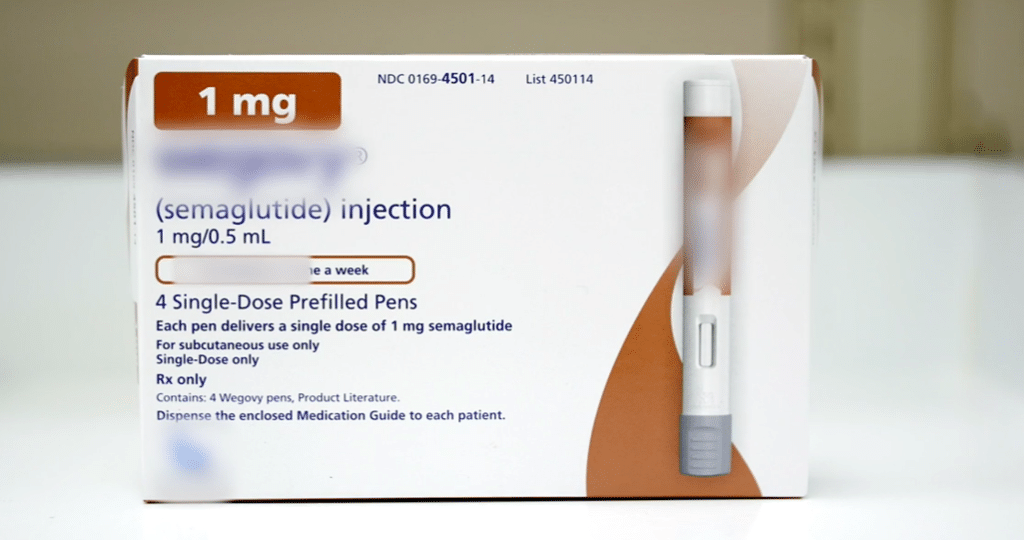
Semaglutide is mainly prescribed for adults with type 2 diabetes, but is also approved for chronic weight management in adults with obesity or overweight who have at least one other health condition. In the trial, patients treated with semaglutide lost an average of 9.4% of their body weight and saw improvements in other cardiovascular disease risk factors.
The results of the “SELECT – Semaglutide and Cardiovascular Outcomes in Patients with Overweight or Obesity Who Do Not Have Diabetes” trial were presented today at a late-breaking science session at the American Heart Association’s Scientific Sessions 2023 and simultaneously published in the New England Journal of Medicine.
In the trial, for patients with pre-existing cardiovascular disease and overweight or obesity but no diabetes, weekly injections of semaglutide at a dose of 2.4 mg were superior to placebo in reducing the risk of cardiovascular death, non-fatal heart attack or non-fatal stroke over an average follow-up of 40 months.
“Overweight and obesity are known to increase a person’s risk of cardiovascular events. However, while reducing cardiovascular disease by treating high cholesterol, high blood pressure and diabetes is standard practice, the concept of treating obesity to reduce cardiovascular complications has been hampered by a lack of evidence that lifestyle or drug interventions for overweight or obesity improve cardiovascular outcomes,” said Michael Lincoff, MD, lead author of SELECT and vice chair for research in Cleveland Clinic’s Department of Cardiovascular Medicine. “This is the first drug intervention for overweight or obesity that has been rigorously shown to reduce the risk of cardiovascular events.”
More than half of the world’s population is expected to have overweight or obesity by 2035. A high body mass index (BMI) is estimated to have been responsible for 4 million deaths worldwide in 2015, more than two-thirds of which were caused by cardiovascular disease.
Semaglutide, a GLP-1 receptor agonist medicine initially approved for and most often prescribed to adults with type 2 diabetes, was also approved by the FDA in 2021 for chronic weight management in adults with obesity or overweight with at least one weight-related comorbidity. Although semaglutide’s weight-loss effects appear to occur mainly through appetite suppression, the medicine has other actions that may reduce cardiovascular risk, including improved glucose levels, lower blood pressure and cholesterol levels, reduced inflammation, and beneficial effects on heart muscle and blood vessels.
In the SELECT trial, which ran from October 2018 to June 2023, researchers enrolled patients aged 45 or over who had pre-existing cardiovascular disease and a body mass index of 27 or more, but no history of diabetes. More than 17,000 patients in 41 countries who had previously had a heart attack, stroke and/or peripheral artery disease were enrolled and followed for an average of 40 months after being randomly assigned to weekly injections of semaglutide 2.4 mg or placebo.
As well as taking semaglutide or placebo for the trial, all participants also received standard treatment for cardiovascular disease, such as cholesterol-modifying medicines, antiplatelet therapies, beta-blockers or other treatments.
Death from a cardiovascular event, non-fatal myocardial infarction (heart attack) or non-fatal stroke occurred during the trial in 6.5% of patients treated with semaglutide compared with 8.0% of patients who received placebo, a 20% relative risk reduction for semaglutide. The risk reductions were similar in men and women and across ethnicities, patient ages and baseline body weight levels.
There were no unexpected safety concerns with semaglutide in this trial. More patients stopped taking semaglutide (16.6%) than placebo (8.2%), mainly because of gastrointestinal symptoms such as nausea and diarrhoea. These gastrointestinal symptoms are not uncommon with this class of medicine, especially when starting treatment or increasing the dose. There was a slightly higher rate of gallbladder disorders in the semaglutide group compared with placebo (2.8% vs 2.3%, respectively), which has also been reported previously in other studies of GLP-1 agents. Importantly, semaglutide was not associated with an increased risk of serious gastrointestinal disorders, pancreatitis, psychiatric disorders or kidney injury.
“It is increasingly recognised that obesity and overweight are in fact metabolic diseases, yet effective therapies have been quite limited,” said Dr. Lincoff. “This semaglutide study demonstrates the effectiveness of a new pathway for reducing the excess risk of major and potentially fatal cardiovascular complications associated with obesity.”
One limitation of the trial is that only patients with pre-existing cardiovascular disease were included. The effects of semaglutide on primary prevention of cardiovascular events in people with overweight or obesity but no prior cardiovascular disease were not studied.
The trial was sponsored by Novo Nordisk, the company that developed semaglutide. Dr. Lincoff has received consulting fees from Novo Nordisk.

About Cleveland Clinic
Cleveland Clinic is a nonprofit multispecialty academic medical centre that integrates clinical and hospital care with research and education. Located in Cleveland, Ohio, it was founded in 1921 by four renowned physicians with a vision of providing outstanding patient care based on the principles of cooperation, compassion and innovation. Cleveland Clinic has pioneered many medical breakthroughs, including coronary artery bypass surgery and the first face transplant in the United States.
U.S. News & World Report consistently names Cleveland Clinic as one of the nation’s best hospitals in its annual “America’s Best Hospitals” survey. Among Cleveland Clinic’s 72,500 employees worldwide are more than 5,050 salaried physicians and researchers, and 17,800 registered nurses and advanced practice providers, representing 140 medical specialties and subspecialties. Cleveland Clinic is a 6,500-bed health system that includes a 173-acre main campus near downtown Cleveland, 21 hospitals, more than 220 outpatient facilities, and locations in northeast Ohio; southeast Florida; Las Vegas, Nevada; Toronto, Canada; Abu Dhabi, UAE; and London, England.
In 2021, there were 10.2 million outpatient visits, 304,000 hospital admissions and observations, and 259,000 surgeries across Cleveland Clinic’s health system. Patients came for treatment from every state and 185 countries.
Visit us at clevelandclinic.org. Follow us at twitter.com/ClevelandClinic. News and resources available at newsroom.clevelandclinic.org.
Find out more about AF Comunicación Estratégica and its clients
More stories
- Multidisciplinary care: a centralised model that speeds up the early detection of cancer
- TransUnion expands Juan Camilo Badel’s remit to strengthen its growth strategy in Central America, the Dominican Republic and Mexico TSI
- Cleveland Clinic is the first centre in Ohio to perform a nipple-sparing robotic mastectomy
- DiDi boosts connections with the Metro and Cable Car of Santo Domingo