
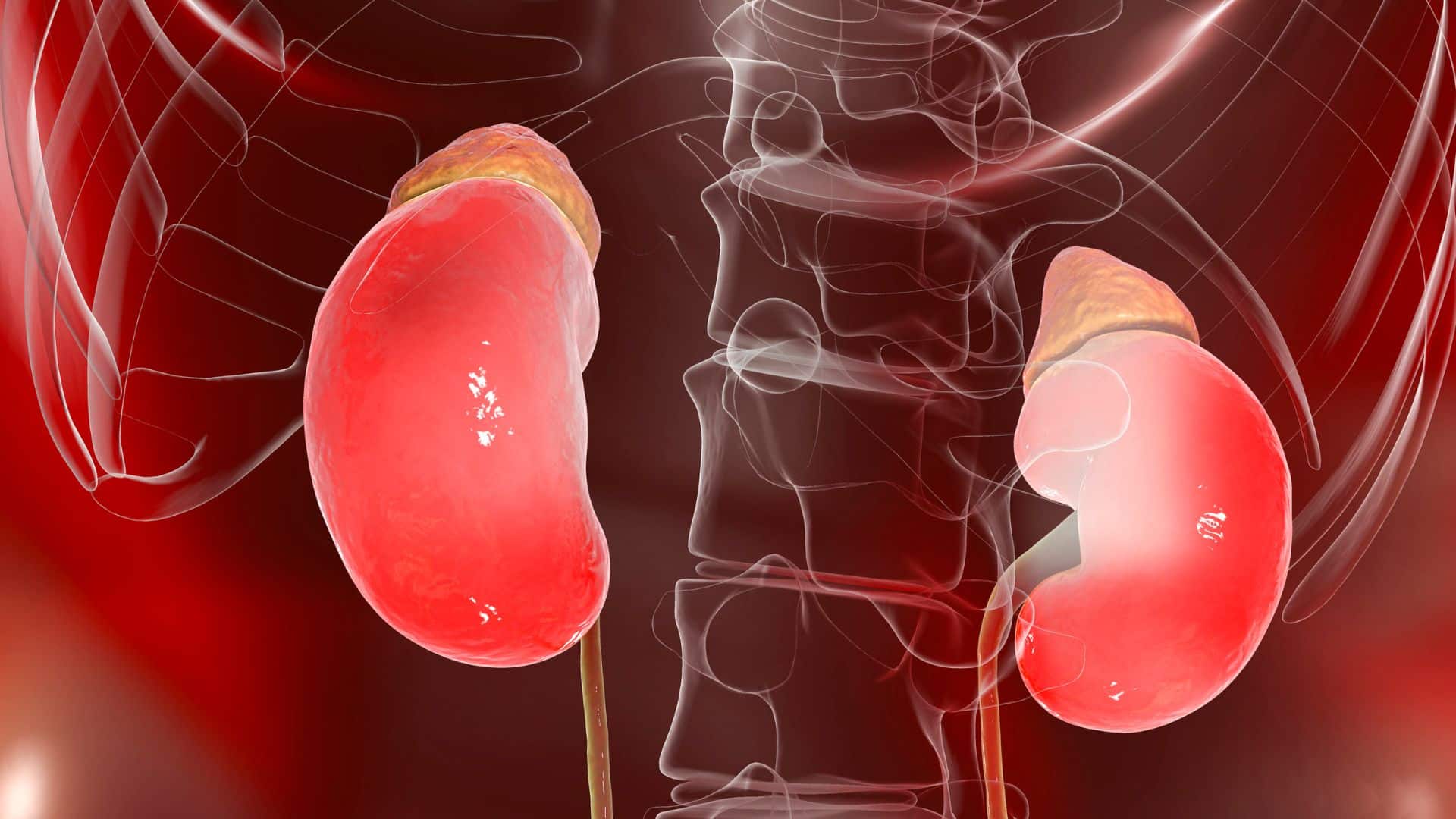
A new kidney, a new life: Jesús’s story
7 minutes read
- Every year 2,500 Dominicans join the waiting list for a kidney transplant; Jesús’s story shows how a transplant programme gave him back his quality of life.
It is estimated that every year in the Dominican Republic 2,500 people join the waiting list for a kidney that would let them get their lives back, or even survive. It is estimated that only 61 kidney transplants were performed in 2022¹, which can be discouraging for many patients.
This situation is repeated in various Latin American countries. Fortunately, there are now programmes that speed up these procedures and save lives. This was the case for Jesús Maradiaga and Teresa Barahona, husband and wife, who are originally from El Salvador and now live in Massachusetts, United States.
In 2018, Jesús began to feel pain in his right knee. As the pain continued, he decided to seek medical advice in El Salvador. Jesús was prepared to have knee surgery, but instead received a diagnosis he did not expect: kidney disease.
After the diagnosis, Jesús and Teresa first tried to understand his illness. They then looked for treatment options in El Salvador and abroad. After their research, they decided the best option for him was Massachusetts General Hospital in Boston, United States.
The onset of kidney disease
Jesús Maradiaga, a keen football player in his native El Salvador, felt unusual pain in his knee during a friendly match. As the pain persisted, he decided to see his primary care doctor. When his doctor noticed other signs of possible illness, including changes in his eyes and skin, Jesús was immediately sent for a blood test.
After reviewing the results, the doctor told Jesús that he urgently needed dialysis. He was soon diagnosed with kidney failure.
“The diagnosis left me in shock. It didn’t seem real, as I didn’t have any other symptoms,” says Jesús. Other symptoms of kidney disease can include fatigue, shortness of breath and nausea.
Shortly after his first appointment, the Mass General nephrology team confirmed that he had kidney failure and recommended long-term dialysis. Jesús remembers it was very hard to hear the news, but he committed to following dialysis treatment for the foreseeable future.
As he is a native Spanish speaker, Mass General made sure a medical interpreter from Mass General’s Medical Interpreter Services was available and present at all visits and procedures.
The hope of a transplant
Jesús was on dialysis for about two years, during which he remembers feeling weak and lethargic. It was the idea of a possible transplant that kept him motivated and hopeful about the future. The Mass General transplant team told him that living donation is the best way to receive a new organ. Although many friends and family members volunteered to be screened as potential living donors, none was successful.
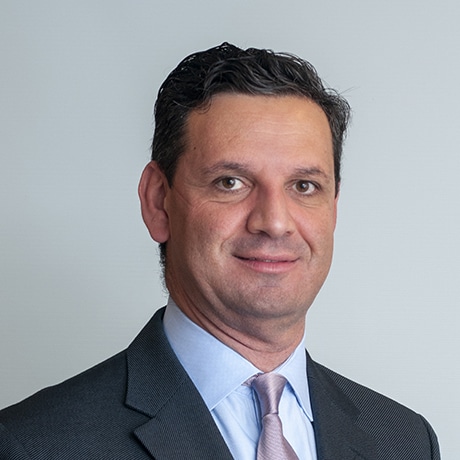
“The biggest obstacle is finding someone who can donate,” says Nahel Elias, MD, surgical director of kidney transplantation at Mass General and Jesús’s transplant surgeon. “Finding the perfect match isn’t the problem; it’s finding someone who is healthy enough to donate.” For all patients with kidney disease like Jesús, Dr. Elias says living donation is the preferred treatment option over dialysis and deceased donation, as the organ lasts longer.
At first, the family did not consider Teresa, as she had a different blood type. However, her determination to help her husband led them to look into her as a potential donor.
“From the moment Jesús was diagnosed, I was fully committed to donating my kidney to him. Seeing him go through dialysis only strengthened my decision and the impact my kidney donation would have. I didn’t even think twice,” says Teresa.
To take part in a kidney exchange, Teresa first had to confirm she met the requirements to be a donor, which involved several rounds of extensive testing, blood tests and meetings with a living donor advocate social worker. In the end, she was considered healthy and her donation was approved; however, she was incompatible with Jesús. The Mass General kidney transplant team recommended that they take part in a paired kidney exchange.
“The biggest misconception about living donation is that you have to be a perfect match for the recipient,” says Dr. Elias. “In reality, you don’t have to be a perfect match, just healthy.”
Mass General enrolled them on the waiting list of the UNOS Kidney Paired Donation Program, which works to speed up transplants for patients with blood group antibodies or other incompatibilities with their potential living donors. Through this programme, Teresa donated her kidney to an unknown recipient, while Jesús received a kidney from an unknown donor as part of an exchange.
For Jesús, the hope that had kept him going for two years was becoming a reality.
The transplant experience at Mass General
Jesús’s and Teresa’s surgeries were scheduled for the same day in June 2020, a date that coincided with the peak of the COVID-19 pandemic. Because of the pandemic, additional measures were taken before surgery to ensure their safety and well-being.
- Both Teresa and Jesús were tested for COVID-19 before surgery.
- The hospital took additional safety precautions in its spaces, such as vigilant cleaning of frequently touched surfaces, and among staff, such as daily testing.
“I felt extremely safe during all the visits and the surgery. Disinfection, deep cleaning, physical distancing and disposable masks were some of the measures I remember from my experience,” says Jesús.
After the surgery, Jesús remembers feeling mild pain around the incision and great gratitude. Both Jesús and Teresa were discharged from Mass General a few days after their operations.
“Many patients, both donors and recipients, ask about restrictions after surgery,” says Leigh Anne Dageforde, MD, MPH, the donor’s surgeon. “There aren’t too many long-term restrictions on their activities. In general, I recommend no heavy lifting for six to eight weeks. For donors, recovery is easier.
For example, they can usually drive a week after donating.” Other recovery recommendations are to stay hydrated and give the body time to recover from the operation. Both donors and recipients are encouraged to walk, even on the night of the surgery.
A new life after surgery
Although many recipients of donated organs, especially kidneys, tend to outlive their new organ, Dr. Elias says Jesús and Teresa’s case represents the ideal treatment option for kidney disease. “Living donation has better outcomes overall. There are fewer complications and the results last longer,” says Dr. Elias.
Since the surgery, Jesús has never felt better; his energy levels are back to normal and he has returned to his usual life. His post-operative follow-up includes weekly blood tests and virtual visits with his Mass General care team. Teresa reports a similar recovery, returning to normal life shortly after being discharged.
“When I look back, I realise it has been one of the best medical experiences of my life. I’m very grateful to my wife and to the whole medical team at Mass General,” says Jesús. For Teresa, being able to donate her kidney for her husband and help another person in need through the paired kidney exchange programme has been very rewarding.
¹ National Institute for Transplant Coordination (INCORT)

About Mass General Brigham
Mass General Brigham is an integrated healthcare system that brings together great minds in medicine to improve the lives of patients around the world. The system is made up of 16 member institutions, including 5 hospitals ranked among the best in the nation by US News & World Report: Massachusetts General Hospital, Brigham and Women’s Hospital, Mass Eye and Ear, McLean Hospital and Spaulding Rehabilitation. It also includes community and specialty care centres, health insurance plans, physician networks, home care and long-term care services.
Mass General Brigham is a nonprofit organisation committed to patient care, teaching and research. With an annual research budget of almost 2 billion dollars, Mass General Brigham’s research programme is one of the largest in the U.S. and funds more than 2,700 clinical trials. Mass General Brigham is also one of the country’s leading biomedical research organisations, with several Harvard Medical School teaching hospitals.
For more information about Mass General Brigham, visit massgeneralbrigham.org/international
Find out more about AF Comunicación Estratégica and its clients
More stories
- Multidisciplinary care: a centralised model that speeds up the early detection of cancer
- TransUnion expands Juan Camilo Badel’s remit to strengthen its growth strategy in Central America, the Dominican Republic and Mexico TSI
- Cleveland Clinic is the first centre in Ohio to perform a nipple-sparing robotic mastectomy
- DiDi boosts connections with the Metro and Cable Car of Santo Domingo