
PepsiCo marks World Water Week by building a positive value chain for sustainable water management
3 minutes read
- The three pillars of its water strategy cover efficient use, replenishing aquifers in high water-risk areas and promoting safe access to drinking water for communities.
- PepsiCo continues to invest in innovative, scalable solutions that benefit local communities in Central America and the Caribbean.
Santo Domingo, 24 August 2023. As a leading company in Central America and the Caribbean in measuring and reducing water consumption in its operations, and to mark World Water Week, PepsiCo reaffirms its commitment to operating sustainably and driving positive change for people and the planet under its “PepsiCo Positive” vision.
One of PepsiCo’s goals for 2030 is to be net water positive. To work towards this water commitment, PepsiCo has three pillars of action: water-use efficiency, local replenishment of aquifers in high water-risk areas, and promoting safe access to drinking water and sanitation for communities facing scarcity.
At PepsiCo, a global leader in beverages and foods, the aim is to save water and reduce water consumption in its operations. To this end, it has six water treatment plants across the Dominican Republic, Guatemala and Puerto Rico: two industrial and four domestic.
To improve water-use efficiency:
- Domestic treatment plants: PepsiCo treats 100% of domestic wastewater at its plants before it is returned to the sewer system.
- Industrial treatment plants: In production, it reuses 60% to 70% of water thanks to the reverse osmosis system that purifies water in the Dominican Republic and Guatemala.
- Through Recon, its internal resource conservation standard, it implements best water-saving practices at its facilities.
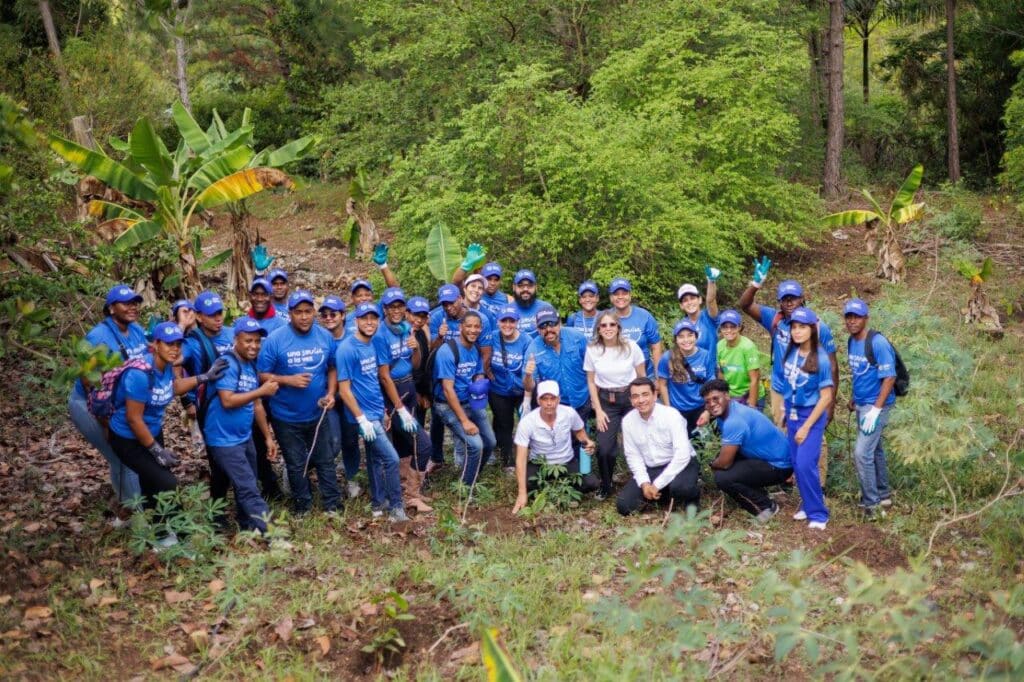
This significant action is complemented by the “Water for the Planet” programme, together with its partners The Nature Conservancy. The programme works to protect soil and forest cover in order to replenish water in high water-risk aquifers. This year in the Dominican Republic, PepsiCo had a team of volunteers reforest La Cuaba, planting 900 trees.
Local replenishment of aquifers in the water-stressed regions where it operates:
- Through the Water for the Planet programme, it replenishes 343.2 million litres of water every year in the Dominican Republic and Guatemala.
- This replenishment feeds two watersheds important to its operations: the Isabela River in the Dominican Republic and the metropolitan area in Guatemala. That is equivalent to 138 swimming pools a year.
Promoting safe access to drinking water for communities:
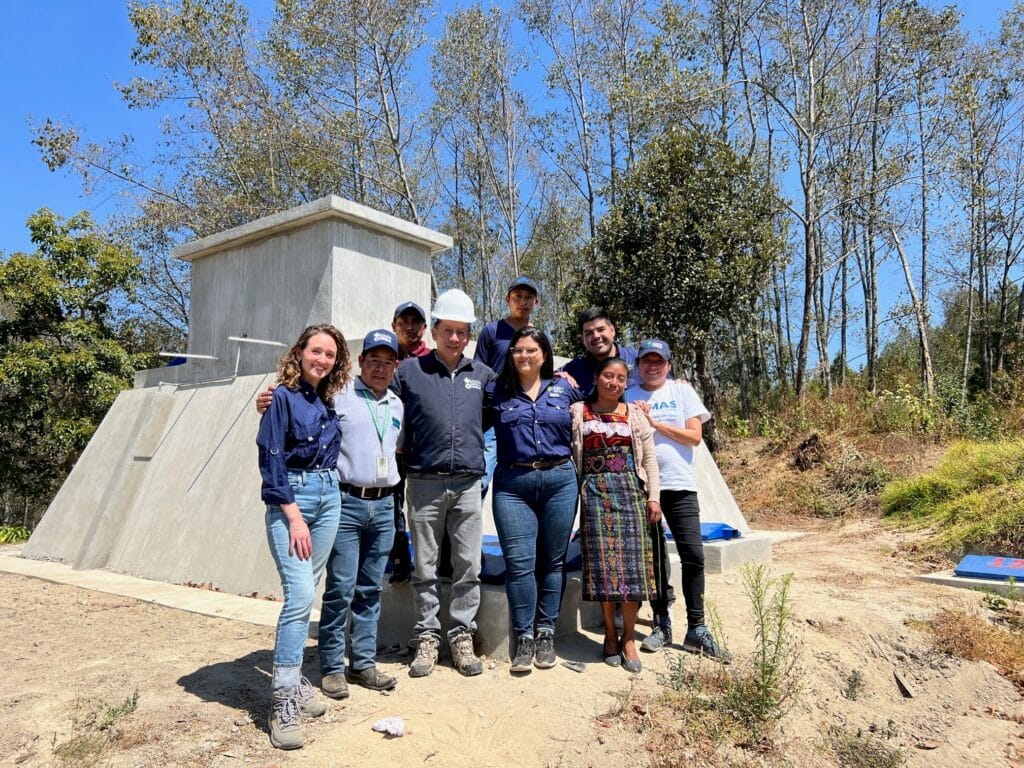
- It recognises water as a human right, and through the IDB AquaFund programme, in collaboration with the Inter-American Development Bank, the PepsiCo Foundation and Action Against Hunger, it promotes access to water, benefiting four communities in Santa Lucía Utatlán, Sololá, Guatemala.
- 343 households that previously had water only 18 days a year now have access to it 365 days a year, indirectly benefiting more than 23,000 people.
Over the last 15 years, PepsiCo and the PepsiCo Foundation have helped more than 80 million people gain access to safe drinking water through distribution, purification and conservation, investing more than $53 million in these programmes.
“We want to operate sustainably while driving positive change for people and the planet. We recognise that water is essential to life, the food system and our business. That is why we look after it and manage it to build a Positive Value Chain, taking these key actions,” said Raymundo Rodríguez, General Manager of PepsiCo Foods for the Dominican Republic and the Caribbean.
About PepsiCo Latin America
PepsiCo Latin America is a division of the global company that includes all beverage, food and snack businesses in 34 markets in the region. Our food and snacks business creates more than 80,000 jobs and has 35 production plants and more than 24,000 sales routes. The beverage business in the region operates through 13 bottlers. PepsiCo Latin America generated $9.7 billion in net revenue in 2022.
Find out more about AF Comunicación Estratégica and its clients
More stories
- Multidisciplinary care: a centralised model that speeds up the early detection of cancer
- TransUnion expands Juan Camilo Badel’s remit to strengthen its growth strategy in Central America, the Dominican Republic and Mexico TSI
- Cleveland Clinic is the first centre in Ohio to perform a nipple-sparing robotic mastectomy
- DiDi boosts connections with the Metro and Cable Car of Santo Domingo