
Seeing a urologist: an appointment that should not be put off after 40
3 minutes read
- One in eight men will develop prostate cancer, and the likelihood increases with a history in close relatives. The best way to prevent prostate cancer is early detection.
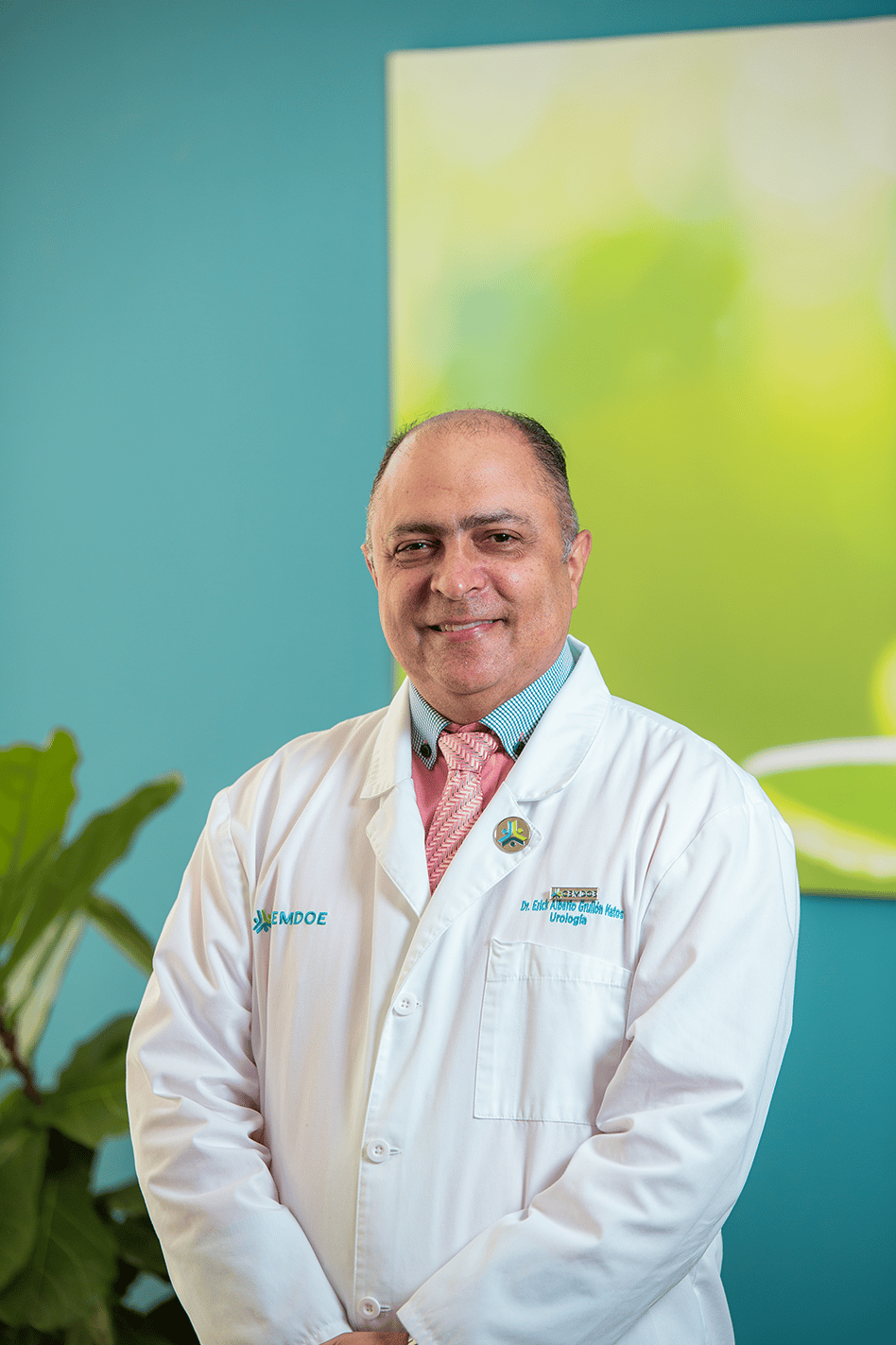
Santo Domingo. – Unlike testicular cancer, which can be self-examined, this is impossible with prostate cancer; the assessment must be carried out by a specialist, says Dr. Erick Grullón, a urologist at the Diabetes, Obesity and Specialties Medical Centre (CEMDOE).
The urologist is the specialist responsible for the genitourinary tract in both sexes. In men, they also deal with conditions affecting the genitals.
The visit involves a detailed medical history, prioritising any family history of cancer and personal medical history, followed by a complete physical examination.
In men over 40, the prostate is assessed through a digital rectal examination. The assessment is then complemented by ordering the tests and studies needed based on the findings.
The diagnostic tests carried out range from physical examination and the prostate-specific antigen (PSA) test, along with genitourinary health tests, abdominal, pelvic and prostate ultrasounds, X-rays and cystoscopies, to prostate, testicular, bladder and penile biopsies.
“It’s sensible to schedule this appointment once a year so that prostate cancer can be detected early, as one in eight men develops the disease, even more so if the patient has a history in close relatives,” explains the specialist.
The most common conditions in men treated by urologists include urinary infections, sexually transmitted diseases, prostate hyperplasia, stones in the genitourinary tract, kidneys, ureter and bladder, and erectile dysfunction.
Dr. Grullón notes that the symptoms that most often bring men to a urologist vary, with priority given to those affecting their quality of life. For example, irritative and obstructive urinary symptoms, where daily life is disrupted by having to rush to urinate and needing to get up several times to go to the toilet, as well as embarrassment caused by involuntary leakage of urine.
“Also, in cases where their relationship is affected by erectile dysfunction or premature ejaculation. In addition, patients with a history of kidney stones who are suffering the classic symptoms of this condition are regular visitors to urology clinics,” says the former president of the Dominican Society of Urology.
The doctor highlights that taboos around visiting the urologist have been breaking down thanks to awareness programmes run in recent years by the Dominican Society of Urology and healthcare providers.
Word of mouth from patients themselves has also helped, after having the assessment and finding it to be a quick and simple procedure.
He adds: “Check-ups have increased by more than 80% and are now part of patients’ health routines. Even in rural regions, where the taboo was stronger, patients are coming for their appointments. Out of every eight people, seven have had their check-up with the urologist.”
The health specialist stressed that the best way to fight prostate cancer is early detection, so that it can be cured in time.

About CEMDOE
An outpatient medical centre specialising in chronic diseases that offers a comprehensive care model focused on the safety, quality and experience of patients and their families, supported by international processes, standards and policies that ensure the success of its purpose.
CEMDOE is part of INTEGRA, the Dominican Republic’s first health ecosystem, made up of six complementary organisations pursuing the same goal: improving the population’s health in a sustainable way.
Find out more about AF comunicacion estrategica and its clients
More stories
- Multidisciplinary care: a centralised model that speeds up the early detection of cancer
- TransUnion expands Juan Camilo Badel’s remit to strengthen its growth strategy in Central America, the Dominican Republic and Mexico TSI
- Cleveland Clinic is the first centre in Ohio to perform a nipple-sparing robotic mastectomy
- DiDi boosts connections with the Metro and Cable Car of Santo Domingo