
Specialist warns that second-hand smoke is linked to respiratory problems
2 minutes read
- Inhaling other people’s smoke means breathing in harmful chemicals. The best way to avoid exposure is to stay away from areas where people smoke.

May 2024.- World No Tobacco Day is marked every 31 May. This year, under the theme “Protecting children from tobacco industry interference”, it calls for an end to targeting this population group with tobacco products through various channels, including social media, to which the vast majority have access.
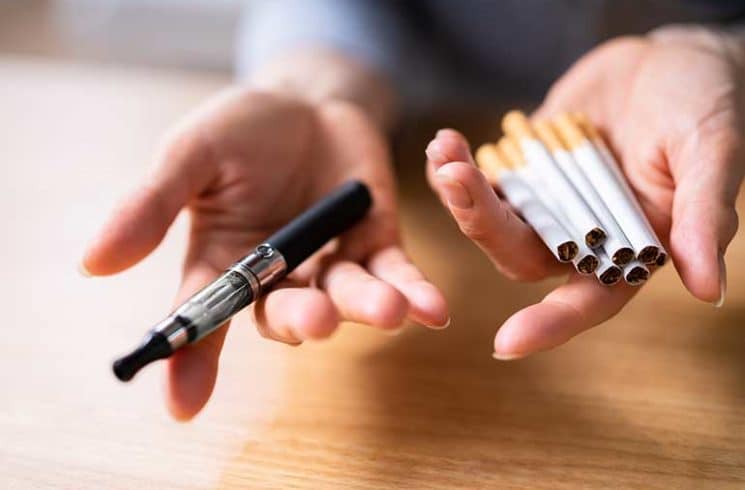
On tobacco use among young people and the risks it poses to children, Dr. Humberto Choi, a pulmonologist and critical care specialist at Cleveland Clinic, says this segment of the population is now more likely to be exposed to tobacco in various forms, such as cigarettes or e-cigarettes, and if someone smokes at home, they are more likely to start smoking too.
This day, declared by the World Health Organization (WHO) to draw attention to the tobacco epidemic and its lethal effects, is also a call to guard not only against smoking but also against breathing in the smoke of smokers around us.
Second-hand smoke is inhaled when you are near sources of tobacco smoke, which is also known as passive smoking. For example, at parties or public gatherings.
“When someone is exposed to second-hand smoke, they can also be affected by the harmful chemicals in tobacco smoke; the health impacts are associated with the development of lung cancer and cardiovascular disease,” says Dr. Choi.
According to WHO data, there are 1.3 billion tobacco users worldwide. Around 8 million people die every year (active smokers and smokers exposed to second-hand smoke), including 1 million in the Americas.

Choi adds that “children are at particular risk because they touch or come close to tobacco chemicals, resulting in third-hand exposure, which occurs through contact with tobacco residues left on surfaces and objects such as mobile phones or walls.”
Regarding this year’s focus, WHO data indicate that children and adolescents who use e-cigarettes are at least twice as likely to smoke cigarettes later in life.
“The risks associated with e-cigarettes are different. I wouldn’t say they are necessarily lower. However, we have seen that they are associated with strong nicotine dependence or addiction, and they can cause anything from acute lung inflammation to dental problems and other health complications,” says the Cleveland Clinic specialist.
Dr. Choi explains that it is necessary to seek medical help to treat nicotine dependence. Young people sometimes use tobacco to treat the symptoms of a mental health problem, such as anxiety or depression; this can be difficult to recognise, and it is obviously very important to try to find out what is going on.
More stories
- Multidisciplinary care: a centralised model that speeds up the early detection of cancer
- TransUnion expands Juan Camilo Badel’s remit to strengthen its growth strategy in Central America, the Dominican Republic and Mexico TSI
- Cleveland Clinic is the first centre in Ohio to perform a nipple-sparing robotic mastectomy
- DiDi boosts connections with the Metro and Cable Car of Santo Domingo