
Thyroid function is key to overall health, says Cleveland Clinic specialist
3 minutes read
- Endocrinologist Ossama Lashin, of Cleveland Clinic, explains how hypothyroidism and hyperthyroidism affect the body and why it matters to detect them in time.
Cleveland. The thyroid plays a decisive role in the body’s balance, since its hormones regulate essential processes such as the use of energy, body temperature and the functioning of the heart, the brain and the muscles.
Dr Ossama Lashin, an endocrinologist at Cleveland Clinic, explains that disorders of this gland can affect multiple body systems, which makes looking after it and detecting problems in good time essential.
Among the most common conditions is hypothyroidism, in which the thyroid does not produce enough hormone, with Hashimoto’s disease the most frequent cause. The disorder can show up as tiredness, weight gain, constipation, dry skin, feeling cold, low mood and menstrual changes, which is why identifying it early matters.
Hyperthyroidism is another significant disorder, characterised by excessive production of thyroid hormone. It can be associated with Graves’ disease, toxic thyroid nodules or inflammatory processes such as thyroiditis. Its symptoms include palpitations, weight loss despite a normal appetite, nervousness, tremors, feeling hot, sweating, more frequent bowel movements and difficulty sleeping.
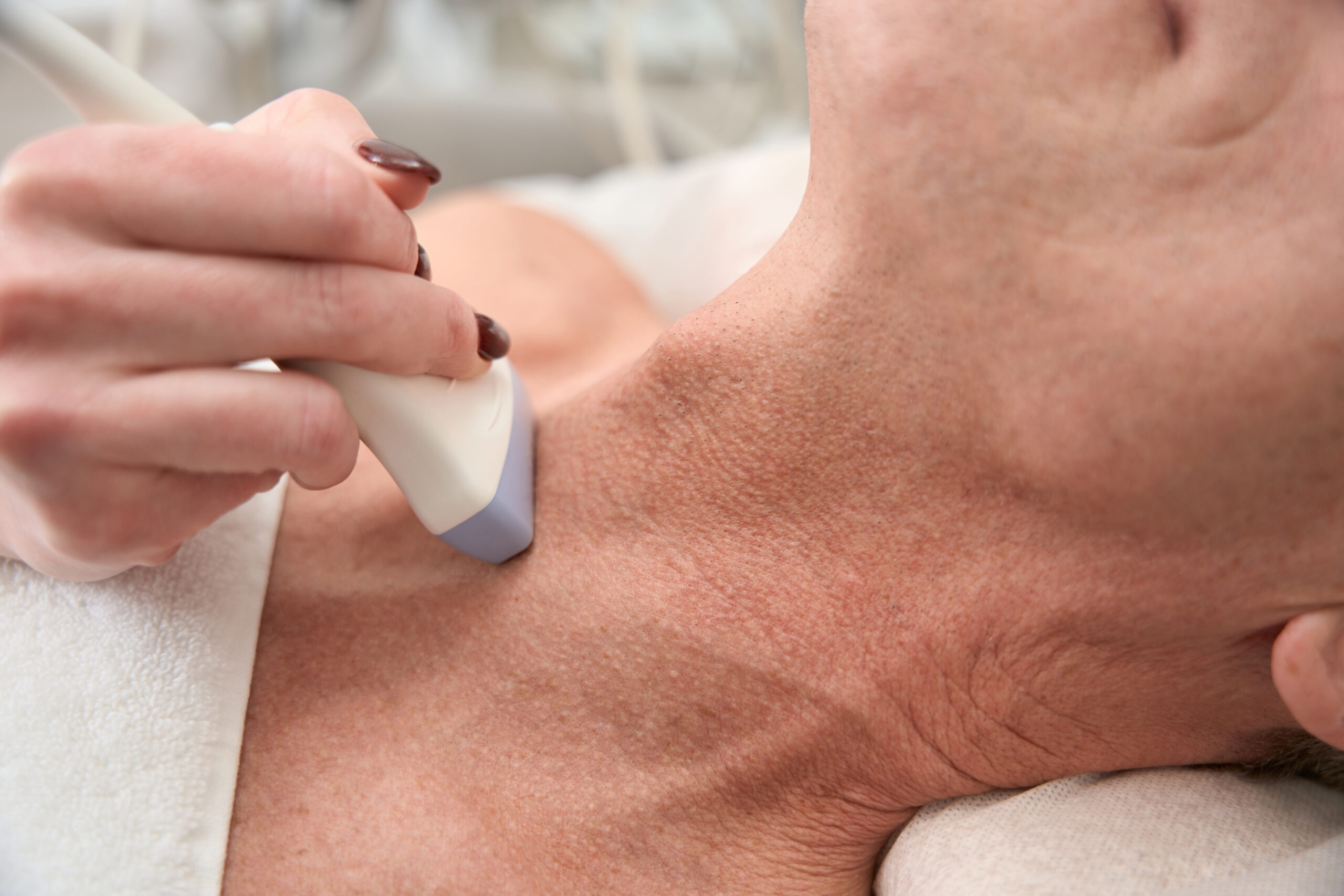
The Cleveland Clinic endocrinologist notes that thyroid nodules are common findings, especially with the use of ultrasound, and that in most cases they are not cancerous. He also explains that thyroiditis is an inflammation of the gland that can appear after childbirth, with temporary changes in thyroid function before a gradual recovery.
According to Dr Lashin, women, older adults and people with a family history of thyroid disease or other autoimmune conditions face a higher risk of developing these disorders. Other factors include inadequate iodine intake, exposure to radiation in the head or neck and the use of certain medicines.
On prevention and detection, the specialist clarifies that autoimmune thyroid diseases cannot be completely prevented, but it is possible to reduce risks and support early detection. Using iodised salt, a diet with foods rich in iodine and seeing a doctor when symptoms or risk factors appear are key measures. Routine testing is not recommended for people without symptoms, but you should see a doctor if you notice a lump in the neck, persistent difficulty swallowing or changes in the voice.
About Cleveland Clinic
Cleveland Clinic is a non-profit multispecialty academic medical centre that integrates clinical and hospital care with research and education. Located in Cleveland, Ohio, it was founded in 1921 by four renowned physicians with a vision of providing outstanding patient care built on the principles of cooperation, compassion and innovation. Cleveland Clinic has pioneered many medical breakthroughs, including coronary artery bypass surgery and the first face transplant in the United States. U.S. News & World Report consistently names Cleveland Clinic as one of the nation’s best hospitals in its annual “America’s Best Hospitals” survey. Among Cleveland Clinic’s 70,800 employees worldwide are more than 4,660 salaried physicians and researchers, and 18,500 registered nurses and advanced practice providers, representing 140 medical specialities and subspecialities. Cleveland Clinic is a 6,500-bed health system that includes a 173-acre main campus near downtown Cleveland, 19 hospitals, more than 220 outpatient centres and locations in southeast Florida; Las Vegas, Nevada; Toronto, Canada; Abu Dhabi, United Arab Emirates; and London, England. In 2020, there were a total of 8.7 million outpatient visits, 273,000 hospital admissions and observations and 217,000 surgical cases across the Cleveland Clinic health system. Patients came for treatment from every state and 185 countries.
More stories
- Multidisciplinary care: a centralised model that speeds up the early detection of cancer
- TransUnion expands Juan Camilo Badel’s remit to strengthen its growth strategy in Central America, the Dominican Republic and Mexico TSI
- Cleveland Clinic is the first centre in Ohio to perform a nipple-sparing robotic mastectomy
- DiDi boosts connections with the Metro and Cable Car of Santo Domingo