
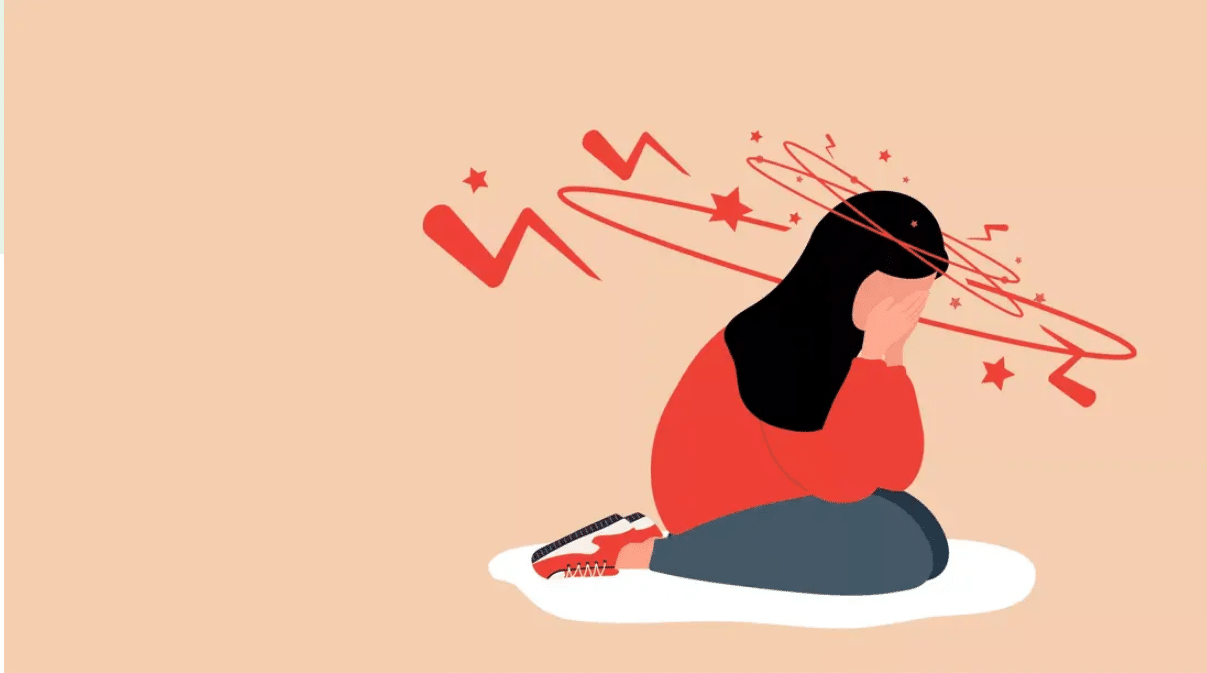
World Health Day: the benefits of looking after your mental health
3 minutes read
- You may not always realise it, but your mental health has as big an impact on your well-being as your physical health.
April 2024.- World Health Day is marked every 7 April. In 2024, under the theme “My health, my right”, it reminds us of the fundamental right we all have to access quality health services, education and information on well-being.
According to data from the Dominican Republic’s Ministry of Public Health, its “Look after your mental health” contact centre received 540 calls from people seeking psychological support during the first weeks of the year.
Since it began providing services in March 2023, the line has helped 7,241 people, with anxiety the main reason for calling; the next most common was callers reporting sadness, distress or insomnia.
“Unfortunately, mental illness is still stigmatised in our society, and that stops people from seeking the help they need,” says psychiatrist Karen Jacobs of Cleveland Clinic.
The first step towards overall well-being is to become aware of it and talk to a professional. Whether you feel more anxious than usual or feel that depression is taking its toll, talking can help you create a plan to move forward. And there are many ways to look after your mental health every day.
“Start by being honest,” she advises. “First with yourself and then with your healthcare professional.” Dr. Jacobs explains why it is as important to look after your mental health as your physical health.
Mental health refers to your overall psychological well-being and the state of your emotional, cognitive and social functioning. It affects many aspects of our lives, from our relationships with others to what makes us feel fulfilled and how we face life’s challenges.
Some of the factors it can affect are:
- Self-esteem and self-worth.
- Psychological functioning, as it is linked to memory and problem-solving.
- The way you socialise with others.
- Your physical well-being.
- Whether or not you have a mental health disorder, such as anxiety or depression.
Mental health symptoms can often be “invisible” to the world around you, or even to yourself. That is why it is important to recognise when you feel your mental health is suffering.
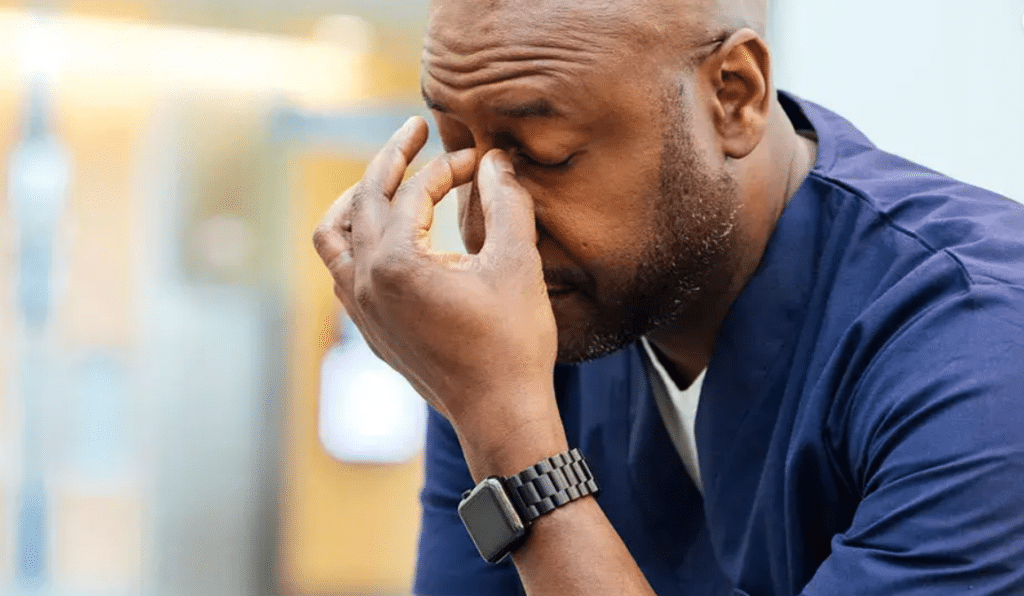
These are some of the benefits of looking after your mental health:
It helps build your resilience
Mental health can greatly influence how we react to difficult times, and this is where building resilience comes in. When you are resilient, you are better prepared to face challenges, setbacks and life transitions while maintaining a sense of balance and well-being.
You can build positive relationships
Mental health is an important part of how we socialise and react to those around us. Good mental health can help you develop positive, meaningful relationships with others. This relates to how we communicate and talk with others, how we set and maintain healthy boundaries and how we empathise with others.
Keep a good self-image
It’s true that we all feel bad about ourselves from time to time. But the way we see ourselves is an important factor in our mental health, specifically in our self-esteem and self-worth. Good mental health can help you recognise your strengths and limitations, have confidence in your own abilities and maintain a healthy level of self-esteem.
Overall well-being
We all have many feelings, and learning to manage them is an important part of mental health. This means finding the balance between being able to share and acknowledge your emotions and not letting them take over your life. This can include things like managing stress, coping with difficult situations and keeping a positive attitude in hard times.
More stories
- Multidisciplinary care: a centralised model that speeds up the early detection of cancer
- TransUnion expands Juan Camilo Badel’s remit to strengthen its growth strategy in Central America, the Dominican Republic and Mexico TSI
- Cleveland Clinic is the first centre in Ohio to perform a nipple-sparing robotic mastectomy
- DiDi boosts connections with the Metro and Cable Car of Santo Domingo