
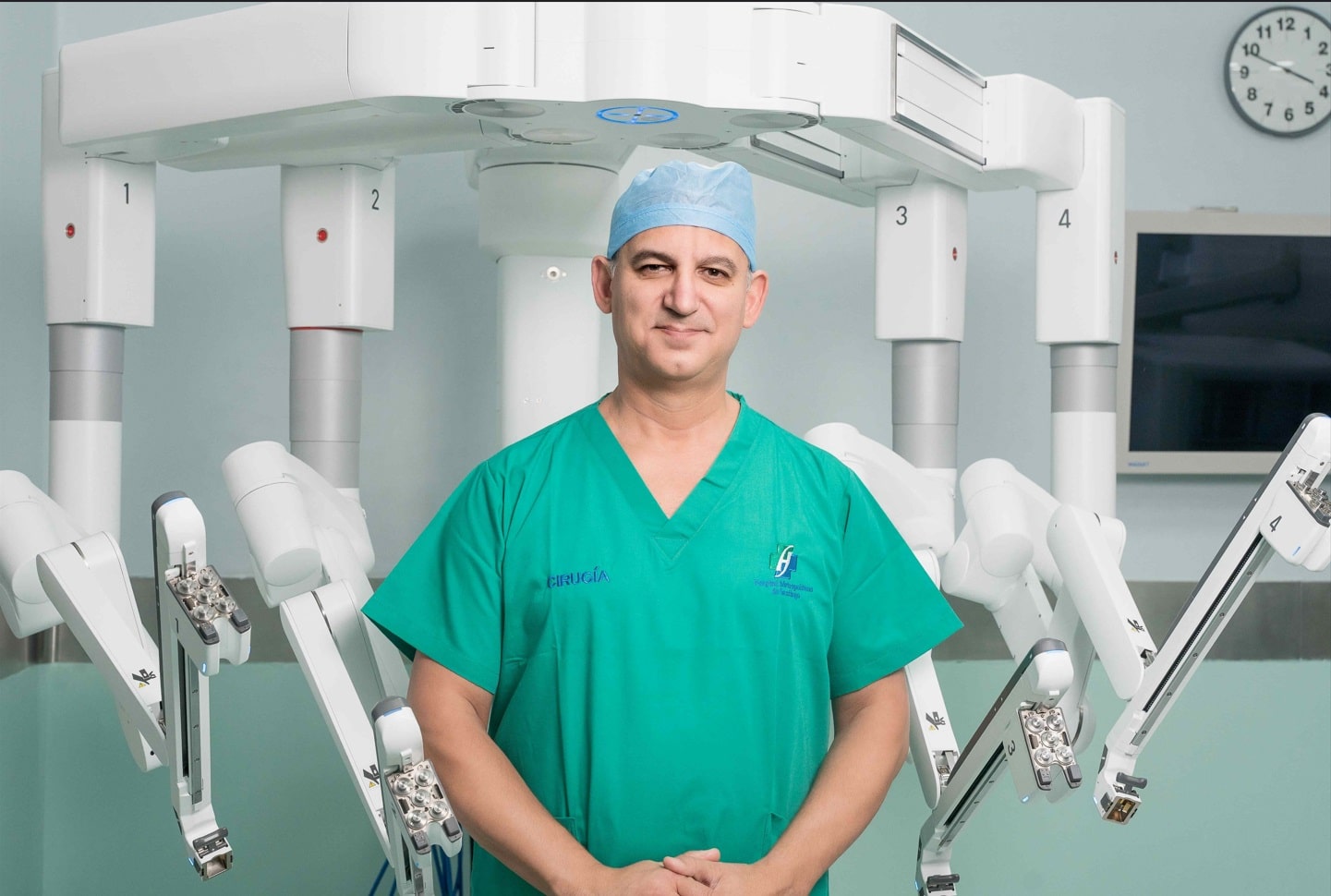
Urologist says men hold false beliefs about prostate cancer
4 minutes read
- Dr. Samadi says not everyone affected develops symptoms, and the signs can vary from man to man.
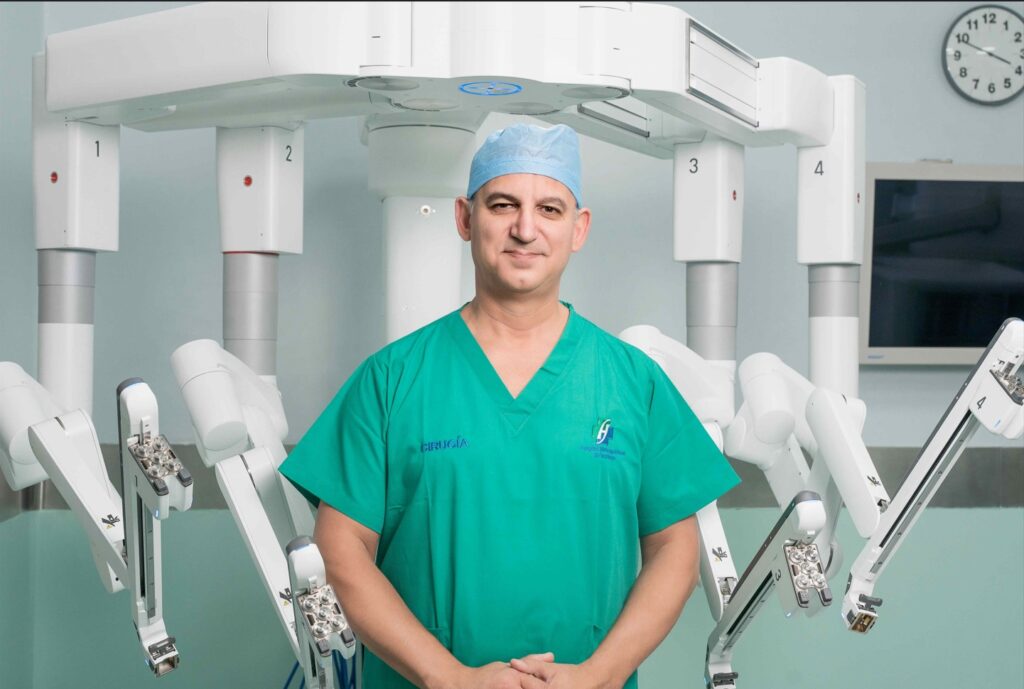
February 2023.- There are a number of myths about prostate cancer that arise from lack of knowledge, misinformation spread online and popular beliefs that many people share. When men don’t know the truth about prostate cancer, they don’t know what to look out for, what to do or who to turn to for advice and help, says urologist David Samadi, a surgeon specialising in prostate cancer.
Misconceptions about prostate cancer can even determine who survives and who doesn’t, says the author of the book Hablemos de Hombres.
Myth: Only old men get prostate cancer
As the saying goes, live long enough and you’ll get prostate cancer. While it is true that the disease occurs mostly in older men (65% of the approximately 165,000 cases a year are in men aged sixty-five and over), and that the average age of those affected is sixty-six, the fact is that 35% of those diagnosed (more than 57,000 men a year) are below that age.
“Although it is very unusual in men under forty, no man under fifty is immune to prostate cancer. Unfortunately, in young men it tends to be more aggressive and lethal,” warned the specialist.
Myth: Vasectomy causes prostate cancer
Dr. Samadi, director of the Samadi-Homs-Robotic Institute at Hospital Metropolitano de Santiago (HOMS), also explains in the book that it was once believed that vasectomy (the surgical procedure to sterilise men so they cannot have more children) increased the risk of prostate cancer, but science has since disproved this. According to research, men who have had a vasectomy are not at greater risk of developing prostate cancer, and vasectomies have no link whatsoever to cancer.
Myth: If I have no symptoms, I don’t have prostate cancer
We all want to believe that having no symptoms is a sure sign of good health. However, because it often has no symptoms, prostate cancer is a deceptive disease, says the urologic oncologist and robotic surgery expert.
Not everyone affected develops symptoms, and the signs can vary between individuals. The urinary symptoms of prostate cancer sometimes resemble those of benign prostatic hyperplasia (BPH), but to tell them apart, if you have burning or pain when urinating, difficulty urinating or starting and stopping the flow, or more frequent urges to urinate at night, it is necessary to see a urologist.
Other conditions may include urinary incontinence, a weaker or slower urine stream, blood in the urine or semen, erectile dysfunction, and swelling in the legs or pelvic area. Likewise, you should talk to a specialist if you have numbness, pain or stiffness in the lower back, hips or upper thighs, or bone pain that doesn’t go away or causes fractures.
Myth: Having sex increases the risk of prostate cancer
This belief is completely false. There was a time when frequent ejaculation and prostate cancer were thought to be linked, but science has debunked this myth and, on the contrary, has shown that men who report frequent ejaculation -twenty-one times a month or more- appear less likely to develop this type of cancer. It is not clear why frequent ejaculation would have this protective effect, but it is thought that carcinogenic or harmful substances build up in the prostate and are flushed out during ejaculation.
Myth: Prostate cancer treatment always causes urinary incontinence and erectile dysfunction
Dr. Samadi, who is recognised as one of the leading experts in robotic oncology in the Americas and has performed more than 10,000 surgeries with this technique, says it is true that patients may experience erectile dysfunction and urinary incontinence after prostate cancer surgery and/or radiotherapy. However, it does not happen to everyone: it depends on the patient’s age and physical condition at the time of diagnosis and during treatment.

“It is important for men with prostate cancer to do their homework and choose a qualified, trained doctor to decide on their treatment plan. They should ask their doctor all kinds of questions: the outcomes of other prostate cancer patients they have treated, how many surgeries they have performed, recommended treatment options or healthy habits to adopt,” advises Samadi.
For a free phone consultation with Dr. David Samadi, call 809-399-0569, at the Samadi-HOMS Robotic Oncology Institute in Santiago. You can also find educational content at saludmasculina.do
More stories
- Multidisciplinary care: a centralised model that speeds up the early detection of cancer
- TransUnion expands Juan Camilo Badel’s remit to strengthen its growth strategy in Central America, the Dominican Republic and Mexico TSI
- Cleveland Clinic is the first centre in Ohio to perform a nipple-sparing robotic mastectomy
- DiDi boosts connections with the Metro and Cable Car of Santo Domingo